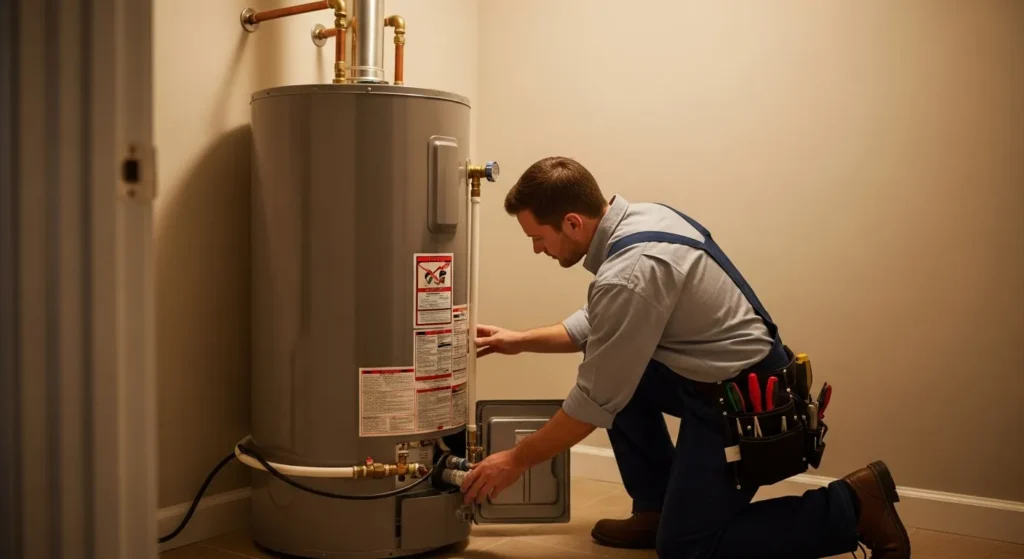




A water heater making noise is more than just an annoyance. Those unexpected pops, rumbles, bangs, and hums are your water heater telling you something is wrong. Banging noises in particular could also indicate water hammer, a pressure-related issue that affects your entire plumbing system. Whether it is a minor maintenance issue like sediment buildup or a sign that your unit is nearing the end of its lifespan, identifying the source of the noise early can save you from costly emergency repairs or a complete system failure.
In this guide, the team at 911 Drain Lines and Plumbing breaks down the most common water heater noises, what causes them, how to fix them, and when it is time to call a licensed professional.
Contact 911 Drain Lines and Plumbing for 24/7 water heater service. Call (714) 909-1723 today for fast, reliable repairs.
Why Is Your Water Heater Making a Popping Noise?
A water heater popping noise is one of the most common complaints homeowners report. The cause is almost always sediment buildup at the bottom of the tank.
Over time, minerals like calcium and magnesium from hard water settle at the bottom of the tank. When the burner or heating element heats the water, steam bubbles form beneath the sediment layer and burst through it. That is what creates the popping or crackling sound.
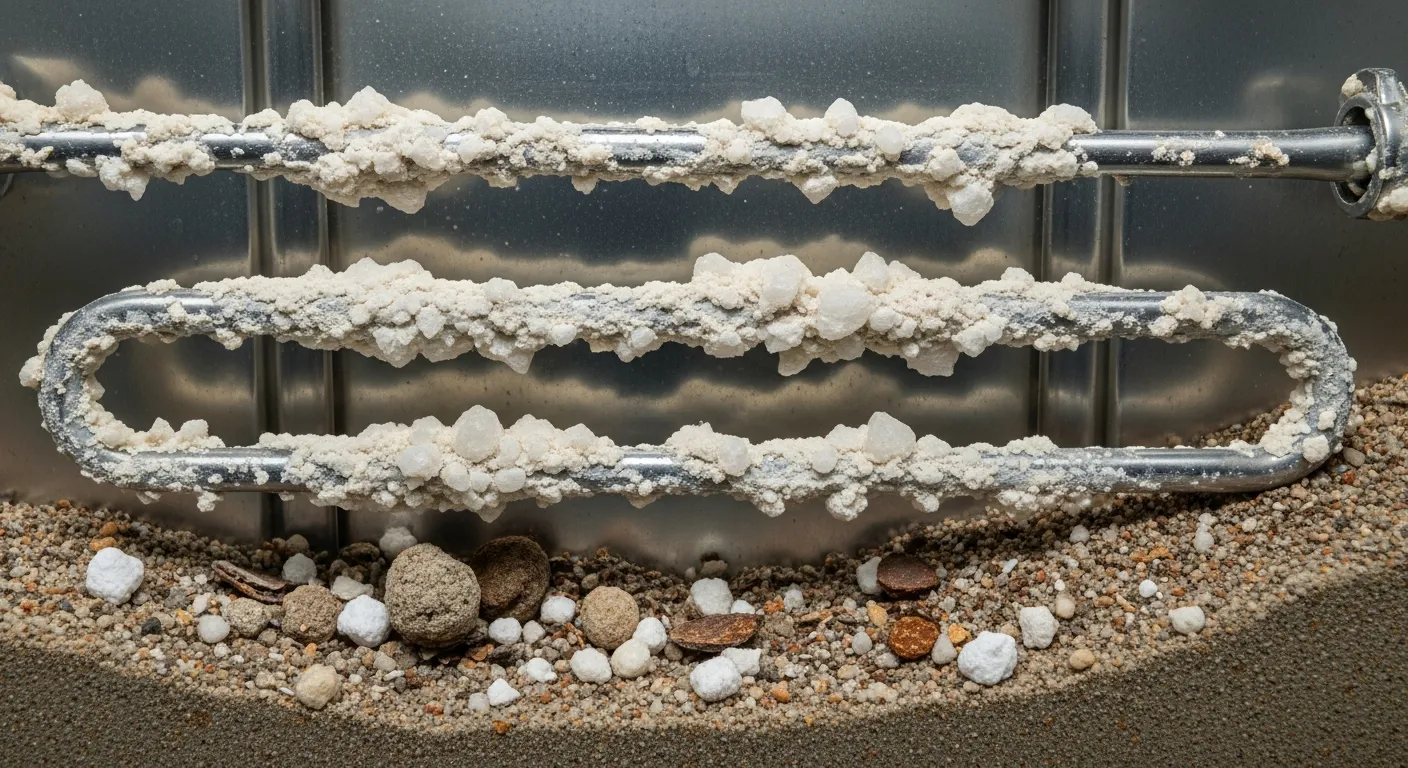
Hard water is especially common in Orange County and the Inland Empire, which means local homeowners are more likely to experience this problem. If you hear a water heater popping noise, it typically means the tank needs to be flushed to remove sediment.
How to Fix It
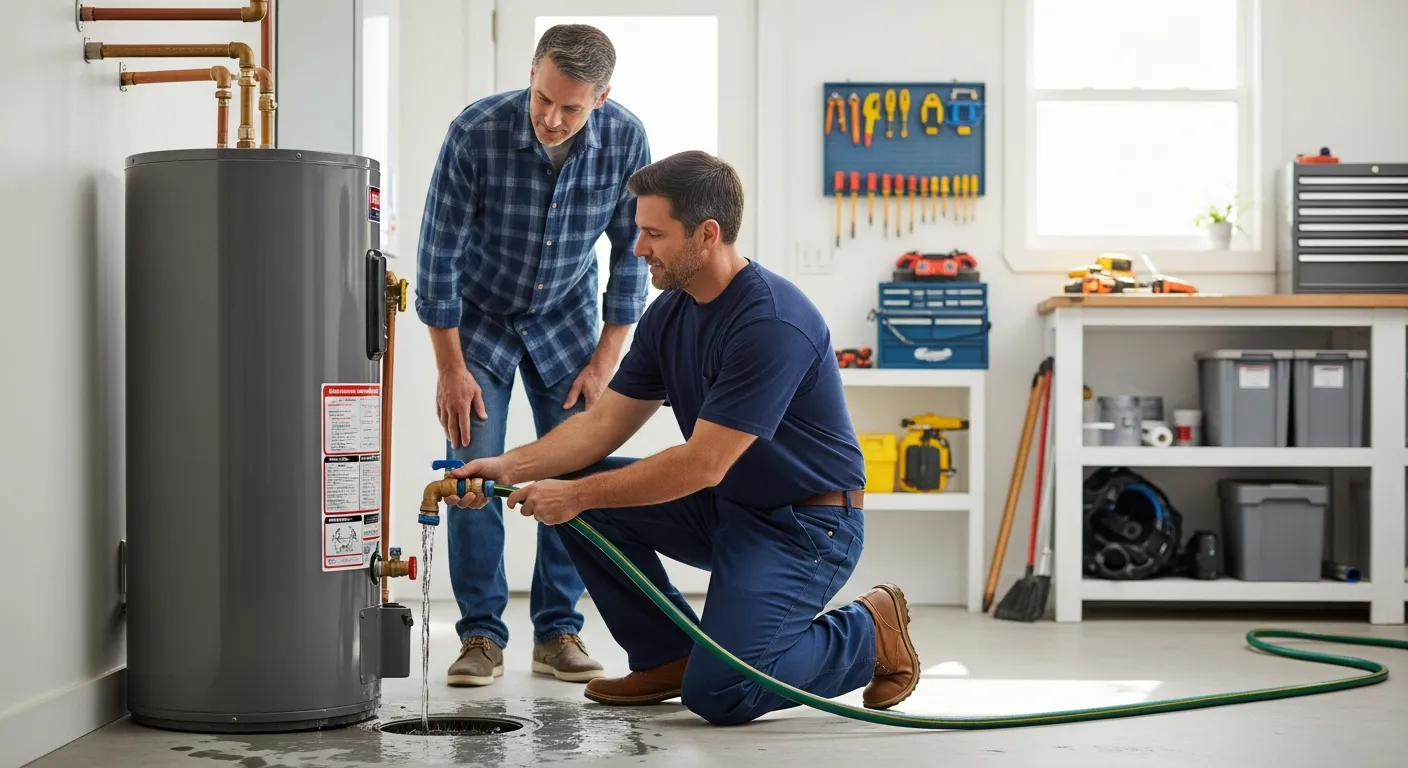
- Flush the tank. Drain the water heater completely to wash out sediment. This should be done at least once a year as part of routine water heater maintenance.
- Install a water softener. If you have particularly hard water, a whole-house water softener reduces mineral deposits significantly.
- Call a pro. If flushing does not resolve the noise, the sediment layer may be too thick for a DIY flush, and a professional descaling is needed.
What Causes Water Heater Rumbling?
Water heater rumbling is closely related to popping, but the sound is deeper and more sustained. It usually indicates a more severe case of sediment accumulation.
When the sediment layer becomes thick enough, it traps water underneath. As that trapped water heats and turns to steam, the tank produces a low, continuous rumble. This is a more serious sign than occasional popping because it means your water heater is working harder than it should, which reduces efficiency and accelerates wear on the tank lining.
How to Fix It
- Professional flush and descale. A thick sediment layer may not respond to a standard drain-and-flush. A technician can use specialized tools to break up and remove the buildup.
- Evaluate the unit’s age. If your water heater is more than 8 to 12 years old and rumbling persistently, understanding how long a water heater lasts helps determine if it may be more cost-effective to replace the unit rather than continue repairing it.
Why Does Your Water Heater Make a Ticking or Clicking Sound?
Ticking or clicking noises from a water heater are usually caused by thermal expansion and contraction. As the tank heats up, the metal expands slightly. When the heating cycle ends and the tank begins to cool, the metal contracts. These small movements create ticking or clicking sounds.
This type of noise is generally harmless and does not indicate a malfunction. However, it can also come from:
- Heat trap nipples on the inlet and outlet pipes. These one-way valves reduce heat loss but sometimes create a ticking sound as water flows through them.
- Loose pipe straps near the water heater that vibrate as the plumbing shifts from temperature changes.
How to Fix It
- Tighten pipe straps. Securing any loose connections near the water heater can eliminate the sound.
- Replace heat trap nipples. If the ticking is constant during water flow, replacing the heat traps with standard dielectric nipples usually resolves it.
- No action needed if the sound is mild and only occurs during heating cycles. This is normal thermal behavior.
What Does a Humming or Buzzing Water Heater Mean?
A humming or buzzing noise is most common in electric water heaters. It happens when the heating element vibrates as water flows around it. The element is secured at one end only, so it can oscillate slightly when activated.
While not dangerous, persistent buzzing can become irritating and may indicate the element is beginning to loosen from its mount.
How to Fix It
- Tighten the heating element. A plumber can use an element wrench to snug the element back into its housing.
- Replace a worn element. If tightening does not help, the element may be corroded or warped and needs replacement.
Why Is Your Water Heater Making a Hammering or Banging Noise?
Loud banging or hammering sounds, often called water hammer, are caused by high water pressure or sudden changes in water flow. When a valve shuts quickly (such as a washing machine or dishwasher valve), the momentum of the moving water slams against the closed valve, creating a shockwave that travels through the pipes.
Water hammer can damage pipes, fittings, and even the water heater itself over time. It is not a noise you should ignore.
How to Fix It
- Install water hammer arrestors. These small devices absorb the shockwave and prevent banging.
- Check water pressure. Home water pressure should be between 40 and 80 PSI. If yours exceeds that range, a pressure-reducing valve (PRV) should be installed or adjusted.
- Secure loose pipes. Pipes that are not properly supported can amplify water hammer sounds throughout the house.
What Causes a Rattling Noise in Your Water Heater?
Rattling sounds typically point to loose components inside or near the water heater. Common culprits include:
- A loose drain valve
- Unsecured access panels
- A broken or loose dip tube inside the tank
- Debris in the tank from a deteriorating anode rod
A broken dip tube is especially problematic because the fragments can clog fixtures and reduce hot water delivery to your faucets and showers. In some cases, a broken dip tube can leave you with no hot water entirely.
How to Fix It
- Inspect external components. Check that drain valves, access panels, and pipe fittings are secure.
- Replace the dip tube or anode rod. If the rattling is internal, a technician needs to inspect and replace any failing components.
What Are the Most Common Water Heater Noises and How Urgent Are They?
| Noise Type | Most Likely Cause | Recommended Fix | Urgency Level |
|---|---|---|---|
| Popping / Crackling | Sediment buildup | Flush the tank annually | Moderate |
| Rumbling | Heavy sediment accumulation | Professional descale or replacement | High |
| Ticking / Clicking | Thermal expansion, heat traps | Tighten straps or replace nipples | Low |
| Humming / Buzzing | Loose heating element (electric) | Tighten or replace the element | Low to Moderate |
| Banging / Hammering | High water pressure, water hammer | Install arrestors or adjust PRV | High |
| Rattling | Loose parts, broken dip tube | Secure parts or replace dip tube | Moderate to High |
Should You Flush Your Water Heater or Replace It?
Not every noise means you need a new water heater. Here is a simple rule of thumb:
- Flush if the unit is under 8 years old, the noise started recently, and a standard flush resolves it. Annual flushing is the single best thing you can do to extend your water heater’s life.
- Replace if the unit is over 10 years old, rumbling or popping persists after flushing, you notice water heater leaking around the base, or your hot water output has dropped significantly.
If you are unsure, a licensed plumber can inspect the unit and give you an honest recommendation. At 911 Drain Lines and Plumbing, we never push a replacement if a repair will solve the problem.
When Should You Call a Professional for a Noisy Water Heater?
While some water heater noises are harmless, others require immediate attention. Call a licensed plumber if:
- The noise is getting louder or more frequent over time
- You see water pooling around the base of the unit
- Hot water temperature is inconsistent or significantly reduced
- The T&P (temperature and pressure) relief valve is discharging water
- You smell rotten eggs near the unit (possible anode rod failure or gas leak)
- The water heater pilot light keeps going out or will not stay lit
- The water heater is not working at all
Ignoring these warning signs can lead to tank failure, flooding, or even a safety hazard. A professional diagnosis is always the safest path forward.
Schedule a water heater inspection with 911 Drain Lines and Plumbing today. Call (714) 909-1723 for same-day service across Orange County and the Inland Empire.
Frequently Asked Questions
Is a noisy water heater dangerous?
Most water heater noises are not immediately dangerous, but they should not be ignored. Popping and rumbling from sediment buildup reduce efficiency and can lead to premature tank failure. Banging from water hammer can damage pipes over time. If you hear unusual sounds combined with leaking, reduced hot water, or a rotten egg smell, contact a licensed plumber right away.
How often should you flush a water heater to prevent noise?
You should flush your water heater at least once per year. In areas with hard water, like Orange County and the Inland Empire, flushing every six months is recommended. Regular flushing removes sediment that causes popping, crackling, and rumbling sounds.
Can sediment buildup in a water heater cause it to fail?
Yes. A thick sediment layer forces the burner or heating element to work harder, overheating the tank bottom. Over time, this weakens the tank lining and can lead to cracks, leaks, and complete failure. Sediment buildup is the leading cause of premature water heater replacement.
Why does my water heater make noise only at night?
Water heaters are often louder at night simply because your home is quieter, making the sounds more noticeable. The noises themselves, such as popping from sediment or ticking from thermal expansion, happen throughout the day. If the noise is new or getting worse, schedule an inspection regardless of when you hear it.
How much does it cost to fix a noisy water heater?
A standard tank flush typically costs between $80 and $200. Heating element replacement runs $150 to $350. If the tank is severely corroded or failing, a full water heater replacement may range from $1,200 to $3,500 depending on the unit type and installation complexity. Contact us for a specific estimate.