



If you have ever heard a loud banging or thumping sound coming from your pipes when you turn off a faucet or when your washing machine stops filling, you are likely dealing with water hammer. This common plumbing issue affects thousands of homeowners across Orange County and the Inland Empire. While the noise itself is startling, the real danger lies in what water hammer can do to your pipes, fittings, and appliances over time. Left unaddressed, water hammer can cause joint failures, burst pipes, and damage to water-connected appliances.
In this guide, we will explain exactly what causes water hammer, how to diagnose it, and the best ways to fix it, whether you choose a DIY approach or hire a professional plumber. We will also cover when water hammer signals a bigger plumbing problem that needs expert attention.
Contact 911 Drain Lines and Plumbing or call (714) 909-1911 for fast plumbing service.
What Is Water Hammer and Why Does It Happen?
Water hammer, also known as hydraulic shock, occurs when water flowing through your pipes is suddenly forced to stop or change direction. When you quickly shut off a faucet, valve, or appliance, the momentum of the moving water creates a shockwave that travels through your plumbing system. That shockwave is what produces the loud banging, clanking, or hammering noise you hear inside your walls.
Think of it this way: water is heavy and it moves fast through your pipes. When you slam a valve shut, all that energy has to go somewhere. It rebounds off the closed valve and sends a pressure spike rippling back through the pipes. This pressure spike can reach several times the normal operating pressure of your plumbing system, which is why it can cause real damage over time.
Water hammer is more common in homes with high water pressure, long pipe runs, or older plumbing systems that lack modern protective devices. It can also develop in homes where air chambers have become waterlogged, which we will discuss below.
What Are the Most Common Causes of Water Hammer?
Understanding the root cause of water hammer in your home is the first step toward fixing it. Here are the most frequent culprits:
High Water Pressure
If your home’s water pressure exceeds 80 PSI, you are at a much higher risk for water hammer. Municipal water systems sometimes deliver pressure well above what residential plumbing is designed to handle. High pressure means more kinetic energy in the flowing water, which translates to stronger shockwaves when a valve closes. You can check your water pressure with an inexpensive gauge that threads onto any hose bib. If you notice low water pressure in your house, the problem may be different, but fluctuating pressure can also contribute to hammer events.
Quick-Closing Valves and Appliances
Modern appliances like dishwashers, washing machines, and ice makers use solenoid valves that snap shut almost instantly. Unlike the gradual turn of a faucet handle, these electromagnetic valves go from fully open to fully closed in a fraction of a second. That sudden stoppage is one of the most common triggers for water hammer in today’s homes.
Waterlogged Air Chambers
Many older homes have vertical pipe extensions called air chambers installed near fixtures. These short, capped pipes are designed to hold a pocket of air that acts as a cushion when water flow stops suddenly. Over time, the air in these chambers gets absorbed into the water, leaving them completely filled with water and unable to absorb shockwaves. When this happens, water hammer returns.
Loose or Improperly Secured Pipes
Pipes that are not properly strapped or secured to framing members will move and bang against walls, joists, and other surfaces when pressure surges occur. While this does not cause water hammer directly, it amplifies the noise and can accelerate wear on pipe joints and fittings.
Undersized or Corroded Pipes
Pipes that are too narrow for the water demand they serve, or pipes that have built up internal corrosion and mineral deposits, create restricted flow conditions. When water moving through a restricted section suddenly stops, the pressure spike is more severe than it would be in properly sized, clean pipes.
How Can Water Hammer Damage Your Home?
Water hammer is more than just an annoying noise. If left unchecked, the repeated pressure spikes can cause serious damage to your plumbing system and home:
- Pipe joint failures: The repeated stress of pressure surges can loosen threaded fittings, solder joints, and push-fit connections, leading to leaks inside walls, ceilings, and floors.
- Burst pipes: In extreme cases, the pressure spike from water hammer can exceed the rated capacity of your pipes, causing a burst pipe that results in flooding and water damage.
- Appliance damage: Washing machines, dishwashers, and water heaters are not designed to absorb repeated hydraulic shocks. Water hammer can shorten the lifespan of these expensive appliances by damaging their internal valves and hoses.
- Water heater stress: Your water heater’s connections and internal components take a beating from pressure surges, potentially leading to premature failure or leaks.
- Pipe erosion: Repeated shockwaves can accelerate internal pipe erosion, especially at bends and tees where the pressure wave changes direction.
How Do You Diagnose Water Hammer in Your Plumbing?
Diagnosing water hammer is usually straightforward, but it helps to be systematic about it so you can pinpoint the cause and choose the right fix:
- Listen for the sound: Water hammer typically produces a distinct banging or thumping noise immediately after a valve closes. It may happen when you turn off a faucet quickly, when your washing machine shifts cycles, or when your dishwasher fills and stops.
- Test your water pressure: Attach a pressure gauge to an outdoor hose bib and check the reading. Normal residential water pressure should be between 40 and 80 PSI. Anything above 80 PSI is too high and likely contributing to water hammer.
- Check your pipe strapping: Look in accessible areas like basements, crawl spaces, and utility rooms. If pipes are hanging loose or touching other surfaces without cushioning, they will amplify hammer noise.
- Identify the trigger: Note which fixtures or appliances cause the banging. If it only happens with specific appliances, the fix may be targeted. If it happens throughout the house, you likely need a system-wide solution.
- Inspect air chambers: If your home has air chambers (vertical stub-outs near fixtures), they may need to be recharged with air. We will cover how to do this below.
If you are unsure about the diagnosis or suspect the problem is more complex, a professional plumber with residential plumbing experience can perform a thorough assessment including pressure testing and pipe inspection.
What Are the Best Ways to Fix Water Hammer?
The right fix depends on the cause. Here are the most effective solutions, ranked from simplest to most involved:
Recharge Your Air Chambers
If your home has air chambers that have become waterlogged, you can recharge them by draining the entire plumbing system. First, turn off the water to your house at the main shutoff valve. Then open all faucets (both hot and cold) starting from the highest floor and working down. Let the water drain completely. Close all faucets, turn the water back on, and let the system refill. This restores the air pocket in each chamber.
Install Water Hammer Arrestors
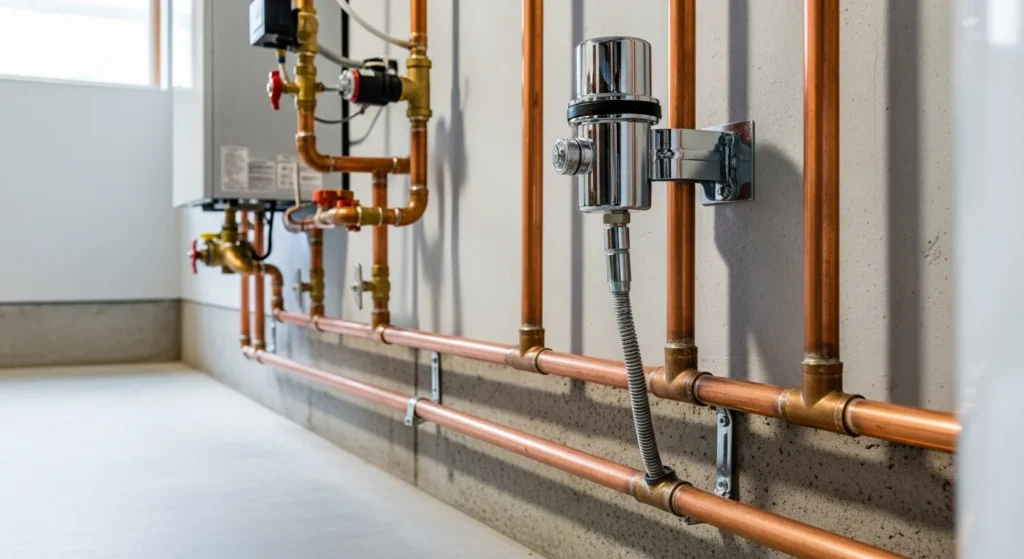
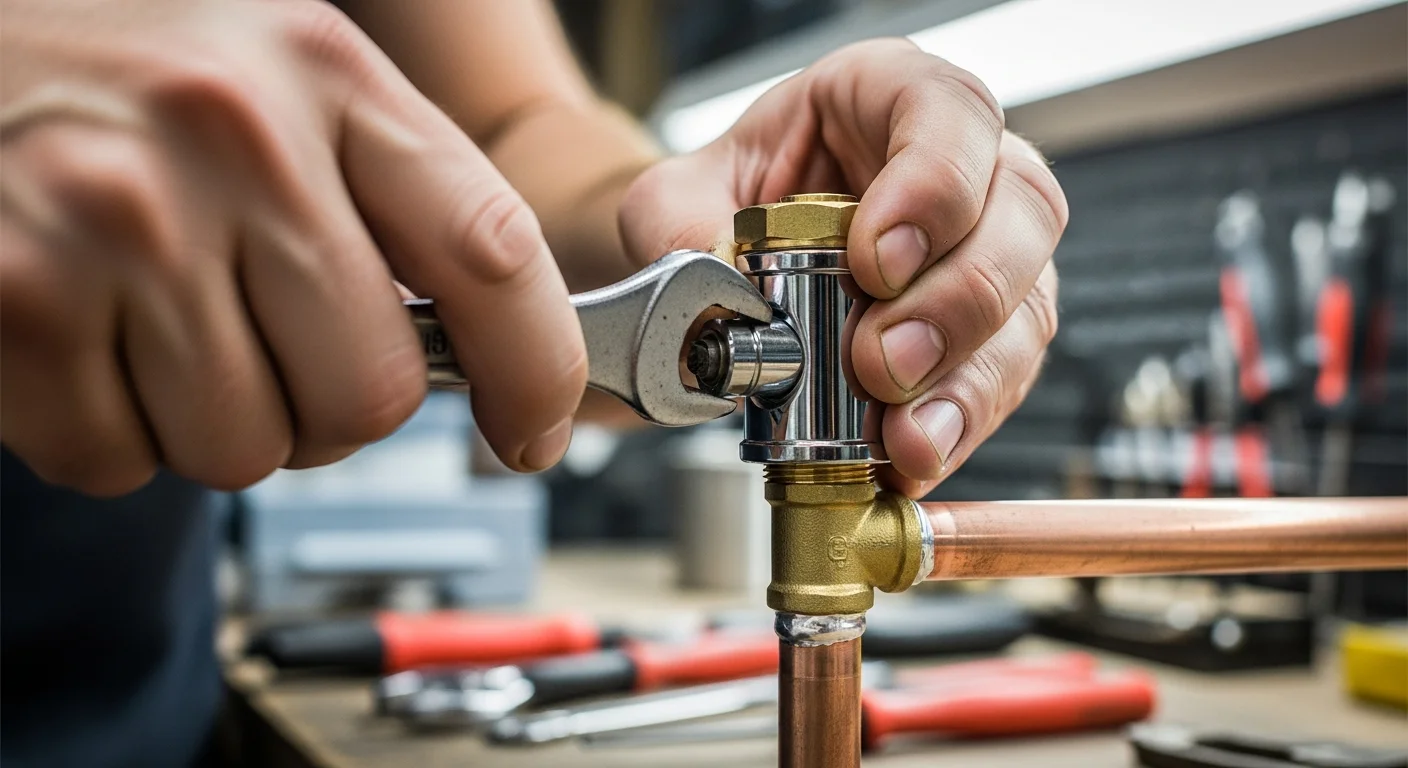
Water hammer arrestors are sealed devices containing a piston or bladder that compresses to absorb the shockwave when water flow stops suddenly. Unlike air chambers, arrestors do not become waterlogged over time because the air or gas is sealed inside. They are available at most hardware stores and can be installed at the point of use, typically behind washing machines, dishwashers, and other quick-closing valves.
Install a Pressure Reducing Valve (PRV)
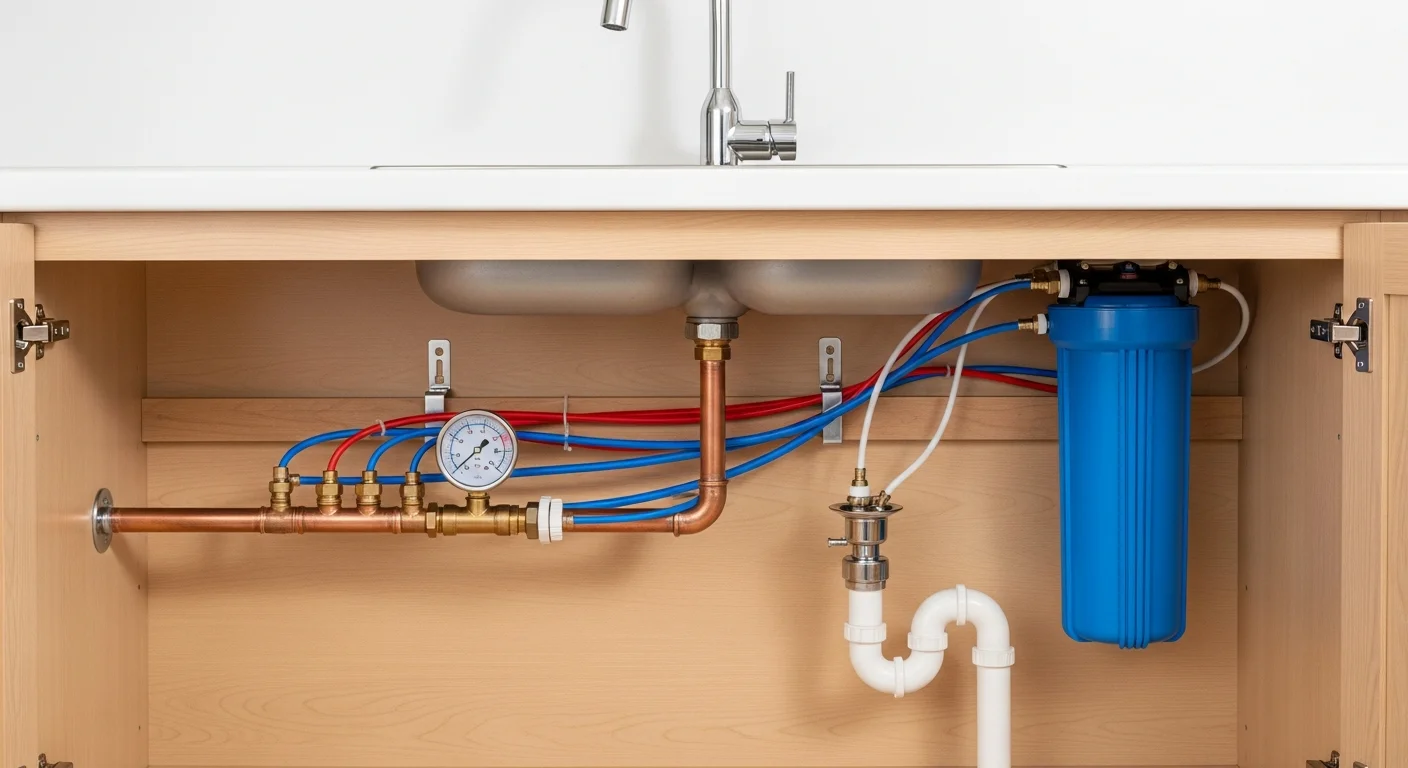
If your water pressure is above 80 PSI, installing a pressure reducing valve at the main water line is one of the most effective long-term solutions. A PRV reduces incoming water pressure to a safe, consistent level (typically 50 to 70 PSI), which dramatically reduces the intensity of water hammer events. This is a job best handled by a licensed plumber since it involves working on the main water line.
Secure Loose Pipes
Adding pipe straps, cushion clamps, or foam insulation around loose pipes can significantly reduce the banging noise associated with water hammer. While this does not eliminate the underlying pressure surge, it prevents pipes from physically striking walls, joists, and other surfaces. This is often a quick, inexpensive fix that makes a big difference in noise levels.
Replace Quick-Closing Valves with Slow-Close Alternatives
In some situations, replacing quick-closing solenoid valves or fixtures with slow-closing alternatives can reduce or eliminate water hammer. This is less common as a primary fix but can be effective for specific problem fixtures.
Professional Pipe System Evaluation
If none of the above fixes resolve the problem, or if you have recurring water hammer despite having arrestors and proper pressure, you may have an issue with your overall pipe sizing, layout, or condition. A professional plumber can evaluate the entire system, check for corroded or undersized pipes, and recommend the right solution.
How Much Does It Cost to Fix Water Hammer?
The cost to fix water hammer varies widely depending on the cause and the solution needed. Here is a comparison of common fixes:
| Fix | Estimated Cost | DIY or Pro? | Effectiveness | Best For |
|---|---|---|---|---|
| Recharge air chambers | $0 (free) | DIY | Moderate | Homes with existing air chambers |
| Water hammer arrestors | $10 to $30 each | DIY or Pro | High | Appliance-specific hammer |
| Secure loose pipes | $10 to $50 | DIY | Moderate (noise reduction) | Noisy pipes, visible pipe runs |
| Pressure reducing valve | $150 to $400 | Pro recommended | Very high | High water pressure systems |
| Slow-close valve replacement | $50 to $200 | Pro recommended | Moderate to high | Specific problem fixtures |
| Full pipe system evaluation | $200 to $500+ | Pro only | Diagnostic | Complex or recurring issues |
Note: Costs are general estimates for the Orange County, California area. Actual costs may vary based on your specific plumbing configuration and local labor rates.
When Should You Call a Professional Plumber for Water Hammer?
While some water hammer fixes are manageable as DIY projects, there are situations where you should call a licensed plumber:
- Your water pressure is consistently above 80 PSI and you need a pressure reducing valve installed on the main line.
- Water hammer persists after you have recharged air chambers and installed arrestors.
- You notice water leaks, damp spots, or water damage along with the banging noise.
- The hammering is severe enough that pipes are visibly moving or you are concerned about a burst pipe.
- You are unsure about the source of the problem and want a professional diagnosis.
- Your home has galvanized, polybutylene, or other older pipe materials that may need replacement. Understanding the differences between copper and PEX piping can help you choose the right material for your repipe.
A professional plumber can also check whether your water hammer is a symptom of a larger issue, such as a failing pressure regulator, thermal expansion problems with your water heater, or improperly sized supply lines. If the issue persists, consider scheduling water heater repair with a licensed professional.
How Can You Prevent Water Hammer From Coming Back?
Once you have fixed the immediate water hammer problem, here are steps to keep it from returning:
- Monitor your water pressure regularly: Check it at least once a year with a pressure gauge. If your area experiences pressure fluctuations from the municipal supply, consider a permanent pressure gauge on your system.
- Maintain your pressure reducing valve: If you have a PRV installed, have it inspected every few years. PRVs can fail or drift out of adjustment over time.
- Install arrestors proactively: When installing new appliances or fixtures, add water hammer arrestors at the same time. It is much easier and cheaper to prevent water hammer than to fix it after the fact.
- Drain your system annually: If your home uses air chambers instead of sealed arrestors, drain the entire plumbing system once a year to recharge the air pockets.
- Keep pipes properly secured: During any renovation or repair work, make sure all accessible pipes are properly strapped with cushioned supports.
Contact 911 Drain Lines and Plumbing or call (714) 909-1911 to schedule a water hammer inspection today.
Frequently Asked Questions About Water Hammer
Is water hammer dangerous?
Yes, water hammer can be dangerous if left untreated. The repeated pressure surges can weaken pipe joints, damage appliances, and in severe cases cause pipes to burst, leading to flooding and water damage. Addressing water hammer early prevents costly repairs.
Can water hammer go away on its own?
Water hammer rarely resolves on its own. If it appeared suddenly, it may indicate that an air chamber has become waterlogged or that your water pressure has increased. Without intervention, the problem typically persists or worsens over time.
Do water hammer arrestors wear out?
Sealed water hammer arrestors can last for many years, but they are not permanent. Over time, the internal piston or bladder may wear out and lose its ability to absorb shockwaves. If water hammer returns after arrestors were installed, they may need replacement.
Does water hammer only happen with hot water?
No, water hammer can occur with both hot and cold water lines. However, hot water lines may experience it more frequently because thermal expansion can increase pressure in the system. If you only hear banging on the hot water side, thermal expansion may be a contributing factor.
How much does a plumber charge to fix water hammer?
The cost to fix water hammer depends on the solution needed. Simple fixes like installing water hammer arrestors may cost $10 to $30 per device for DIY, while professional installation of a pressure reducing valve can range from $150 to $400. A full plumbing system evaluation typically costs $200 to $500 or more.