



What Causes a Burst Pipe?
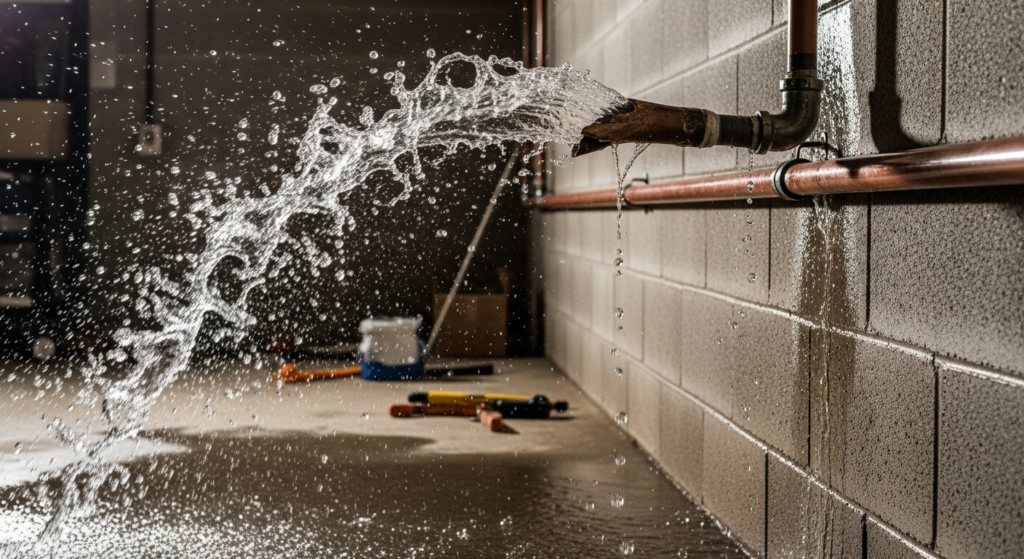
A burst pipe is one of the most stressful plumbing emergencies a homeowner can face. Water gushing from a broken pipe can flood your home in minutes, causing thousands of dollars in damage to floors, walls, furniture, and personal belongings.
Homes with polybutylene pipe risks are especially vulnerable to burst pipes due to material degradation.
Understanding what causes pipes to burst helps you take preventive action and react quickly when it happens. Repeated water hammer is one often-overlooked cause, as the pressure surges can weaken pipe joints over time. The most common causes include:
Need help right now? Our 24/7 emergency plumber in Orange County team is available around the clock.
- Corrosion and aging: Older homes with galvanized steel or copper pipes are especially vulnerable. Over decades, pipes corrode from the inside, weakening until they eventually fail.
- High water pressure: Water pressure above 80 PSI puts excessive stress on pipes and fittings. Most residential plumbing is designed for 40 to 60 PSI.
- Tree root intrusion: Tree roots naturally seek water sources and can grow into pipe joints and cracks, eventually breaking through the pipe wall.
- Ground shifting: Earthquakes, soil settling, and construction vibrations can shift underground pipes enough to crack joints or break connections. This is common in Southern California.
- Mineral buildup: Hard water deposits narrow the inside of pipes over time, increasing pressure and stress on weakened areas.
- Physical damage: Accidental damage from nails, screws, or renovation work can puncture or weaken pipes hidden inside walls.
What to Do When a Pipe Bursts: 7 Steps
Step 1: Shut Off the Main Water Supply
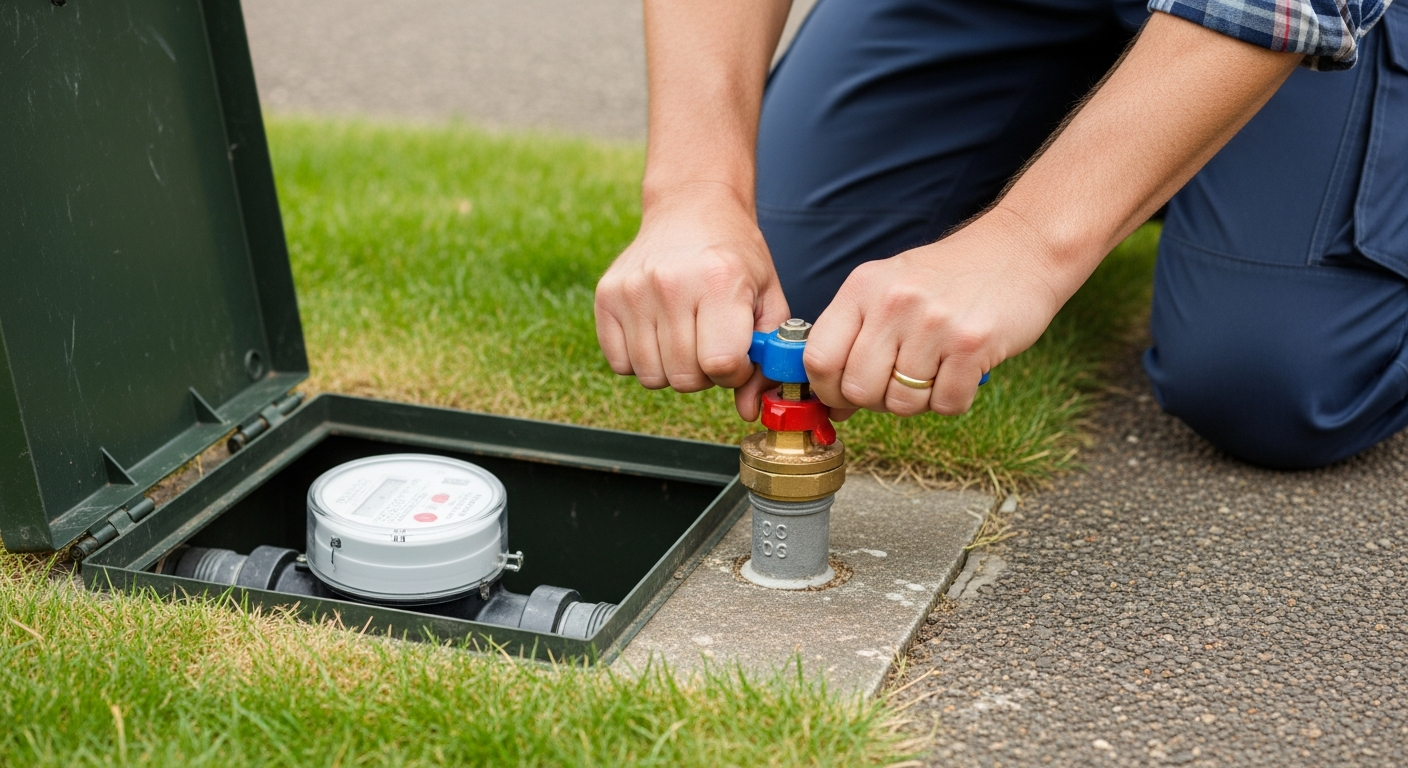
This is the most important step. Every second counts when water is flooding your home. Locate your main water shut-off valve and turn it off immediately.
Your main shut-off valve is typically located:
- Near the front of your house, close to the street (in a ground-level box)
- In the garage, near where the water line enters the home
- On an exterior wall near the water meter
Turn the valve clockwise (righty-tighty) until it stops. If you have a gate valve (round handle), turn it fully clockwise. If you have a ball valve (lever handle), turn it perpendicular to the pipe.
Pro tip: Know where your shut-off valve is before an emergency. Test it annually to make sure it turns and is not seized.
Step 2: Turn Off the Electricity in Affected Areas
Water and electricity are a dangerous combination. If the leak is near electrical outlets, switches, or your breaker panel, turn off power to the affected areas at the breaker box. If you cannot safely access the breaker box due to standing water, call your electric utility company.
Step 3: Open Faucets to Drain Remaining Water
After shutting off the main valve, open several faucets throughout the house to drain the remaining water from the pipes. This relieves pressure in the system and reduces the amount of water that continues to leak from the burst section. Flush toilets as well to empty the tanks.
Step 4: Contain the Water
Place buckets, towels, and containers under the leak to catch dripping water. If water is spreading across the floor, use towels or a wet/dry vacuum to prevent it from reaching carpeted areas, drywall, or electrical components.
If the burst pipe is in the ceiling, poke a small hole in the center of any water-damaged bulge to drain it into a bucket. This prevents the ceiling from collapsing under the water weight.
Step 5: Document the Damage
Before you start cleaning up, take photos and video of all the damage for your insurance claim. Document:
- The burst pipe location
- All water damage to floors, walls, ceilings, and belongings
- Water levels and spread
- Any damaged appliances or electronics
Step 6: Call an Emergency Plumber
A burst pipe requires professional repair. Call a licensed plumber who offers 24-hour emergency service to get the pipe repaired or replaced as quickly as possible. The longer the repair takes, the greater the risk of mold growth and structural damage.
While waiting for the plumber, you can apply a temporary fix using a pipe repair clamp, rubber patch, or even plumber’s tape to slow the leak if you can safely access the pipe.
Step 7: Begin Water Removal and Drying
Start removing standing water as soon as possible. Use a wet/dry vacuum, mop, or pump for large amounts. Open windows and run fans or dehumidifiers to dry the affected areas. Mold can begin growing within 24 to 48 hours, so fast drying is critical.
How a Plumber Repairs a Burst Pipe
The repair method depends on the pipe material, location, and extent of the damage:
Pipe Patching or Clamping
For small cracks or pinholes, a plumber may apply a repair clamp or epoxy patch. This is a quick, temporary fix to restore water flow while planning a more permanent solution.
Section Replacement
The most common repair involves cutting out the damaged section of pipe and replacing it with new pipe and fittings. For copper pipes, this means soldering new connections. For PEX pipes, push-fit or crimp fittings make the repair faster. Understanding the differences between copper and PEX piping can help you decide which material is best for the repair.
Full Repiping
If the burst pipe is part of an aging plumbing system with widespread corrosion, your plumber may recommend repiping the home with PEX to prevent future failures. Repiping replaces all the old pipes at once, solving the problem permanently.
Trenchless Repair (Underground Pipes)
For burst pipes buried underground or under your home’s slab, trenchless repair methods allow plumbers to fix or replace the pipe without excavating your yard or breaking through concrete. This saves time, money, and preserves your landscaping. For expert help, contact our pipe repair services team. For expert help, contact our leak detection services team.
How Much Does Burst Pipe Repair Cost?
The cost of repairing a burst pipe depends on its location and the extent of the damage:
- Visible pipe repair (exposed, accessible): $150 to $500
- Wall or ceiling pipe repair: $300 to $1,500 (includes drywall access and patching)
- Slab or underground pipe repair: $500 to $4,000+ (depends on method)
- Full home repiping: $4,000 to $15,000 (varies by home size and pipe material)
- Water damage restoration: $1,000 to $5,000+ (separate from plumbing repair)
Emergency after-hours repairs at many plumbing companies cost 1.5x to 2x the regular rate. At 911 Drain Lines, we charge the same flat rate 24/7 with no overtime fees.
How to Prevent Burst Pipes
- Check your water pressure: Use a pressure gauge on an outdoor hose bib. If pressure exceeds 80 PSI, install or adjust a pressure reducing valve.
- Inspect pipes regularly: Look for signs of corrosion, green staining on copper pipes, or moisture around joints.
- Insulate exposed pipes: Pipes in garages, crawl spaces, and exterior walls are more vulnerable. Insulate them with foam pipe sleeves.
- Know the age of your plumbing: Galvanized steel pipes (common in pre-1970s homes) and polybutylene pipes (1980s-1990s) are failure-prone and should be inspected or replaced.
- Maintain trees near sewer lines: Keep large trees away from underground pipes or have roots trimmed professionally with hydro jetting to clear intrusions.
- Schedule annual plumbing inspections: A professional can catch early signs of corrosion, pressure issues, and wear before a pipe fails.
Frequently Asked Questions
How quickly can a burst pipe flood a house?
A burst pipe on a main supply line can release 4 to 8 gallons of water per minute, flooding a room with several inches of water within an hour. That is why shutting off the main water valve immediately is the most critical first step. Even a smaller pipe can cause significant damage if the leak runs for hours while you are away from home.
Does homeowner’s insurance cover burst pipes?
Most homeowner’s insurance policies cover damage caused by a sudden burst pipe, including water damage to floors, walls, and personal property. However, insurance typically does not cover the cost of repairing or replacing the pipe itself, or damage caused by gradual leaks or lack of maintenance. File your claim promptly and document all damage with photos.
Can I fix a burst pipe myself?
You can apply temporary fixes like a pipe repair clamp or plumber’s tape to slow the leak until a professional arrives. However, permanent repair of a burst pipe requires proper tools, materials, and plumbing knowledge to ensure the fix meets code and will not fail again. Always call a licensed plumber for the actual repair.
How do I find the main water shut-off valve?
In most Southern California homes, the main shut-off valve is located near the front of the house, either in a ground-level box near the street or on an exterior wall near the water meter. Some homes have an additional valve in the garage where the water line enters the house. If you cannot find yours, call your water utility company for help.
Related: Water Leak Detection
Dealing With a Burst Pipe Right Now?
A burst pipe is a plumbing emergency that requires immediate professional help. 911 Drain Lines and Plumbing provides 24/7 emergency pipe repair across Orange County and the Inland Empire. We respond within the hour with flat-rate pricing and no overtime charges. Call (714) 746-7611 now for immediate assistance.