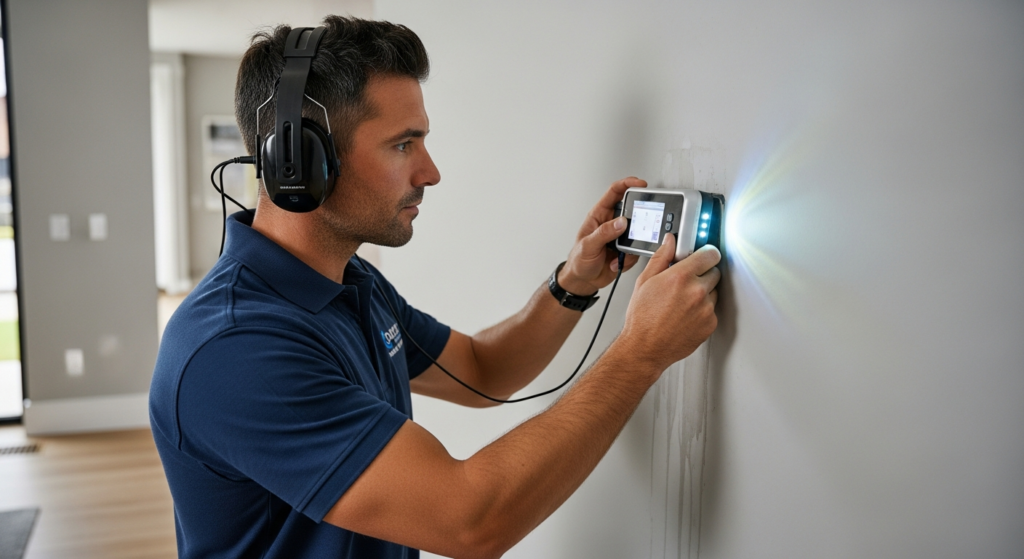




What Is Water Leak Detection?
Water leak detection is the process of identifying hidden leaks in your home’s plumbing system before they cause serious damage. While some leaks are obvious, like a dripping faucet or a puddle under the sink, the most destructive leaks often go undetected for weeks or months, hidden behind walls, under concrete slabs, or deep underground.
For areas prone to flooding, a sump pump guide for Southern California explains how to add another layer of protection.
According to the EPA, household leaks waste nearly 1 trillion gallons of water annually in the United States. The average home loses 10,000 gallons per year to leaks, and 10% of homes have leaks wasting 90 gallons or more per day. Catching these hidden leaks early can save you thousands of dollars in water damage repairs, mold remediation, and wasted utility costs.
7 Warning Signs of a Hidden Water Leak
1. Unexplained Increase in Your Water Bill
If your water usage habits have not changed but your bill has jumped significantly, a hidden leak is one of the most likely causes. Even a small leak (a pinhole in a pipe, for example) can waste hundreds of gallons per month and add $50 to $100 or more to your bill.
Compare your current bill to the same month in previous years. A spike of 20% or more with no clear explanation warrants investigation.
2. Water Meter Running When Everything Is Off
This is the simplest and most reliable test for a hidden leak:
- Turn off every water-using fixture and appliance in your home (faucets, toilets, washing machine, dishwasher, irrigation)
- Locate your water meter (usually near the street)
- Record the meter reading or note the position of the flow indicator
- Wait 1 to 2 hours without using any water
- Check the meter again
If the meter has moved, you have a leak somewhere between the meter and your home or inside the house.
3. Damp or Discolored Spots on Walls, Ceilings, or Floors
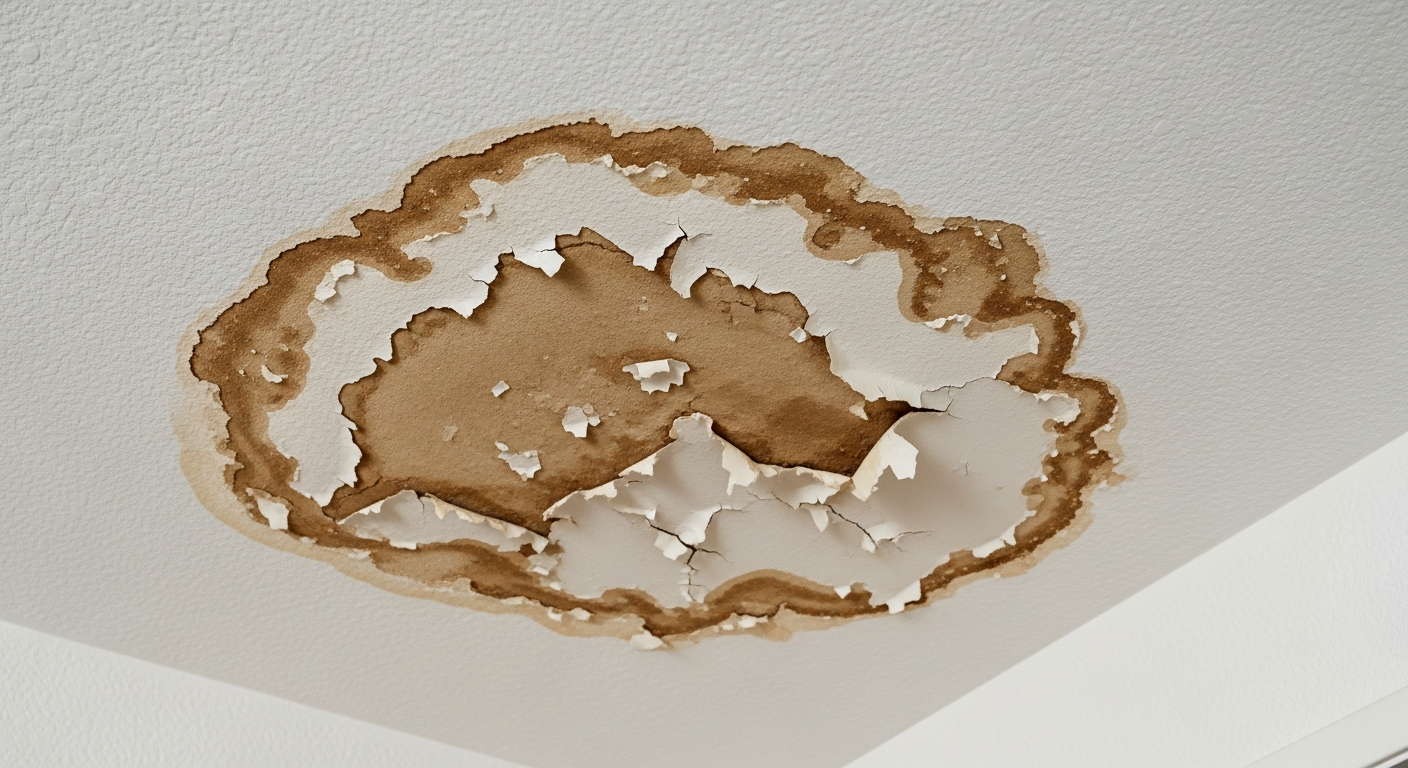
Unexplained water stains, bubbling paint, peeling wallpaper, or warped flooring are classic signs of a hidden pipe leak behind the surface. These stains often appear yellowish-brown and may grow slowly over time.
Pay particular attention to areas around bathrooms, kitchens, and laundry rooms where pipes run behind walls and under floors.
4. Musty or Moldy Smell
A persistent musty odor, especially in a specific area of your home, often indicates hidden moisture from a plumbing leak or sewer issue. Mold can begin growing within 24 to 48 hours of a leak starting, and it thrives in dark, damp spaces behind walls and under floors.
5. Sound of Running Water When No Fixtures Are On
If you can hear water flowing, dripping, or hissing when everything is turned off, a pipe is likely leaking somewhere. This is especially noticeable at night when the house is quiet. The sound may come from behind walls, under the floor, or from the ceiling.
6. Cracks in Your Foundation or Slab
Water leaks under your home’s concrete slab (called slab leaks) can erode the soil supporting your foundation, causing cracks, uneven floors, or doors that no longer close properly. Slab leaks are particularly common in Southern California homes built on concrete foundations.
7. Wet Spots in Your Yard
If you notice unusually green patches of grass, soggy areas, or pooling water in your yard when it has not rained, you may have an underground water line leak. These leaks can also cause sinkholes or erosion near your home’s foundation.
Professional Water Leak Detection Methods
When DIY checks point to a leak but you cannot locate it, professional plumbers use advanced technology to pinpoint the exact location without tearing open walls or digging up your yard.
Electronic Leak Detection
Acoustic listening devices amplify the sound of water escaping from pipes, allowing technicians to locate leaks behind walls, under slabs, and underground. Modern electronic detectors can pinpoint a leak’s location within inches, even through concrete and soil.
Thermal Imaging
Infrared cameras detect temperature differences caused by moisture behind walls and under floors. A leaking hot water pipe, for example, creates a visible warm spot on the thermal image that reveals the exact leak location.
Sewer Camera Inspection
For suspected sewer line or drain leaks, a high-resolution waterproof camera is fed into the pipe to visually inspect the interior. This method identifies cracks, joint separations, root intrusion, and corrosion that cause leaks.
Pressure Testing
Plumbers can isolate sections of your plumbing system and test them under pressure to confirm whether a leak exists and narrow down its location. A drop in pressure over time confirms a leak in that section of pipe.
Common Types of Water Leaks in Homes
Slab Leaks
Leaks in the water lines running beneath your home’s concrete slab foundation. Common in Southern California homes due to soil shifting, copper pipe corrosion, and ground movement. Knowing the signs of a slab leak helps you catch problems before they cause foundation damage. Slab leak repairs typically cost $500 to $4,000 depending on the method used.
Supply Line Leaks
Leaks in the pressurized water supply pipes that bring fresh water to your fixtures. These leaks can waste significant water quickly because the pipes are always under pressure, even when fixtures are off. A supply line leak is also a common cause of low water pressure in your house.
Drain and Sewer Line Leaks
Leaks in the drain pipes that carry wastewater away from your home. While they do not waste fresh water, they can cause sewage contamination, foul odors, and foundation damage. A main sewer line issue can affect your entire plumbing system.
Fixture Leaks
Leaks at faucets, toilets, shower valves, and water heater connections. A running toilet alone can waste 200 gallons per day. Check your toilet for continuous running and faucets for drips regularly.
How Much Does Water Leak Detection Cost?
Professional leak detection typically costs:
- Basic leak detection service: $150 to $400
- Electronic/acoustic detection: $200 to $500
- Slab leak detection: $150 to $600
- Sewer camera inspection: $100 to $300
The cost of detection is a fraction of what an undetected leak can cost you. A hidden slab leak left unrepaired for months can result in $5,000 to $15,000 or more in water damage, foundation repair, and mold remediation.
Frequently Asked Questions
How do I know if I have a hidden water leak?
Check for unexplained spikes in your water bill, run the water meter test (turn everything off and see if the meter still moves), and look for signs like damp spots on walls, musty smells, or the sound of running water when no fixtures are on. If you notice any of these signs, contact a professional for leak detection.
Can a plumber detect a leak without breaking walls?
Yes. Modern leak detection uses non-invasive technology including electronic acoustic sensors, thermal imaging cameras, and pressure testing to locate leaks behind walls and under slabs without any demolition. The plumber only needs to access the leak point for the actual repair.
How long can a water leak go undetected?
Some hidden leaks go undetected for months or even years, especially slow slab leaks or pinhole leaks in walls. By the time visible signs appear (water stains, mold, foundation cracks), significant damage may have already occurred. Regular plumbing inspections and monitoring your water bill are the best ways to catch leaks early.
Does homeowner’s insurance cover water leak damage?
Most homeowner’s insurance policies cover sudden and accidental water damage (like a burst pipe) but do not cover damage from gradual leaks that could have been prevented with maintenance. The leak detection and repair costs themselves are typically not covered. Check your specific policy for details.
Related: Swimming Pool Leak Detection
Think You Have a Hidden Water Leak?
Do not wait for a small leak to become a big problem. 911 Drain Lines and Plumbing offers professional leak detection services using advanced electronic and camera technology across Orange County and the Inland Empire. We provide 24/7 emergency service with no overtime charges. Call (714) 746-7611 to schedule a leak detection inspection today.