



Why Your Toilet Keeps Running
A running toilet is more than an annoying sound. It wastes water constantly, sometimes up to 200 gallons per day, which can add $50 to $100 or more to your monthly water bill. The good news is that most running toilet problems are caused by a handful of inexpensive parts inside the tank.
Here is a breakdown of the most common causes, how to diagnose them, and when to call a licensed plumber.
How a Toilet Works (Quick Overview)
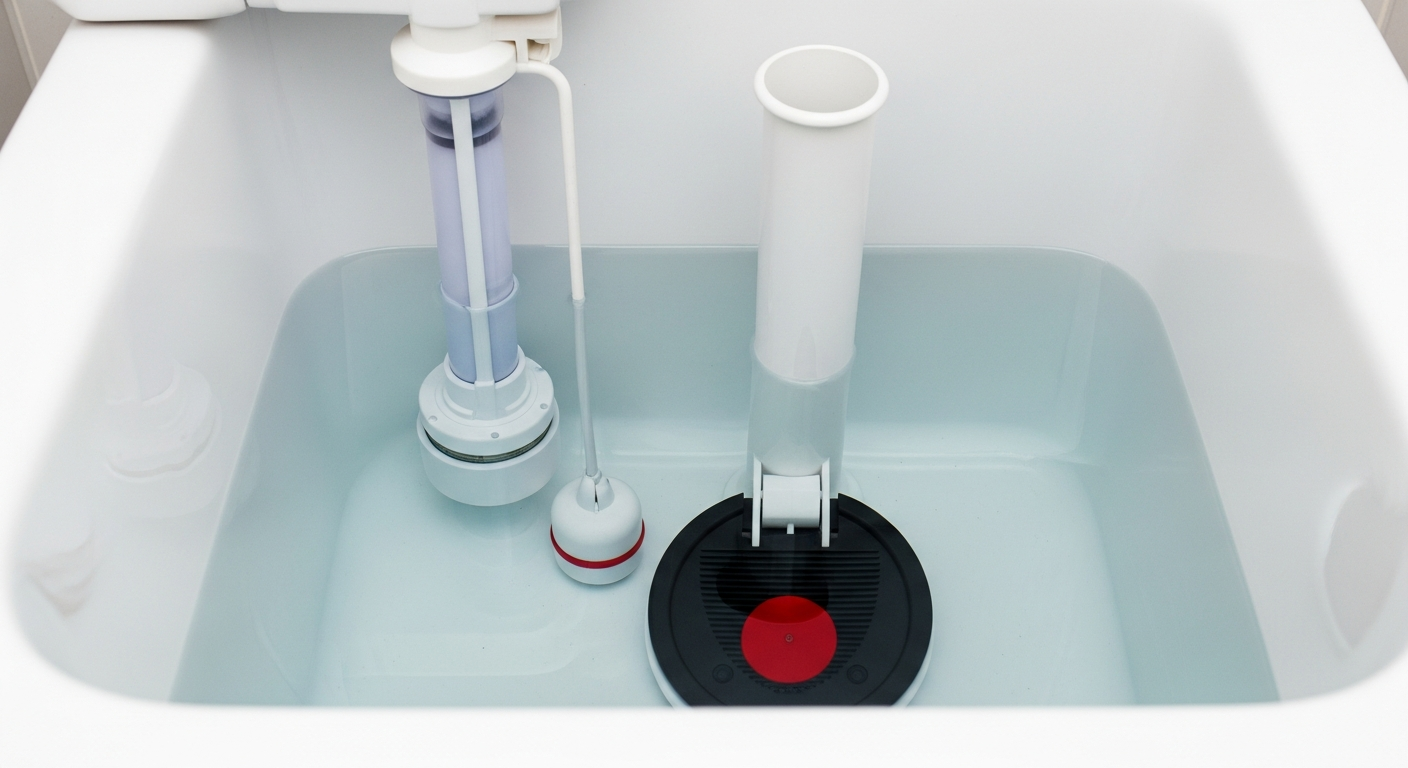
Understanding the basic mechanism makes troubleshooting much easier. When you flush, the flush handle lifts a chain connected to the flapper valve at the bottom of the tank. The flapper opens, releasing water into the bowl. Once the tank empties, the flapper closes and the fill valve refills the tank. A float connected to the fill valve rises with the water level and shuts off the valve when the tank is full.
If any of these components malfunction, the toilet runs continuously or cycles on and off by itself. If your toilet is backed up rather than running, see our guide on how to unclog a toilet for step-by-step solutions.
5 Common Causes of a Running Toilet
1. Worn or Warped Flapper
The flapper is the most common culprit. It is a rubber seal at the bottom of the tank that lifts when you flush and closes to hold water between flushes. Over time, the rubber deteriorates, warps, or collects mineral deposits, preventing it from creating a tight seal.
When the flapper does not seal properly, water slowly leaks from the tank into the bowl. The fill valve detects the dropping water level and keeps running to compensate.
How to check: Add a few drops of food coloring to the tank water. Wait 15 to 20 minutes without flushing. If colored water appears in the bowl, the flapper is leaking.
Fix: Flappers cost $5 to $15 at any hardware store and take about 10 minutes to replace. Turn off the water supply valve behind the toilet, flush to drain the tank, unhook the old flapper, and snap the new one into place.
2. Fill Valve Malfunction
The fill valve controls the flow of water into the tank after a flush. When it fails, it may run continuously, cycle on and off at random intervals, or make a hissing sound. Fill valve issues often develop gradually as internal seals and diaphragms wear out.
How to check: Lift the float arm while the toilet is running. If the water stops, the fill valve is not shutting off at the correct level. If the water continues running regardless of the float position, the valve is faulty.
Fix: Adjusting the float height may solve the problem temporarily. For a permanent fix, replace the entire fill valve assembly. Universal fill valves cost $10 to $25 and install in about 20 minutes.
3. Float Set Too High
If the water level in the tank is set too high, water flows over the top of the overflow tube and drains continuously into the bowl. The fill valve never shuts off because the water level never reaches the correct point.
How to check: Look at the water level in the tank. It should sit about 1 inch below the top of the overflow tube. If water is flowing into the overflow tube, the float is set too high.
Fix: Adjust the float. On a ball-and-arm float, bend the arm slightly downward. On a cup-style float (common on modern toilets), squeeze the clip and slide the float down the shaft. This is a free fix that takes less than a minute.
4. Overflow Tube Is Too Short or Cracked
The overflow tube prevents the tank from overflowing by directing excess water into the bowl. If the tube is cracked, broken, or cut too short during a previous repair, water drains into the bowl before reaching the proper level.
How to check: Inspect the overflow tube for visible cracks or damage. If the tube appears to be shorter than the marked water line on the tank, it may have been cut or broken.
Fix: Replacing just the overflow tube usually requires replacing the entire flush valve assembly, which is a more involved repair. If you are not comfortable with this, call a plumber.
5. Flapper Chain Is Too Long or Too Short
The chain connecting the flush handle to the flapper needs to have the right amount of slack. Too much slack and the chain can get caught under the flapper, preventing it from sealing. Too little slack and the flapper is held slightly open at all times, causing a constant leak.
How to check: Open the tank lid and observe the chain when the toilet is at rest. There should be about half an inch of slack. If the chain is tangled, kinked, or pulling the flapper up, it needs adjustment.
Fix: Adjust the chain length by moving the hook to a different link. Trim any excess chain to prevent tangling. This is a 30-second fix.
How Much Water Does a Running Toilet Waste?
A running toilet can waste a surprising amount of water:
- Small flapper leak: 30 to 50 gallons per day (900 to 1,500 gallons per month)
- Moderate leak: 100 to 200 gallons per day
- Stuck-open flapper or failed fill valve: Up to 4,000 gallons per day in extreme cases
At Orange County water rates, even a small leak can add $20 to $40 per month to your water bill. A major leak can cost significantly more and may trigger high-usage alerts from your water utility.
When to Call a Plumber
Most running toilet issues are DIY-friendly. However, call a licensed plumber if:
- You have replaced the flapper and fill valve and the toilet still runs.
- The toilet rocks or wobbles on the floor (the wax ring may be compromised).
- You see water leaking from the base of the toilet, not just inside the tank.
- The shut-off valve behind the toilet is corroded or will not turn.
- You notice water damage on the ceiling below a second-floor bathroom.
These situations can indicate more serious plumbing issues that require professional diagnosis. 911 Drain Lines and Plumbing provides 24/7 residential plumbing services across Orange County and the Inland Empire. Call (714) 746-7611 for fast, expert help. For expert help, contact our drain cleaning services team.
Preventing a Running Toilet
- Replace the flapper every 3 to 5 years. Rubber degrades over time, especially in areas with hard water like Orange County.
- Inspect the tank components annually. A quick visual check can catch problems early.
- Avoid drop-in tank cleaning tablets. Many contain chemicals that accelerate rubber deterioration on flappers and seals.
- Do not ignore phantom flushing. If your toilet cycles on and off by itself, it has a slow leak that will only get worse.
Frequently Asked Questions
Why does my toilet run intermittently?
Intermittent running, sometimes called “phantom flushing,” is almost always caused by a slow flapper leak. Water seeps from the tank into the bowl until the fill valve kicks in to top off the tank. Replacing the flapper usually solves this problem.
Can a running toilet increase my water bill?
Yes, significantly. A running toilet can waste hundreds of gallons per day, adding $20 to $100 or more per month to your water bill depending on the severity of the leak.
How do I know if my toilet flapper needs replacing?
Perform the food coloring test: add a few drops to the tank, wait 15 minutes without flushing, and check the bowl. If the water in the bowl changes color, the flapper is leaking and should be replaced.
Is a running toilet an emergency?
A running toilet is not typically an emergency, but it should be fixed promptly to avoid water waste and high utility bills. If water is overflowing onto the floor or you cannot shut off the supply valve, treat it as urgent and call a plumber.
How much does a plumber charge to fix a running toilet?
Most running toilet repairs cost between $75 and $200 for a professional plumber, depending on the parts needed and the complexity of the issue. A full flush valve replacement may cost up to $300.
Related: Toilet Won’T Flush
Stop wasting water and money on a running toilet. Call 911 Drain Lines and Plumbing at (714) 746-7611 for expert plumbing service in Orange County, the Inland Empire, and surrounding areas.