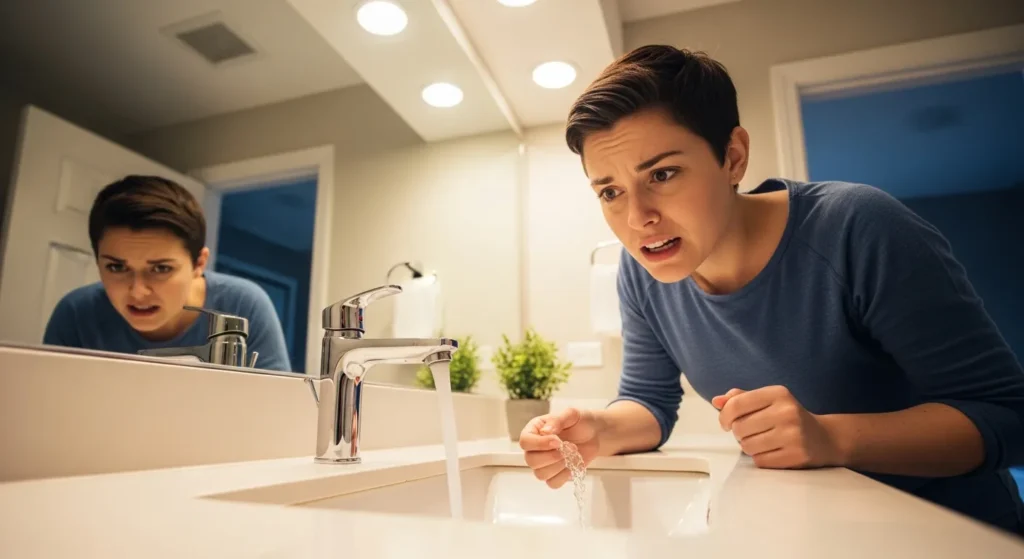




Waking up to no hot water is one of the most frustrating surprises any homeowner can face. Whether you are trying to take a morning shower, wash dishes, or run a load of laundry, losing your hot water supply disrupts your entire routine. The good news is that most causes of no hot water are identifiable and fixable, sometimes without a full replacement. In this guide, we walk through the most common reasons your hot water stopped working, organized by water heater type, and explain what you can do about each one. If the issue persists, consider scheduling water heater replacement with a licensed professional.
Contact 911 Drain Lines and Plumbing or call (714) 909-1911 for fast water heater service.
Why Is Your Gas Water Heater Not Producing Hot Water?
Gas water heaters are the most common type in Orange County and Inland Empire homes. When one stops producing hot water, the cause usually traces back to a handful of components.
Pilot Light Has Gone Out
The pilot light is a small flame that ignites the gas burner. If the pilot light goes out, the burner cannot heat the water in the tank. Drafts, a faulty thermocouple, or a dirty pilot tube can all cause this. You can try relighting the pilot following the manufacturer’s instructions on the unit’s label. If it keeps going out, the thermocouple likely needs replacement. Learn more in our guide on water heater pilot light troubleshooting.
Thermostat Set Too Low
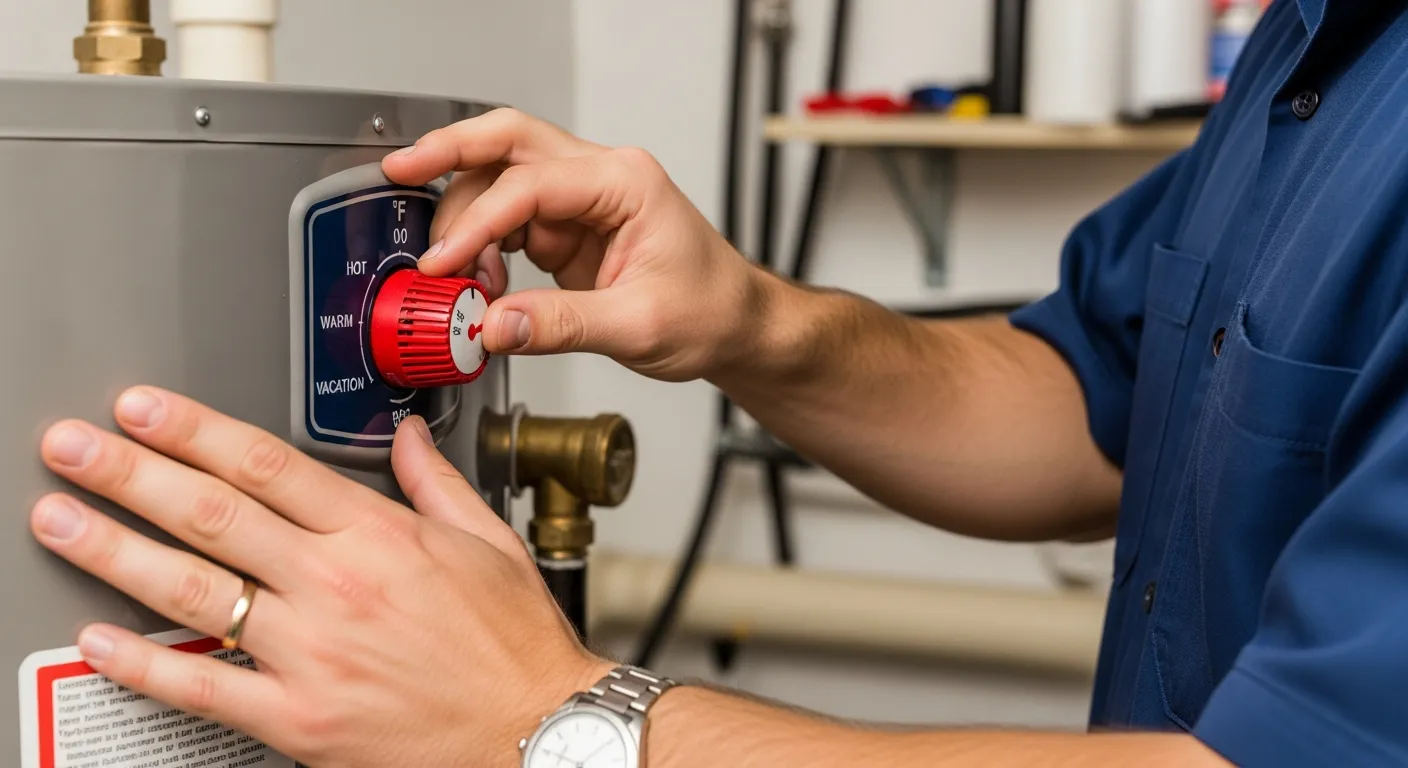
Gas water heaters have a temperature dial on the gas control valve. If someone accidentally bumped it or turned it down, your water may come out lukewarm or cold. Check that the thermostat is set between 120 and 130 degrees Fahrenheit. Setting it lower saves energy, but going below 120 degrees can leave you without adequately hot water and may allow bacteria to grow inside the tank.
Broken Gas Control Valve
The gas control valve regulates gas flow to the burner. If this component fails, the burner will not ignite at all. Signs include no hot water and no sound of the burner firing. This repair requires a licensed plumber because it involves gas line work.
Sediment Buildup in the Tank
Over time, minerals in your water supply settle at the bottom of the tank. This sediment layer insulates the water from the burner flame below, reducing heating efficiency and eventually preventing the water from reaching the desired temperature. Regular flushing prevents this problem. Our step-by-step guide on how to flush a water heater covers the full process.
What Causes an Electric Water Heater to Stop Heating?
Electric water heaters use heating elements instead of a gas burner. They share some common failure points with gas models but also have unique issues.
Tripped Circuit Breaker
Electric water heaters draw significant power. If the circuit breaker dedicated to the water heater trips, the unit shuts off entirely. Check your electrical panel for a tripped breaker in the “off” or middle position and reset it. If the breaker trips again immediately, you may have a wiring problem or a short in one of the heating elements. Do not keep resetting a breaker that repeatedly trips.
Failed Heating Element
Most electric water heaters have two heating elements, one upper and one lower. The upper element heats incoming cold water first, while the lower element maintains the overall tank temperature. If the upper element fails, you may get no hot water at all. If the lower element fails, you might get a small amount of hot water that runs out quickly. A licensed electrician or plumber can test the elements with a multimeter and replace the faulty one.
Malfunctioning Thermostat
Each heating element has its own thermostat. If one fails, it may not signal the element to turn on. Like a gas water heater thermostat, check that it is set to the right temperature first. If the setting is correct but the water stays cold, the thermostat itself may need replacement.
High Limit Switch Tripped
Electric water heaters include a high limit safety switch (also called a reset button) that cuts power if the water temperature exceeds safe levels. You can usually find this red button behind the upper access panel on the tank. Press it to reset. If it trips repeatedly, the thermostat or heating element is likely malfunctioning and needs professional diagnosis. For a deeper look at electric and gas troubleshooting, see our full water heater not working guide.
Why Did Your Tankless Water Heater Suddenly Stop Working?
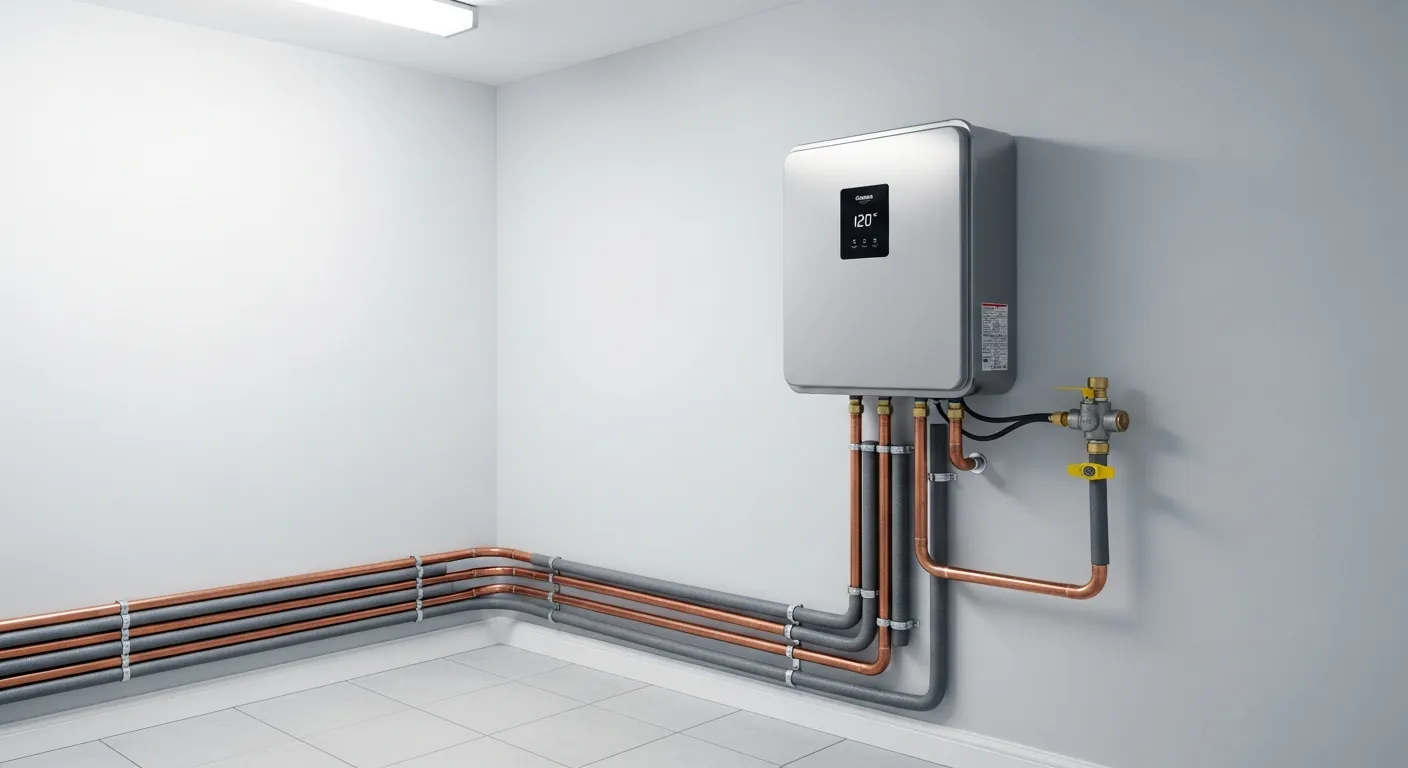
Tankless (on-demand) water heaters heat water as it flows through the unit rather than storing it in a tank. They can still leave you without hot water if certain conditions occur.
Minimum Flow Rate Not Met
Tankless heaters require a minimum water flow to activate. If you are running a low-flow faucet or showerhead, the unit may not turn on at all. Try increasing the flow rate. If the problem persists, the flow sensor inside the unit could be failing.
Error Codes on the Display
Most tankless water heaters have a digital display that shows error codes when something goes wrong. Common codes relate to ignition failure, exhaust blockage, or overheating. Consult the manufacturer’s manual for your specific model’s error code definitions. Some codes indicate issues you can resolve yourself, while others require a technician.
Mineral Scale Buildup
Hard water is prevalent throughout Orange County and the Inland Empire. Mineral scale accumulates inside the heat exchanger of tankless units, reducing heat transfer efficiency. If not addressed, it can eventually block water flow entirely. Descaling the unit with a vinegar flush every 6 to 12 months is essential preventive water heater maintenance.
Overwhelmed Capacity
Running multiple hot water fixtures at once can exceed a tankless unit’s capacity, especially in larger households. The result is lukewarm water or hot water that cuts in and out. This is not a malfunction; it is a sizing issue. If demand frequently exceeds capacity, you may need a larger unit or a second tankless heater installed in parallel.
Could the Problem Be Your Plumbing and Not the Water Heater?
Sometimes the water heater is working fine, but other plumbing issues mimic a no hot water situation.
Crossed Hot and Cold Lines
If hot and cold supply lines are accidentally connected (for example, during a recent renovation), cold water can flow back into the hot water line, diluting or completely replacing the hot water at certain fixtures. A plumber can diagnose this with temperature testing at multiple points.
Broken Dip Tube
The dip tube directs cold incoming water to the bottom of the tank so the hot water at the top flows out to your fixtures. If the dip tube cracks or breaks, cold water mixes with hot water near the top of the tank, dramatically reducing the temperature of the water delivered to your faucets. This is a relatively inexpensive repair for a licensed plumber.
Leaking Water Heater
A leak from the tank, pressure relief valve, or supply lines means your water heater loses water faster than it can heat it. If you notice puddles around your unit, address the leak before troubleshooting temperature issues. See our detailed guide on water heater leaking from the bottom for step-by-step help.
How Can You Compare Common Causes by Water Heater Type?
This comparison table summarizes the most frequent causes of no hot water by water heater type, along with typical symptoms and recommended fixes.
| Cause | Water Heater Type | Symptoms | Recommended Fix |
|---|---|---|---|
| Pilot light out | Gas | No hot water at all; no burner sound | Relight pilot; replace thermocouple if it keeps going out |
| Thermostat set too low | Gas / Electric | Lukewarm water | Adjust thermostat to 120 to 130 degrees F |
| Sediment buildup | Gas / Electric | Slow heating; rumbling noises | Flush the tank annually |
| Tripped breaker | Electric | No hot water; unit completely off | Reset breaker; call electrician if it trips again |
| Failed heating element | Electric | No hot water (upper) or limited hot water (lower) | Test with multimeter; replace failed element |
| High limit switch tripped | Electric | No hot water after overheating event | Press reset button; diagnose cause if recurring |
| Minimum flow not met | Tankless | Unit does not activate | Increase flow rate; check flow sensor |
| Mineral scale buildup | Tankless | Reduced hot water; error codes | Descale with vinegar flush every 6 to 12 months |
| Capacity exceeded | Tankless | Lukewarm or fluctuating temperature | Reduce simultaneous usage or add second unit |
| Broken dip tube | Gas / Electric (tank) | Short bursts of warm water, then cold | Replace dip tube |
| Leaking tank or valve | All types | Puddles around unit; dropping pressure | Repair or replace leaking component |
| Gas control valve failure | Gas | No burner ignition; no hot water | Replace gas control valve (licensed plumber) |
When Should You Call a Professional Plumber for No Hot Water?
Some no hot water issues are safe for homeowners to troubleshoot: relighting a pilot, resetting a breaker, or adjusting a thermostat. However, you should call a licensed plumber when:
- The pilot light will not stay lit after multiple attempts.
- You smell gas near the water heater.
- The circuit breaker trips repeatedly after resetting.
- You see water pooling around the base of the unit.
- The water heater is more than 10 to 12 years old and repairs are becoming frequent. Our guide on how long a water heater lasts can help you decide between repair and replacement.
- Your tankless unit displays persistent error codes after a reset.
- You hear loud banging, popping, or water heater making noise sounds that indicate serious sediment or component problems.
Attempting gas line repairs, heating element replacement, or complex diagnostics without proper training can be dangerous and may void your warranty.
Schedule a water heater inspection with 911 Drain Lines and Plumbing or call (714) 909-1911 today.
Frequently Asked Questions About No Hot Water
Why do I have no hot water in the morning but it works later in the day?
This typically means your water heater’s recovery rate is slower than your household’s demand. During overnight hours, standby heat loss cools the stored water. If the thermostat is set too low or the tank is undersized, the heater cannot fully reheat the water before morning use. Raising the thermostat slightly or upgrading to a larger unit can resolve this.
Can a water heater lose hot water in just one faucet?
Yes. If only one fixture has no hot water, the problem is likely in that fixture’s hot water supply valve, a clogged aerator, or a single-handle cartridge that has failed. The water heater itself is probably working correctly if other fixtures still deliver hot water.
How long should it take a water heater to reheat?
A standard 40 to 50 gallon gas water heater typically reheats in 30 to 45 minutes. Electric water heaters are slower, usually taking 60 to 90 minutes for a full recovery. Tankless units heat water on demand with no recovery wait, but they are limited by flow rate capacity. If your water heater is taking significantly longer than these benchmarks, sediment buildup or a failing component is the likely cause.
Is no hot water an emergency?
It depends on the circumstances. If you smell gas, see water flooding, or have no hot water during freezing temperatures, treat it as an emergency and call a plumber immediately. For routine causes like a tripped breaker or a pilot light that needs relighting, you can usually troubleshoot safely on your own before calling for help.
Should I repair or replace my water heater if it stops producing hot water?
As a general rule, if the water heater is less than 8 years old and the repair cost is under half the price of a new unit, repair makes sense. If the unit is older than 10 to 12 years, requires frequent repairs, or shows signs of corrosion or tank leaks, replacement is the better long-term investment. A licensed plumber can evaluate your specific situation and recommend the most cost-effective path forward. If the issue persists, consider scheduling water heater repair with a licensed professional.