



Common Reasons Your Water Heater Is Not Working
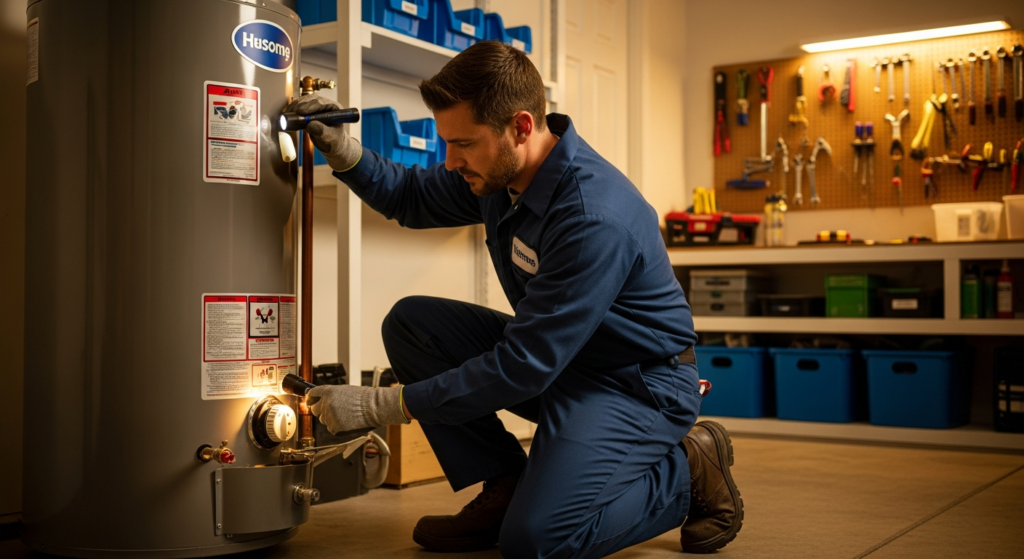
When your water heater stops producing hot water or starts behaving unpredictably, the cause usually falls into one of several categories. Understanding the most likely culprits helps you decide whether this is a quick fix or a call to a professional.
No Hot Water at All
Complete loss of hot water is the most urgent water heater problem. For a detailed breakdown of every possible cause and fix, see our guide on no hot water troubleshooting. The cause depends on whether you have a gas or electric unit.
Gas water heaters
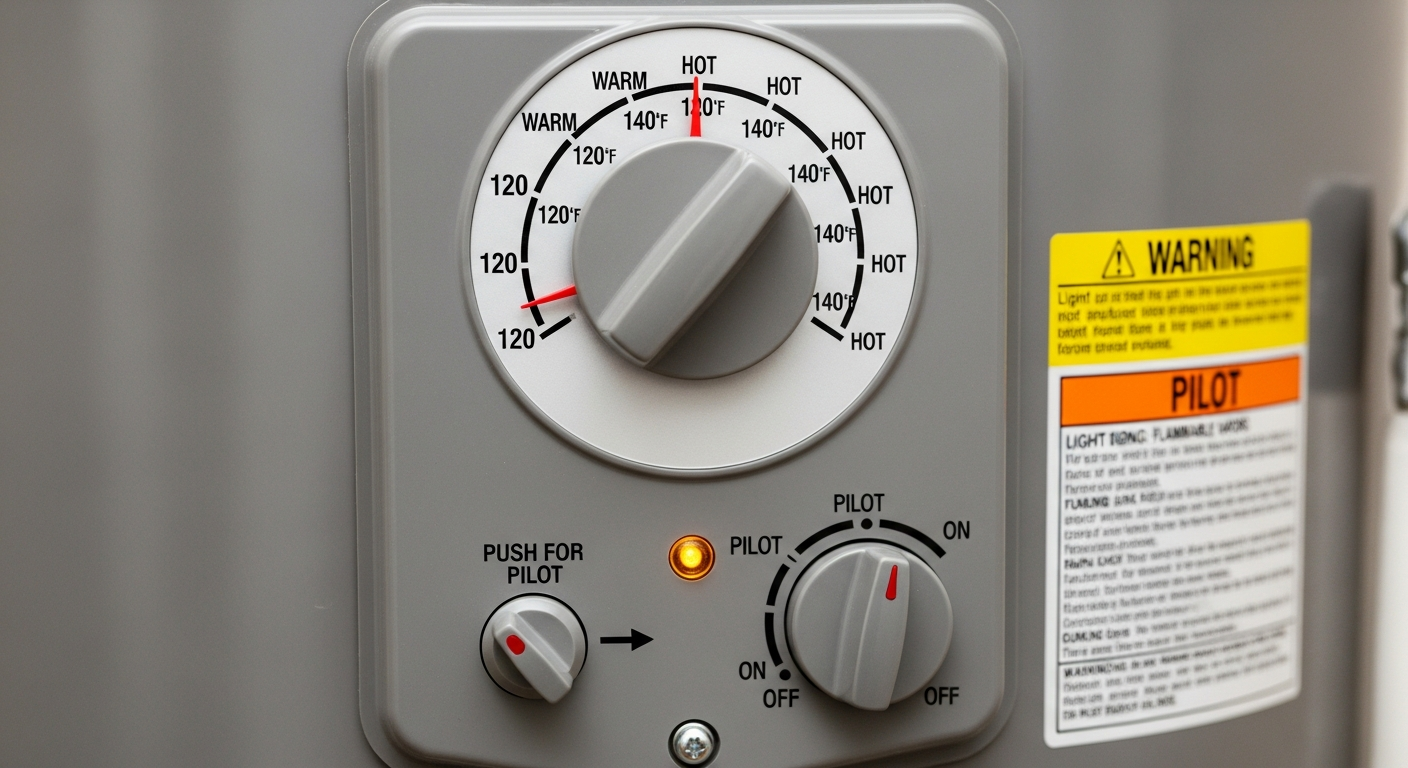
- Pilot light is out – The most common cause. Check the small viewing window near the bottom of the tank. If you do not see a flame, the pilot light needs to be relit. Follow the instructions on the label or in the owner’s manual. If the pilot light will not stay lit after relighting, the thermocouple may need replacement.
- Gas supply interrupted – Verify that the gas valve on the supply line is in the “on” position (parallel to the pipe). Check if other gas appliances in the home are working. If nothing is getting gas, contact your gas utility.
- Faulty thermocouple – The thermocouple is a safety sensor that detects the pilot flame. If it fails, it shuts off the gas supply even when the pilot is lit. This is a common and inexpensive repair (usually $20 to $50 for the part).
- Bad gas control valve – If the thermocouple tests fine and the pilot still will not stay lit, the gas control valve (thermostat assembly) may have failed. This is a more involved repair that typically costs $150 to $300 installed.
Electric water heaters
- Tripped breaker – Check your electrical panel. Electric water heaters run on a dedicated 240-volt circuit. If the breaker has tripped, reset it. If it trips again immediately, do not keep resetting it. This indicates an electrical fault that needs professional attention.
- Tripped high-temperature cutoff (reset button) – Electric water heaters have a safety reset button on the upper thermostat. Remove the access panel, push the red reset button, and replace the panel. If it trips again, the thermostat or heating element is likely faulty.
- Failed heating element – Electric water heaters have two heating elements (upper and lower). If the upper element fails, you get no hot water at all. If the lower element fails, you get some hot water but it runs out quickly. Replacement costs $150 to $300 installed.
- Faulty thermostat – The thermostats control when the heating elements activate. A failed thermostat can prevent the elements from turning on even when they are functional.
Water Is Not Hot Enough
If you are getting warm water but not hot enough, try these checks:
- Check the thermostat setting – The recommended temperature is 120 degrees Fahrenheit. If it has been accidentally turned down, adjust it and wait 2 to 4 hours for the water to reach the new temperature.
- Dip tube failure – The dip tube directs cold water to the bottom of the tank. If it breaks, cold water mixes with hot water at the top of the tank, reducing the output temperature. This is common in water heaters from the late 1990s and early 2000s.
- Sediment buildup – Over time, minerals from hard water settle at the bottom of the tank, insulating the water from the heating element or burner. Annual flushing prevents this. In Southern California, where water is notoriously hard, sediment builds up faster.
- Undersized water heater – If your household has grown or you have added fixtures, the existing water heater may not have enough capacity. A 40-gallon tank typically serves 2 to 3 people, while a 50 to 80-gallon tank is better for larger households.
Hot Water Runs Out Too Quickly
Running out of hot water faster than usual points to a few possibilities:
- Lower heating element failure (electric) – The lower element heats the bulk of the water. When it fails, only the upper element works, heating a smaller volume at the top of the tank.
- Sediment buildup – Sediment displaces water volume inside the tank. A 50-gallon tank with several inches of sediment may only hold 35 gallons of usable hot water.
- Broken dip tube – As mentioned above, a broken dip tube allows cold water to shortcut to the top of the tank, reducing effective hot water capacity.
- Increased demand – New family members, guests, or running multiple hot water appliances simultaneously can exceed the recovery rate of your water heater.
Strange Noises from the Water Heater
Water heaters are not silent, but certain sounds indicate problems:
- Popping or rumbling – This is the most common noise and is caused by sediment buildup. Water trapped under sediment turns to steam, creating popping sounds. Flushing the tank usually resolves this.
- Whistling or hissing – Typically caused by the temperature and pressure (T&P) relief valve releasing small amounts of steam. This can indicate excessive pressure or temperature inside the tank. Conversely, low water pressure can also affect water heater performance.
- Banging or knocking – Known as water hammer, this is caused by sudden changes in water flow. It is not usually a water heater problem but rather a plumbing system issue. Water hammer arrestors can fix this.
- Screeching or high-pitched whining – Usually caused by a partially closed valve restricting flow. Check the inlet and outlet valves on the water heater.
Water Heater Is Leaking
Leaks require immediate attention. The source of the leak determines the severity:
- T&P relief valve – A small amount of discharge is normal. Continuous leaking means the valve is faulty or the tank pressure/temperature is too high.
- Inlet/outlet connections – Leaks at the top where pipes connect are usually fixable by tightening fittings or replacing corroded connections.
- Drain valve – A dripping drain valve at the bottom of the tank can usually be tightened or replaced.
- Tank itself – If water is seeping from the bottom of the tank body, the internal tank has corroded through. This is not repairable, and the water heater needs replacement.
For a detailed guide on diagnosing leaks, see our post on water heater leaking from the bottom.
Tankless Water Heater Problems
Tankless (on-demand) water heaters have their own set of common issues:
- Error codes on display – Most tankless units have a digital display that shows error codes. Check the manual for the specific code meaning. Common codes relate to ignition failure, overheating, or flow sensor issues.
- Cold water sandwich – Brief bursts of cold water between hot water uses. This is normal for tankless units and happens when residual hot water in the pipes is followed by cold water before the heater fires up.
- Minimum flow rate not met – Tankless heaters require a minimum water flow to activate. If you are running a low-flow fixture, the heater may not turn on. Check the unit’s specifications for minimum flow requirements.
- Scale buildup – Hard water deposits reduce efficiency and can trigger error codes. Tankless water heaters in Southern California should be flushed with vinegar annually to remove scale.
For a comparison of tank vs. tankless options, read our guide on tankless water heater vs. tank.
When to Repair vs. Replace Your Water Heater
Not every problem means you need a new water heater. Here is a general guide:
- Repair – Thermocouple, heating element, thermostat, dip tube, or T&P valve replacement. These are cost-effective fixes if the tank is under 8 years old.
- Replace – Tank corrosion (leaking from the body), age over 10 to 12 years, frequent repairs, or insufficient capacity. Modern units are more energy-efficient and may qualify for rebates.
A tank water heater typically lasts 8 to 12 years. A tankless unit can last 15 to 20 years with proper maintenance. If your unit is nearing the end of its lifespan and needs a significant repair, replacement is usually the better investment. See our water heater installation cost guide for pricing details. For professional assistance, contact our water heater replacement team.
Frequently Asked Questions
Why is my water heater not producing hot water after a power outage?
For electric water heaters, the breaker may have tripped during the outage. Check your electrical panel and reset the breaker. For gas water heaters, the pilot light may have gone out. Relight it following the instructions on the unit. Allow 30 to 60 minutes for the water to heat back up.
How long does it take a water heater to heat up?
A gas water heater typically heats a full tank in 30 to 40 minutes. An electric water heater takes 60 to 90 minutes. Tankless water heaters provide hot water on demand within seconds but have a limited flow rate.
Can I fix a water heater myself?
Simple tasks like relighting a pilot light, resetting a tripped breaker, or adjusting the thermostat are safe DIY jobs. Replacing a thermocouple, heating element, or T&P valve is manageable for experienced DIYers. However, gas line work, electrical wiring, and tank replacement should be done by a licensed plumber for safety and code compliance.
How often should a water heater be serviced?
Flush the tank annually to remove sediment, especially in hard water areas like Orange County. Test the T&P relief valve every 6 months. Inspect the anode rod every 2 to 3 years and replace it when it is significantly corroded. Regular maintenance can extend the life of your water heater by several years.
Related: Relight The Pilot Light
Related: Flush Your Water Heater
Related: Water Heater Repair Vs Replacement
If your water heater is not working and you need a professional diagnosis, contact 911 Drain Lines and Plumbing. We offer water heater repair and replacement services throughout Orange County and the Inland Empire, with 24/7 emergency availability.