



If you have ever dealt with a backed-up sewer line in Irvine, you know how stressful and messy it can get. But here is something most Orange County homeowners overlook until it is too late: the sewer cleanout. This small, often hidden access point is one of the most important parts of your home’s plumbing system. Knowing your sewer cleanout location can save you hundreds of dollars in emergency plumbing fees and prevent sewage from backing up into your home.
In this guide, we will explain exactly what a sewer cleanout is, where to find it, what the different types look like, and why every homeowner in Orange County should know where theirs is located before a plumbing emergency strikes.
Need help finding or servicing your sewer cleanout? Contact 911 Drain Lines or call (714) 746-7611 today.
What Is a Sewer Cleanout and What Does It Do?
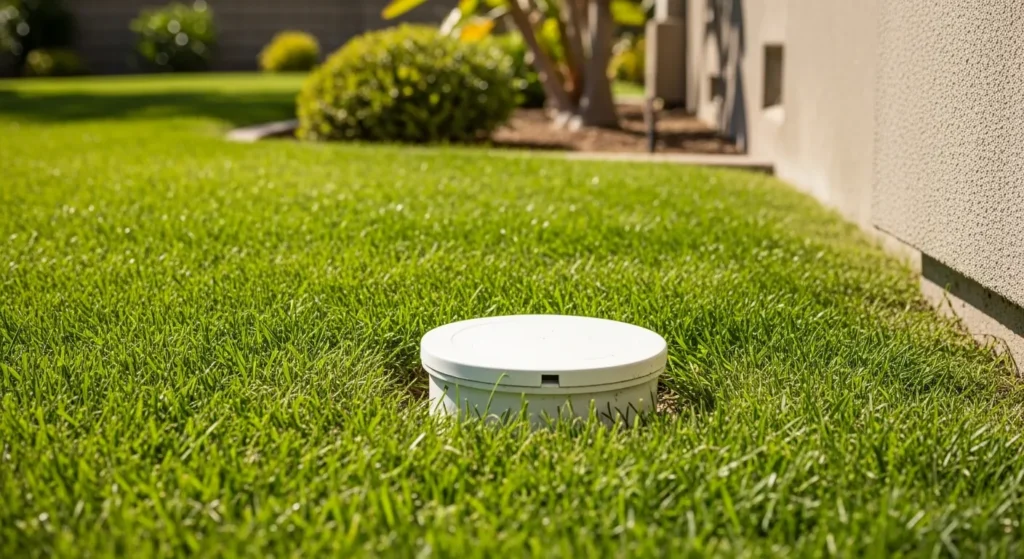
A sewer cleanout is a capped pipe that provides direct access to your home’s main sewer line. It is typically a 3 to 4 inch diameter PVC, ABS, or cast iron pipe with a removable sewer cleanout cap on top. Think of it as a doorway into your sewer system.
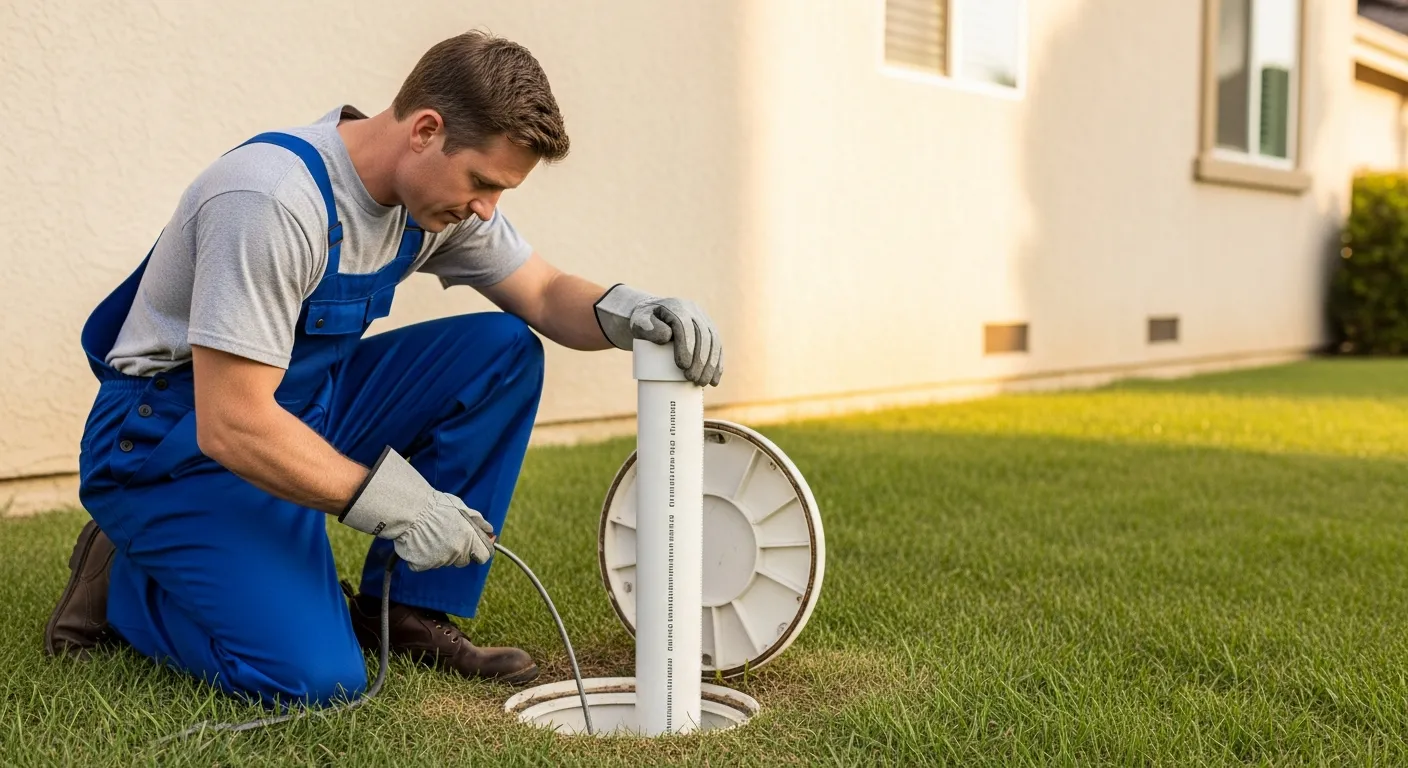
When a plumber needs to clear a clog, run a drain cleaning, perform sewer camera inspection, or conduct hydro jetting, the cleanout is where they access the line. Without a cleanout, these services become significantly more difficult and expensive because the plumber has to find alternative access points, such as removing a toilet or going through the roof vent stack.
The cleanout also serves as a pressure relief point. If your main sewer line gets severely clogged, sewage can back up through the cleanout cap (outside your home) instead of flooding your interior drains, toilets, and showers.
Where Is the Sewer Cleanout Located on Most Homes?
Finding your sewer cleanout location is not always obvious, especially if it has been covered by landscaping, dirt, or concrete over the years. Here are the most common places to look:
- Near the foundation: Check along the exterior walls of your home, particularly on the side facing the street. The cleanout is usually within 5 feet of the foundation.
- Front yard: Many homes have a cleanout in the front yard between the house and the sidewalk or street. This is where the lateral sewer line runs toward the city main.
- Garage or basement: Some homes, especially older Orange County properties, have indoor cleanouts in the garage, basement, or a utility closet.
- Near the bathroom stack: In two-story homes, you may find a cleanout near the main bathroom plumbing stack on the ground floor exterior.
- Under a green or black cap: Look for a small plastic or metal cap at ground level. It may be partially buried or hidden behind bushes.
If you still cannot locate your cleanout, a licensed plumber can find it using a sewer camera or locating equipment. In some cases, older homes may not have one at all, and installing a new sewer access point is highly recommended.
What Are the Different Types of Sewer Cleanouts?
Not all sewer cleanouts are the same. The type you have depends on your home’s age, plumbing material, and local building codes. Here is a comparison of the most common types:
| Type | Location | Material | Common In | Notes |
|---|---|---|---|---|
| Two-Way Cleanout | Exterior, near foundation | PVC or ABS | Homes built after 1980 | Allows snaking in both directions (toward house and toward city main) |
| One-Way Cleanout | Exterior or interior | PVC, ABS, or cast iron | Older and newer homes | Single direction access; may need a second cleanout for full coverage |
| Test Tee Cleanout | Interior (garage, basement) | Cast iron or PVC | Pre-1970 homes | Often used for pressure testing during original construction |
| Flush Cleanout | Floor level (interior) | Brass or PVC | Commercial, some residential | Sits flush with the floor surface; easy to miss |
| Curbside Cleanout | Near the curb or sidewalk | PVC | Required by some municipalities | Provides city access to the lateral sewer line |
Why Does Your Sewer Cleanout Matter for Drain Cleaning?
Your sewer cleanout is not just a cap sticking out of the ground. It is the primary entry point for nearly every professional sewer and drain service. Here is why it matters:
Faster service calls. When a plumber arrives to clear a main sewer line clog, the first thing they look for is the cleanout. If it is accessible and easy to find, the job goes faster, and you pay less in labor.
Camera inspections require it. A sewer camera inspection uses the cleanout to feed a fiber-optic camera through the line. This is how plumbers locate tree root intrusion, pipe collapses, bellied pipes, and other damage without digging.
Hydro jetting access. High-pressure hydro jetting (up to 4,000 PSI) requires a clear entry point. The cleanout provides the ideal opening for the jetting nozzle to blast through grease, scale, and root buildup.
Emergency pressure relief. During a severe backup, an exterior cleanout lets sewage escape outside instead of flooding your home through toilets, showers, and floor drains. This alone can prevent thousands of dollars in water damage.
Cost savings. Without a cleanout, plumbers must find alternative access. That often means pulling a toilet, accessing the vent stack on the roof, or excavating. Each of these alternatives adds $100 to $500+ to the service call.
How Can You Tell If Your Sewer Cleanout Needs Attention?
Your sewer cleanout is a maintenance item, just like any other part of your plumbing. Watch for these warning signs:
- Missing or broken cap: A missing sewer cleanout cap allows dirt, rocks, roots, and debris to enter your sewer line. It also lets sewer gas escape into your yard, creating unpleasant sewer odors.
- Cap stuck or corroded: Older brass or cast iron caps can corrode and seize in place. If you cannot remove the cap with a wrench, do not force it. A plumber can safely remove and replace it.
- Sewage pooling near the cap: If you see standing water or sewage near your cleanout, your main sewer line is likely backed up. This is an emergency situation that requires immediate professional attention.
- Cleanout buried or hidden: If landscaping, concrete, or soil has covered your cleanout, have it exposed and marked. You will be glad you did when an emergency happens at 2 AM.
- Foul odors near the foundation: A sewer smell near your home could indicate a cracked cleanout fitting or missing cap that needs replacement.
What Should You Do If Your Home Does Not Have a Sewer Cleanout?
Some older Orange County homes, particularly those built before the 1970s, may not have a sewer cleanout at all. California Plumbing Code now requires cleanouts on residential sewer laterals, so if your home lacks one, here is what to do:
- Schedule a sewer camera inspection. A camera inspection can map your existing sewer line and identify the best location for a cleanout installation.
- Have a licensed plumber install one. A professional can cut into the existing sewer line and install a two-way cleanout fitting with a proper cap. The process typically takes a few hours.
- Consider adding multiple access points. If your property has a long lateral line or complex plumbing layout, two or more cleanouts may be warranted for complete coverage.
- Check local code requirements. Some Orange County cities require a curbside cleanout in addition to one near the house. Your plumber can advise on local regulations.
Installing a cleanout is a relatively affordable investment (typically $500 to $2,000 in Orange County) that pays for itself the first time you avoid an emergency plumbing bill or interior sewage backup.
How Do You Maintain Your Sewer Cleanout Over Time?
Once you know where your sewer cleanout is, keeping it accessible and in good condition is straightforward:
- Keep it visible. Trim back landscaping and mark the location with a small stake or paint mark so you (and any plumber) can find it quickly.
- Replace damaged caps immediately. A replacement PVC cap costs a few dollars at the hardware store. Make sure it fits snugly to keep out debris and contain sewer gas.
- Do not pave or build over it. If you are planning a patio, driveway, or landscaping project, make sure the cleanout remains accessible. Burying it under concrete creates a much bigger problem later.
- Schedule regular inspections. An annual or biannual sewer camera inspection through the cleanout, along with regular sewer line cleaning, can catch developing problems like root intrusion, pipe corrosion, and buildup before they cause a full backup.
- Know how to open it safely. Use an adjustable wrench, turn counterclockwise, and stand to the side. If the line is backed up, pressure can build behind the cap. When in doubt, call a professional.
When Should You Call a Plumber About Your Sewer Cleanout?
While some cleanout maintenance is DIY-friendly, these situations call for a licensed plumber:
- Sewage is backing up through the cleanout or into your home
- You cannot locate your cleanout anywhere on the property
- The cap is corroded, cracked, or impossible to remove
- You need a sewer line repair or replacement
- You want to install a new cleanout where one does not exist
- Multiple drains in your home are slow or clogged at the same time
Contact 911 Drain Lines and Plumbing at (714) 746-7611 for residential plumbing, sewer cleanout services, camera inspections, and emergency drain cleaning in Orange County.
What Are the Most Common Questions About Sewer Cleanouts?
What does a sewer cleanout look like?
A sewer cleanout typically looks like a white or black PVC pipe cap sticking out of the ground near your home’s foundation. It may also be a brass or cast iron cap on older homes. The cap is usually 3 to 4 inches in diameter and may be round with a square nut on top for easy removal with a wrench.
How many sewer cleanouts does a house have?
Most homes have at least two sewer cleanouts: one near the front of the house (close to where the sewer line connects to the city main) and one near the back or side of the house. Some homes also have indoor cleanouts in the basement, garage, or utility closet. Larger homes or properties with complex plumbing may have additional access points.
Can I open a sewer cleanout myself?
You can open a sewer cleanout cap yourself using an adjustable wrench or pipe wrench. However, be careful: if the line is backed up, raw sewage may be under pressure behind the cap. Open it slowly and stand to the side. For serious clogs or backups, it is best to call a licensed plumber who has the proper equipment and protective gear.
What happens if I do not have a sewer cleanout?
Without a sewer cleanout, clearing a clog or inspecting your sewer line becomes much more difficult and expensive. Plumbers may need to remove a toilet or access the line through the roof vent, which adds labor and cost. Many building codes now require cleanouts for this reason. If your home lacks one, a licensed plumber can install an access point.
How much does it cost to install a sewer cleanout?
The cost to install a sewer cleanout in Orange County typically ranges from $500 to $2,000, depending on the location, depth of the sewer line, and accessibility. Outdoor installations in accessible soil tend to cost less, while indoor installations or those requiring concrete cutting cost more. Contact 911 Drain Lines and Plumbing at (714) 746-7611 for a free estimate.