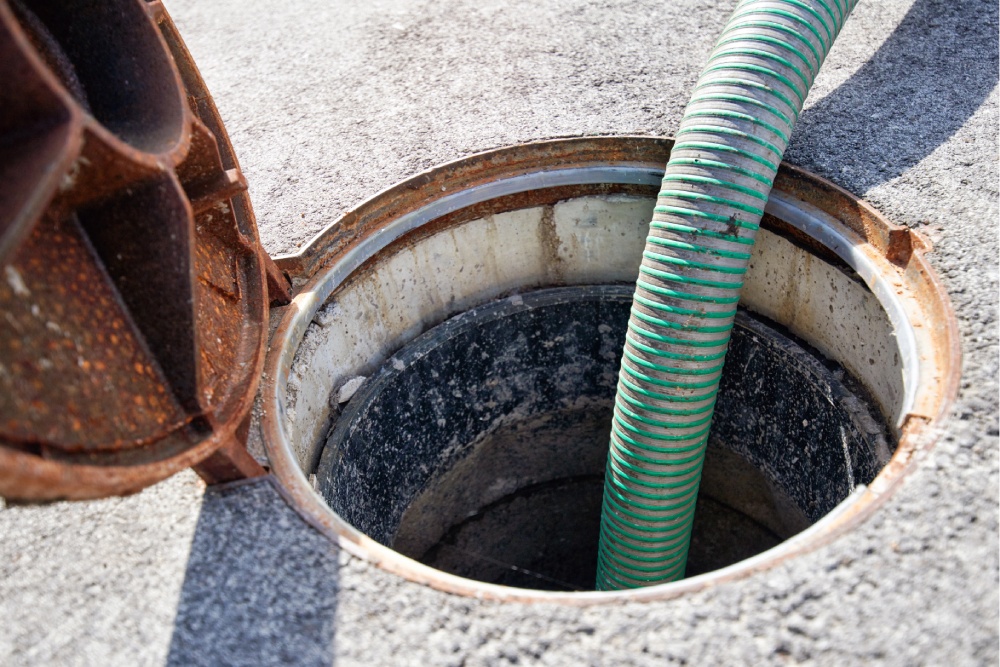




Hidden pipes carry waste from every bathroom and kitchen sink throughout the home. Over the years, debris builds up inside these dark tunnels and slows the flow of water.
Knowing “How often should sewer lines be cleaned?” helps maintain a healthy plumbing system and prevents sudden blockages or unpleasant odors. Tree roots can enter small cracks in the pipes and grow large enough to stop all flow. Regular maintenance keeps water moving efficiently and prevents damage to floors and walls.
What Sewer Line Cleaning Means for Homeowners’ Costs
Professional plumbers use high-pressure water tools to remove grease and stubborn debris from pipe walls. Specialized cameras travel through the system to detect cracks or root growth before major problems occur.
Routine cleaning protects homeowners from the massive expense of replacing a collapsed pipe buried deep under the yard. Preventative care costs far less than emergency repairs in the middle of the night.
A flooded basement can cost thousands of dollars because dirty water destroys wood floors and drywall quickly. Regular maintenance acts like insurance, keeping the main sewer line flowing smoothly every day. Neglecting these pipes leads to backups in tubs, showers, and sinks without warning.
How Often Sewer Lines Should Be Cleaned Professionally
Most homes benefit from a professional cleaning every eighteen to twenty-four months to keep the main lines clear. Older houses with clay pipes need more frequent attention because tree roots invade these joints more easily than plastic. Regular inspections catch small problems early, allowing a plumber to remove scale buildup before a complete blockage occurs.
Certain warning signs indicate immediate cleaning is needed before a pipe failure happens. Gurgling toilets, slow drains, or water backing up into sinks suggest debris has blocked the pipe. Heavy kitchen grease and soap scum create sticky layers that trap hair and food scraps deep inside drains. Routine jetting removes these layers and restores the full diameter of the sewer line.
Signs Your Sewer Line Needs Immediate Cleaning Service
- Slow Drains: Water disappears from the sink or bathtub much more slowly than it did just a few weeks ago. This common problem suggests that thick debris or heavy grease layers now coat the inner walls of the plumbing pipes throughout the house.
- Gurgling Toilets: Air bubbles trapped inside the pipes create loud popping or gurgling noises when the toilet flushes. This sound means the waste cannot flow freely past a clog and air must escape back through the water trap in the bathroom fixture.
- Foul Odors: Rotten egg smells drifting from the floor drains indicate that raw sewage sits stagnant inside the line. Bacteria grow rapidly in these standing pools of waste and release dangerous gases that make the air inside the living space very unpleasant.
- Multiple Clogs: Plumbing fixtures on the lowest floor of the house back up at the exact same time during use. When the kitchen sink and the laundry drain fail together, the main sewer line almost certainly has a deep blockage requiring professional tools.
Factors That Affect Sewer Line Cleaning Frequency Schedules
Different conditions determine how quickly waste builds up and blocks the flow of water out of the house. Understanding these specific variables helps establish a perfect maintenance plan that keeps the plumbing system running well without any unexpected drain disasters.
- Pipe Age: Older pipes made from clay or cast iron develop rough surfaces that catch hair and solid waste very easily. These vintage materials also crack as the ground shifts over time, which allows dirt and rocks to enter the sewer system frequently.
- Tree Roots: Large trees growing near the main sewer line send tiny roots into pipe joints to find water. These roots grow quickly into thick mats that trap everything moving through the pipe and cause a complete stoppage of the entire plumbing system.
- House Size: Large buildings with many bathrooms put much more stress on the main drain line every single day. Increased water usage means more grease and soap scum travel through the pipes, which leads to faster buildup than in a small house with one resident.
- Waste Habits: Flushing heavy paper products or pouring cooking oil down the kitchen sink creates massive clogs very quickly. These materials stick to the pipe walls and harden into solid masses that require high-pressure water jetting to remove from the line.
Recommended Cleaning Intervals for Residential Sewer Line Systems
Standard family homes perform best when a professional plumber cleans the main sewer line every two years. This schedule allows technicians to remove normal buildup before it hardens into a blockage that restricts water flow.
Regular maintenance keeps pipes clear and prevents the sudden stress of a backup during busy mornings. Clear lines move waste efficiently and help the entire plumbing system function reliably for the long term.
Homes with many children or frequent guests may benefit from a professional cleaning every twelve months. Higher water usage carries more debris through the pipes, increasing the likelihood of localized clogs forming near the house. Annual service identifies early problems such as minor root intrusion or sagging pipe sections before they escalate into emergency repairs.
Recommended Cleaning Intervals for Commercial Sewer Line Systems
Restaurants and large office buildings need monthly or quarterly cleaning to manage heavy daily use. Commercial kitchens discharge large amounts of grease and food particles into the drains, which quickly create thick sludge.
Frequent hydro jetting removes these deposits and prevents unpleasant plumbing backups that could disrupt operations. Maintaining clean pipes helps businesses comply with health codes and avoid revenue loss from unexpected closures.
Retail stores and apartment complexes should schedule professional sewer line cleaning at least twice per year. High traffic and continuous water use put constant pressure on the sewer system. Regular inspections detect cracks or leaks early, so property managers can make repairs without disturbing tenants or shoppers.
Choosing a Licensed Sewer Line Cleaning Company Locally
Finding the right team involves checking for current state licenses and valid insurance papers to protect the home during repairs. Expert technicians use modern camera tools to see exactly what causes a clog before they start any work.
Local companies respond quickly to emergencies and understand the specific soil conditions that affect underground pipes in the neighborhood. Verify recent online reviews to see how the team handles difficult plumbing issues for other nearby residents.
Professional plumbers offer clear pricing and explain exactly how they plan to fix the drain problem before starting the job. Skilled teams hold licenses for both plumbing and general contracting to handle every part of a complex pipe repair. This broad expertise means the crew can fix the pipe and also repair any walls or floors they opened.
Call 911 Drain Lines Today for Scheduled Sewer Cleaning and Emergency Drain Help Services
If backups, odors, or slow drains keep returning, planned cleaning saves money and protects pipes long term every single year. We deliver fast help for homes and businesses with drain cleaning, sewer jetting, and hydro jetting services.
Choose professional sewer line repair services in California when roots, grease, or scale threaten flow and reliability.
Our crews answer calls around the clock, arrive quickly, price work fairly, and restore service without delays.
Engineers and general contractors on staff handle inspections, trenchless replacements, and full restoration under one roof.
Contact 911 Drain Lines now to schedule service and follow a routine that answers “How often should sewer lines be cleaned for your property?”