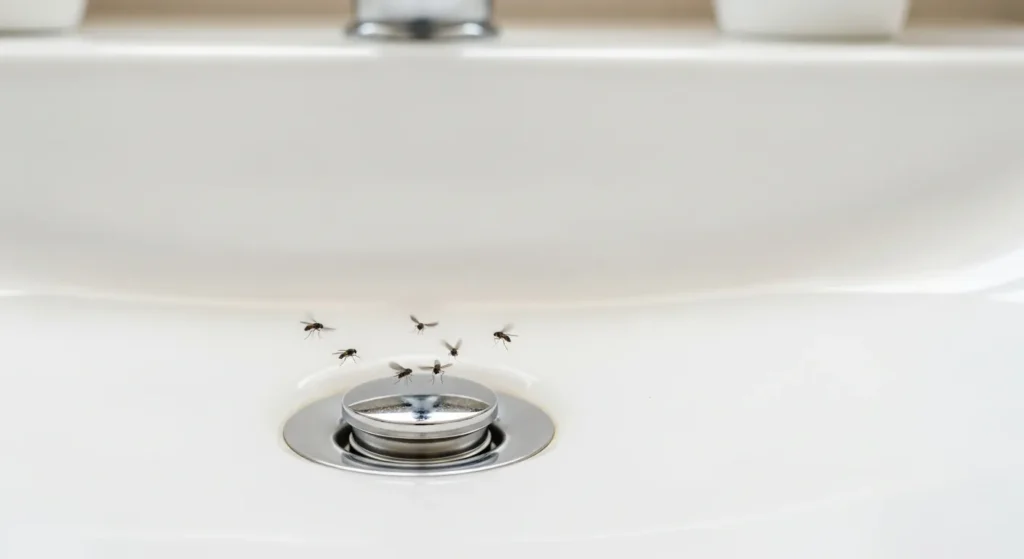




Drain flies, also known as moth flies or sewer gnats, are tiny, fuzzy-winged insects that breed inside the organic buildup lining your drains. While they do not bite or carry diseases, a drain fly infestation signals an underlying plumbing issue that can worsen over time. If you have noticed clusters of small, moth-like bugs hovering near sinks, showers, or floor drains in your Orange County or Inland Empire home, you are likely dealing with drain flies. The good news is that eliminating them starts with understanding where they come from, why they multiply, and how to stop them for good.
Contact 911 Drain Lines and Plumbing or call (714) 909-1911 for professional drain cleaning that eliminates drain flies at the source.
What Are Drain Flies and Why Should You Care?
Drain flies (family Psychodidae) are small insects, typically 2 to 5 millimeters long, with large, leaf-shaped wings covered in fine hairs. They are weak fliers and tend to rest on walls and ceilings near moisture sources. You will most often spot them in bathrooms, kitchens, laundry rooms, and basements.
Although drain flies are not dangerous, they reproduce rapidly. A single female can lay 30 to 100 eggs at a time, and the entire lifecycle from egg to adult takes just 8 to 24 days. That means a minor nuisance can become a full-blown infestation within weeks if you do not address the root cause.
Drain flies are more than just a cosmetic problem. Their presence often indicates stagnant water, sewer gas buildup, or deteriorating pipes, all of which deserve attention before they lead to costlier repairs.
What Causes Drain Flies in Your Home?
Drain flies lay their eggs in the slimy organic film that coats the inside of pipes. This biofilm is made up of decomposing food, hair, grease, soap scum, and bacteria. Any drain that stays consistently moist and develops buildup becomes a potential breeding ground.
Common causes include:
- Slow or partially clogged drains that hold standing water and organic residue. If you are dealing with slow drains, learning how to unclog a drain is a smart first step.
- Infrequently used drains where stagnant water sits in the P-trap, such as guest bathroom sinks, floor drains in garages, or basement utility sinks.
- Leaking pipes that create hidden moisture behind walls or under slabs.
- Garbage disposals with buildup that are not cleaned regularly.
- Broken or damaged sewer lines that allow sewage to seep into surrounding soil and attract pests.
- Shower drains clogged with hair, creating the perfect moist environment. Here is a guide on how to unclog a shower drain if that applies.
How Can You Identify a Drain Fly Infestation?
Before you start treatment, confirm that you are actually dealing with drain flies and not fruit flies, fungus gnats, or another insect. Here is how to tell:
- Appearance: Drain flies have a fuzzy, moth-like look. Their bodies and wings are covered in tiny hairs, giving them a distinctly rounded silhouette. Fruit flies, by contrast, are smoother with red eyes.
- Location: Drain flies cluster near drains, not around food or fruit. You will find them resting on bathroom walls, shower tiles, or near floor drains.
- Flight pattern: They fly in short, hopping bursts rather than smooth, sustained flight.
The tape test: Place a strip of clear tape over a suspect drain at night, sticky side down. Leave a gap for airflow. In the morning, check the tape for trapped flies. If you find any, that drain is a breeding site. Repeat on multiple drains throughout your home to identify all problem areas.
What DIY Methods Work for Getting Rid of Drain Flies?
Once you have identified the affected drains, you can start with DIY methods to remove the biofilm and eliminate the breeding habitat. Keep in mind that killing the adult flies alone will not solve the problem. You must destroy the organic buildup where the larvae live.
Baking Soda and Vinegar Flush
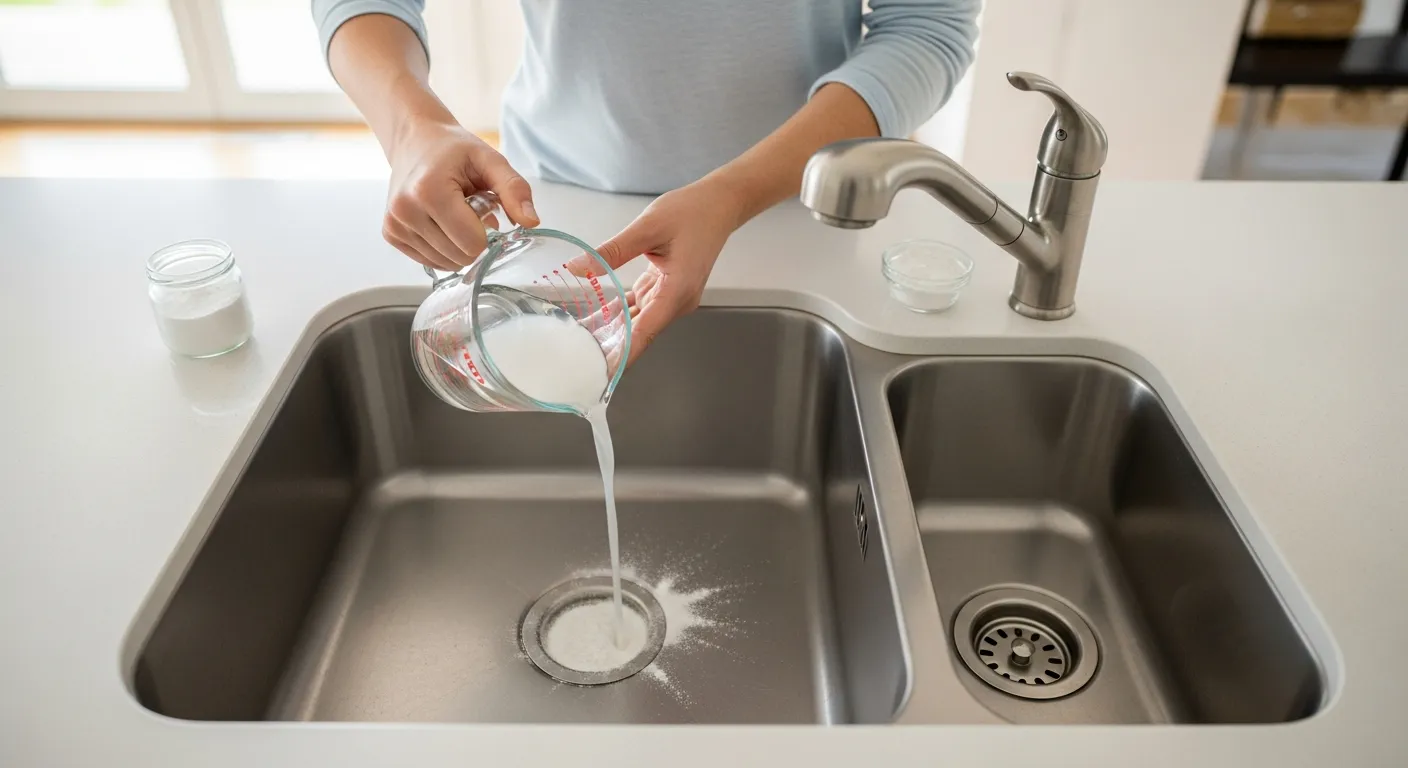
Pour half a cup of baking soda down the drain, followed by half a cup of white vinegar. Let it fizz for 15 to 20 minutes, then flush with boiling water. This helps dissolve organic buildup. For best results, do this daily for a week. If you want a more detailed guide, check out our full drain unclogging walkthrough.
Enzyme Drain Cleaners
Bio-enzymatic drain cleaners use natural enzymes and bacteria to eat through organic buildup without damaging pipes. Apply them at night when the drain will not be used for several hours, allowing maximum contact time. These are a safer alternative to chemical drain cleaners.
Mechanical Cleaning
Use a drain brush or plumbing snake to physically scrub the inside of the drain pipe. This removes the slimy biofilm that commercial products sometimes leave behind. A drain brush combined with an enzyme cleaner provides the most thorough DIY result.
Boiling Water
Pouring boiling water down the drain twice daily can kill larvae and loosen buildup. This works best as a supplement to other methods, not as a standalone treatment. Avoid using boiling water on PVC pipes if your home has older plumbing, as extreme heat can soften the joints.
Apple Cider Vinegar Trap
Fill a bowl with apple cider vinegar and add a few drops of dish soap. Cover with plastic wrap and poke small holes. Adult flies will be attracted to the vinegar and get trapped. This reduces the adult population while you treat the drains, but it does not address the larvae.
How Do Drain Fly Removal Methods Compare?
| Method | Estimated Cost | Effectiveness | Difficulty | Best For |
|---|---|---|---|---|
| Baking Soda and Vinegar | Under $5 | Moderate | Easy | Light buildup, single drains |
| Enzyme Drain Cleaner | $10 to $25 | Good | Easy | Ongoing maintenance, moderate buildup |
| Drain Brush/Snake | $10 to $30 | Good | Moderate | Stubborn biofilm, accessible drains |
| Boiling Water | Free | Low to Moderate | Easy | Supplemental treatment only |
| Professional Drain Cleaning | Varies by scope | Excellent | None (handled by pros) | Recurring infestations, deep clogs, sewer line issues |
When Should You Call a Professional for Drain Flies?
DIY methods work well for minor cases, but some situations require professional help:
- Drain flies keep returning after weeks of home treatment, suggesting a deep clog or damaged pipe you cannot reach.
- Multiple drains are affected, indicating a systemic plumbing issue rather than localized buildup.
- You notice a persistent sewer smell along with the flies, which could mean a broken sewer line, dried-out P-trap, or venting problem.
- The drain is completely clogged and water is not flowing. Learn the signs in our guide to unclogging a bathroom sink.
- You suspect a slab leak or hidden moisture source behind walls that is creating a breeding environment.
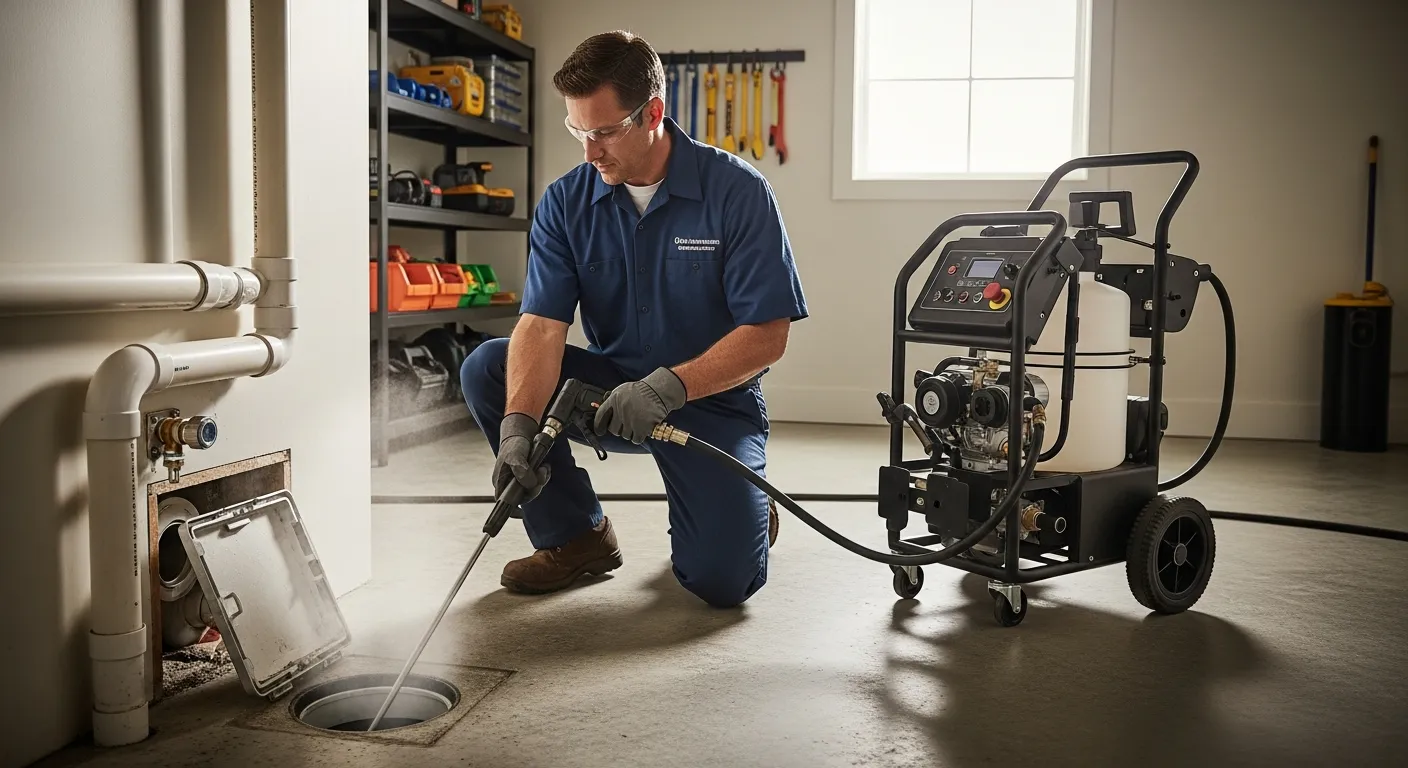 A licensed plumber can use hydro jetting to blast away years of buildup inside your pipes, sewer camera inspection to identify cracks or breaks, and professional-grade treatments that address the root cause. At 911 Drain Lines and Plumbing, we serve homeowners throughout Orange County and the Inland Empire with comprehensive drain cleaning services designed to solve the problem permanently.
How Can You Prevent Drain Flies from Coming Back?
Prevention is far easier than treatment. Once you have eliminated an infestation, follow these habits to keep drain flies from returning:
- Run water in every drain weekly. Flush infrequently used drains (guest bathrooms, basement sinks, garage floor drains) with water at least once a week to keep the P-trap full and prevent stagnant water from accumulating.
- Clean drains monthly. Use an enzyme drain cleaner or a baking soda and vinegar flush once a month to prevent biofilm from building up.
- Install drain screens. Mesh screens catch hair, food debris, and other organic matter before it enters the pipe, reducing the material that feeds drain fly larvae.
- Fix leaks promptly. Even a small drip under a sink can create enough moisture to support a colony. Repair leaky faucets, pipes, and connections as soon as you notice them.
- Keep garbage disposals clean. Run cold water before and after using the disposal, and periodically grind ice cubes with a small amount of salt to scrub the interior.
- Schedule annual drain maintenance. Professional drain cleaning once a year keeps your entire plumbing system clear and reduces the risk of pest-friendly buildup forming deep in the pipes.
Are Drain Flies a Sign of a Bigger Plumbing Problem?
Sometimes, yes. While most drain fly infestations result from simple organic buildup, persistent or widespread infestations can indicate:
- Cracked sewer lines that allow sewage to pool underground and attract pests.
- Broken or missing P-traps that fail to create the water seal needed to block sewer gas and insects from entering your home.
- Bellied pipes (sagging sections of pipe) where water and waste collect, creating ideal breeding conditions.
- Root intrusion in older clay or cast-iron sewer lines, which creates blockages and pockets of standing waste.
If you have tried every DIY method and drain flies persist, a sewer camera inspection can reveal what is going on inside your pipes. Identifying these issues early prevents expensive emergency repairs down the road.
Schedule a professional drain inspection with 911 Drain Lines and Plumbing or call (714) 909-1911 to get rid of drain flies for good.
Since drain flies are attracted to the organic buildup in slow or clogged drains, clearing the blockage is the most effective long-term solution. Read our complete guide to dealing with clogged drains for step-by-step instructions.
Frequently Asked Questions About Drain Flies
Do drain flies bite or spread disease?
No. Drain flies do not bite humans or pets, and they are not known to transmit diseases. However, their presence indicates unsanitary conditions inside your drains that should be addressed.
How long does it take to get rid of drain flies?
With consistent treatment, most minor infestations clear up within one to two weeks. You need to eliminate the larvae and biofilm, not just the adults. Severe or recurring cases may take longer and often require professional drain cleaning.
Can bleach kill drain flies?
Bleach can kill adult flies on contact, but it is not effective at removing the biofilm where larvae live. It also evaporates quickly and can damage pipes with repeated use. Enzyme cleaners and mechanical cleaning are more effective and safer for your plumbing.
Why do drain flies keep coming back?
Recurring infestations usually mean the organic buildup inside the pipe has not been fully removed, or there is a deeper plumbing issue like a cracked sewer line, bellied pipe, or persistent clog that creates standing water. Professional hydro jetting clears the entire pipe interior.
Where do drain flies come from?
Drain flies enter your home through open windows, doors, or damaged drain seals. They are attracted to moisture and organic matter. Once inside, they lay eggs in the slimy film coating your drain pipes. Any drain with standing water or slow drainage can become a breeding site.