



A gurgling toilet during your morning shower is more than a noisy nuisance. It usually signals a trapped air bubble fighting its way through a blocked main line.
Need a plumber now? Call 911 Drain Lines and Plumbing 24/7 at 714-746-7611!
The toilet gurgles when shower drains because air is being pulled through the toilet trap to fill a vacuum in the pipes. This often happens when a clog in the main drain line or a blocked vent pipe slows the flow of air. When air cannot move freely, the water from your shower forces air to find a new path, which creates that distinct bubbling sound. According to the Environmental Protection Agency, these sounds often suggest air is being pulled through the trap due to a blockage in the main line. If you ignore this sound, it could lead to a full sewage backup or slow drainage in other parts of your home. Fixing this issue often means clearing a deep clog or checking the vent stack on your roof for debris.
Ignoring a few bubbles is risky because this noise is a clear warning for your pipes. Finding the root cause is the only way to avoid a messy drain failure. We will begin by looking at the most common causes of this plumbing issue.
Why My Toilet Gurgles When Shower Drains: Shared Drain Blockages?
Shared drain blockages are one of the main reasons a toilet gurgles when the shower drains. When grease, hair, and soap scum build up in your home’s main pipe, they restrict wastewater flow. This blockage creates a vacuum that pulls air through your toilet’s P-trap, resulting in the gurgling sounds you hear.
When a toilet gurgles, it often points to a clog in your home’s main drain line. This shared pipe handles wastewater from all fixtures, including showers and sinks. Blockages build up slowly, often from hair, soap scum, or grease. These items combine and stick to the inside of the pipes, narrowing the path for water.
How Do Shared Drain Clogs Affect Toilets?
Think of your home’s drain system as a single network. When a blockage forms in the shared drain, it creates a vacuum effect. As water from a draining shower or sink tries to pass the clog, it pulls air from the nearest open pipe. For many homes, this is the toilet drain.
This air gets sucked into the toilet’s P-trap, which is the curved pipe holding standing water. The gurgling sound you hear is air bubbling through this water. It is the drain system struggling to equalize pressure around the blockage, making the toilet act like a vent.
Toilet Trap vs. Shower Trap: What is the Difference?
Each fixture has its own trap to prevent sewer gases from entering your home. A toilet trap is built into the porcelain itself, always full of water. A shower trap is usually located under the drain and also holds water. While both prevent gases, the toilet’s larger trap and direct connection to the main stack make it a common exit point for air when shared lines are blocked.
A clog in the main line means wastewater has nowhere to go. This can cause slow drainage in multiple fixtures and eventually lead to sewage backing up into tubs or showers. Fixing a shared drain blockage often requires professional drain cleaning services to clear the obstruction deep within the pipe.
Plumbing Venting Issues: Why Does Your Toilet Bubble?
Plumbing venting issues, particularly a clogged vent stack, are a primary cause of gurgling toilets. Your plumbing system requires open vent lines on the roof to equalize air pressure. When leaves, nests, or snow block these vents, a vacuum forms, pulling replacement air directly through your toilet bowl trap.
How Does Your Plumbing Vent Work?
A home’s plumbing system needs air to work right. Drainpipes carry wastewater away, but they also need ventilation. Vent pipes, often called vent stacks, extend from your drain lines through the roof of your house. These vents let fresh air into the system, which helps water flow smoothly and prevents vacuums. Without proper venting, water struggles to move through the pipes.
The main job of a plumbing vent is to balance air pressure. When water drains, it pushes air ahead of it and pulls air behind it. The vent pipe allows air to enter the system, stopping negative pressure from forming. This balance keeps water moving and prevents sewer gases from entering your home through drain traps.
What Are the Common Causes of Vent Blockages?
Plumbing vents can get blocked by various things, especially since they open to the outside. Leaves, dirt, bird nests, and even small animals can fall into the vent pipe and create a clog. In colder climates, ice and snow buildup around the vent opening can also block the airflow. These blockages can happen slowly over time, making symptoms appear gradually.
Sometimes, construction debris, like pieces of shingle or wood, can fall into the vent during roof work. It is also possible for a vent pipe to become partially blocked by tree roots growing too close to the system. Though this is less common for vertical vent stacks. Regularly checking and clearing your roof vents can help prevent these issues.
What Is the Bubbling Toilet Effect?
When a plumbing vent is blocked, air can’t enter the system freely as water drains. This creates a vacuum, or negative pressure, inside the pipes. The vacuum then tries to pull air from the easiest place it can find it, often through the water in your toilet’s P-trap. This pulling action causes the distinctive gurgling or bubbling sound you hear.
For example, if you flush a toilet or drain a shower and hear another toilet gurgle, it is a clear sign of a vent problem. Learn more about signs of a clogged plumbing vent and how to fix it. The draining water pulls air, and the blocked vent means the air comes from the toilet trap instead of the roof vent.
Main Sewer Line Problems: Are Structural Failures the Cause?
Main sewer line problems, including tree root intrusion and sagging pipes, often cause widespread toilet bubbling when fixtures drain. Structural failures restrict the exit of municipal wastewater from your home. If left untreated, these sewer line issues will progress from simple gurgling sounds to major sewage backups.
When you hear gurgling from your toilet as the shower drains, it often points to a problem within your main sewer line. This is the large pipe that carries all wastewater from your home to the municipal sewer system or a septic tank. Unlike isolated clogs that affect just one fixture, main line issues impact your entire plumbing system, causing widespread drainage problems and unpleasant backups.
Is Tree Root Intrusion Blocking Your Pipes?
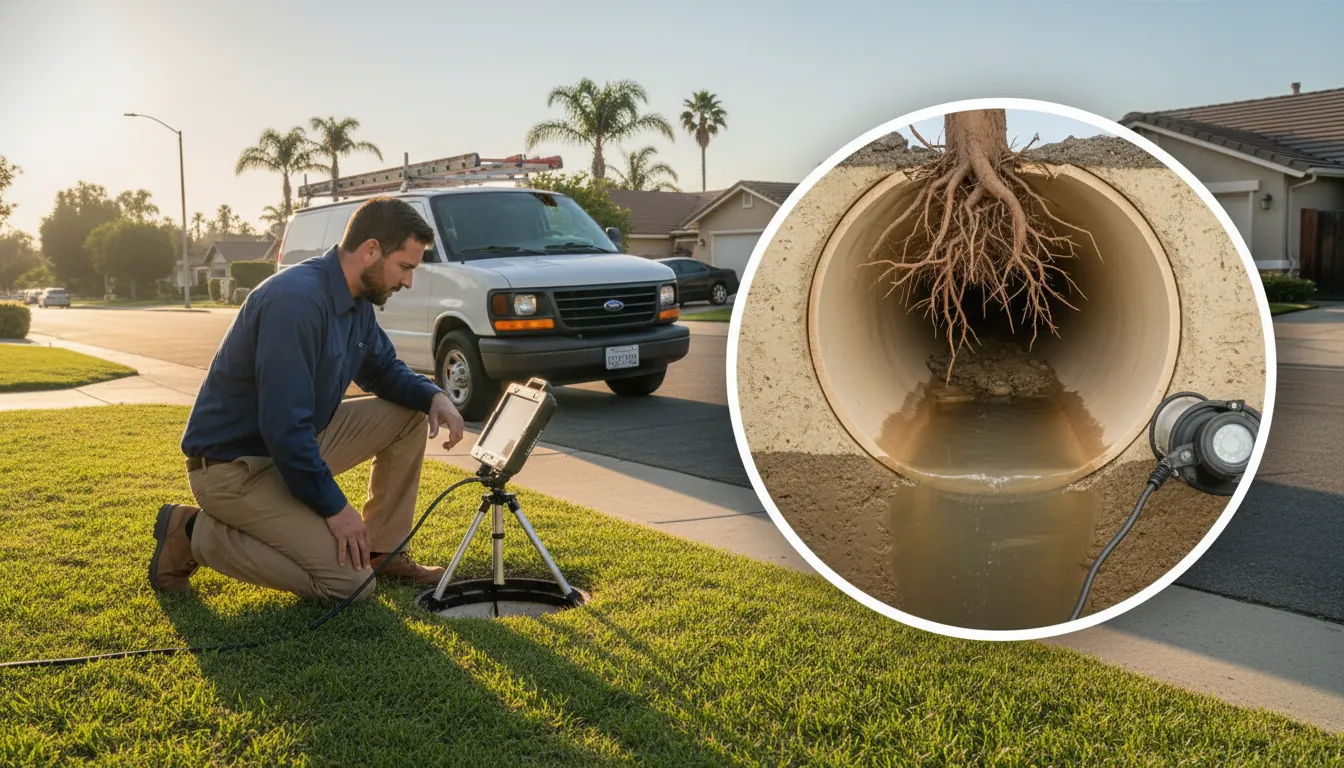
One common culprit for main sewer line damage is tree roots. Trees naturally seek out water sources, and the tiny cracks or loose joints in sewer pipes provide an inviting entry point. Once inside, these roots grow, forming dense blockages that trap debris and restrict wastewater flow. This can lead to slow drains, recurring clogs, and eventually, raw sewage backing up into your home. A professional sewer camera inspection is the best way to detect root issues.
Do You Have Sewer Line Bellies or Sagging Pipes?
Another structural problem is a “belly” in the sewer line. This occurs when a section of the pipe sags, creating a low spot where water and solid waste can collect instead of flowing freely. Over time, this buildup forms a stubborn blockage that is difficult to clear and can lead to recurrent backups. Bellies often happen due to unstable soil conditions or improper installation. Homeowners dealing with repeated clogs should learn about sewer line bellies and how they impact drainage.
Are Serious Blockages Causing Structural Damage?
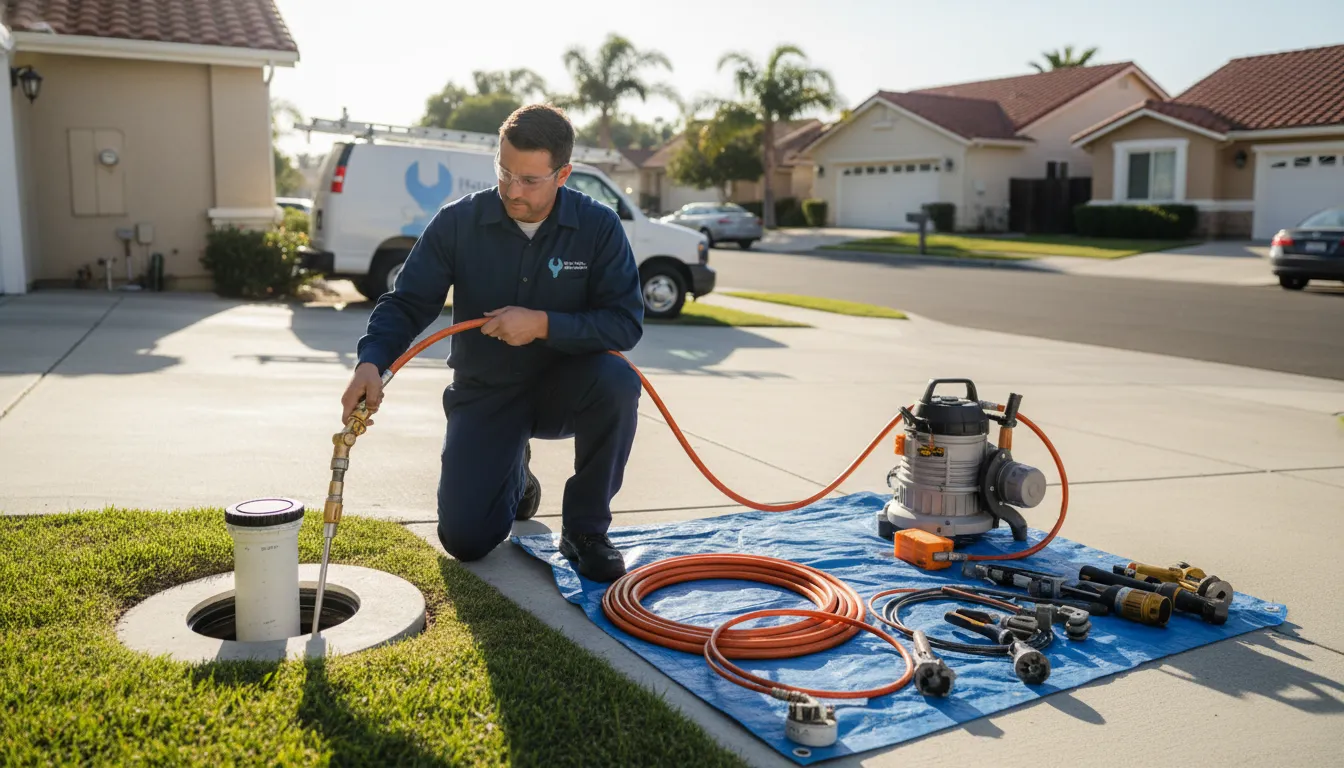
Beyond tree roots and bellies, severe blockages from accumulated grease, non-flushable items, or collapsed pipes can also cause main sewer line issues. These blockages prevent any wastewater from leaving your home, leading to gurgling sounds, foul odors, and eventual overflows. To understand your options for clearing these blockages, you can read our hydro jetting vs snaking comparison to see which method is right for your home. Knowing the sewer camera inspection cost upfront can also help you plan for a diagnostic call.
| Method | Best For | How It Works | Expected Lifespan |
|---|---|---|---|
| Sewer Line Snaking | Minor or soft blockages like hair and paper. | A steel cable punches a hole through the clog. | Temporary fix; clears only immediate blockages. |
| Hydro Jetting | Severe grease, tree roots, and heavy scale. | High-pressure water scrubs pipe walls completely clean. | Long-lasting solution; restores pipe to like-new state. |
How to Stop Toilet Gurgling: Safe Home Troubleshooting Steps?
To stop a toilet from gurgling, begin with safe residential troubleshooting steps like plunging and clearing nearby secondary drains. These methods can often dislodge localized blockages. However, avoid chemical drain cleaners as they damage pipes, and call a professional if symptoms suggest a main sewer line or vent stack issue.
A gurgling toilet often signals a clog somewhere in your plumbing system. This sound usually means air is trapped, or water is moving slowly. Before you call a plumber, there are several steps you can take to diagnose and potentially fix the issue yourself. These troubleshooting steps can help resolve minor clogs and vent problems, saving you time and money.
-
Plunge the Toilet Thoroughly
Use a sturdy toilet plunger to create a strong seal around the drain. Plunge vigorously 10-15 times. This action can dislodge clogs within the toilet trap or closer drain lines. Repeat if needed, ensuring a good seal each time. Sometimes, a simple plunge is enough to clear the obstruction causing the gurgle.
-
Check Nearby Drains for Clogs
If plunging doesn’t help, inspect other drains in the bathroom, like the sink or shower. A clog in a shared drain line can cause negative pressure, leading to toilet gurgling. Clear any visible blockages or slow drains using a plunger or a drain snake if accessible. Multiple slow drains often point to a deeper issue.
-
Inspect the Toilet Vent Pipe
The gurgling can also mean a blocked vent pipe. This pipe allows air into the plumbing system, preventing vacuum issues. You can often check the vent pipe from your roof. Look for leaves, nests, or other debris near the vent opening. If safe to do so, clear any obstructions. Be careful on the roof and consider hiring a professional if you are uncomfortable.
-
Avoid Chemical Drain Cleaners
Never use chemical drain cleaners to fix a gurgling toilet. These products contain harsh chemicals that can damage your pipes over time. They are also harmful to the environment and can pose a health risk. For persistent clogs, mechanical methods like snaking are much safer and more effective. Chemicals can worsen the problem by corroding pipes or creating difficult-to-remove residues.
-
When to Call a Professional Plumber
If these steps do not stop the gurgling, or if you suspect a main sewer line clog, it is time to call a professional plumber. Signs of a main line issue include multiple fixtures gurgling or backing up. A plumber has specialized tools to diagnose and clear complex blockages safely and effectively. Addressing severe clogs early prevents bigger problems.
By following these steps, you can often resolve common toilet gurgling issues. Remember to prioritize safety and avoid harmful chemicals. If the problem persists, professional help ensures a lasting solution for your plumbing system.
Frequently Asked Questions
Why does my toilet gurgle when the shower drains?
A gurgling toilet when the shower drains usually signals a clog or issue in your plumbing vent system. When water flows down the shower drain, it creates negative pressure. If the vent pipe is blocked, the system pulls air from the easiest source, which is often the toilet trap, causing the gurgle.
What causes a plumbing vent to get blocked?
Plumbing vents can become blocked by a variety of things. Common culprits include bird nests, leaves, and other debris that fall into the open pipe on your roof. In older homes, rust or mineral buildup inside the vent pipe can also restrict airflow, leading to pressure imbalances in your drain system.
Can a gurgling toilet lead to bigger plumbing problems?
Yes, a gurgling toilet can be a warning sign of more serious plumbing issues. If left unaddressed, a blocked vent or a partial clog can worsen, potentially leading to slow drains, sewage backups, or unpleasant odors in your home. Early detection and repair can prevent costly repairs later on.
How do I fix a gurgling toilet caused by a shower?
To fix a gurgling toilet caused by a shower, you should first check for and clear any clogs in the shower drain itself. If the gurgling persists, the problem likely lies in a blocked vent pipe. You may need to access the vent on your roof to remove debris or call a professional plumber for assistance.
Ready to Fix Your Gurgling Toilet?
Ignoring a gurgling toilet can lead to bigger, more costly plumbing problems down the line. Each day you wait, minor clogs can worsen, potentially causing backups and damage. Acting now saves you time, money, and stress by addressing the issue before it escalates.
Ready to schedule a professional sewer camera inspection or drain cleaning with 911 Drain Lines and Plumbing? Call 714-746-7611 to schedule your service with 911 Drain Lines and Plumbing today.