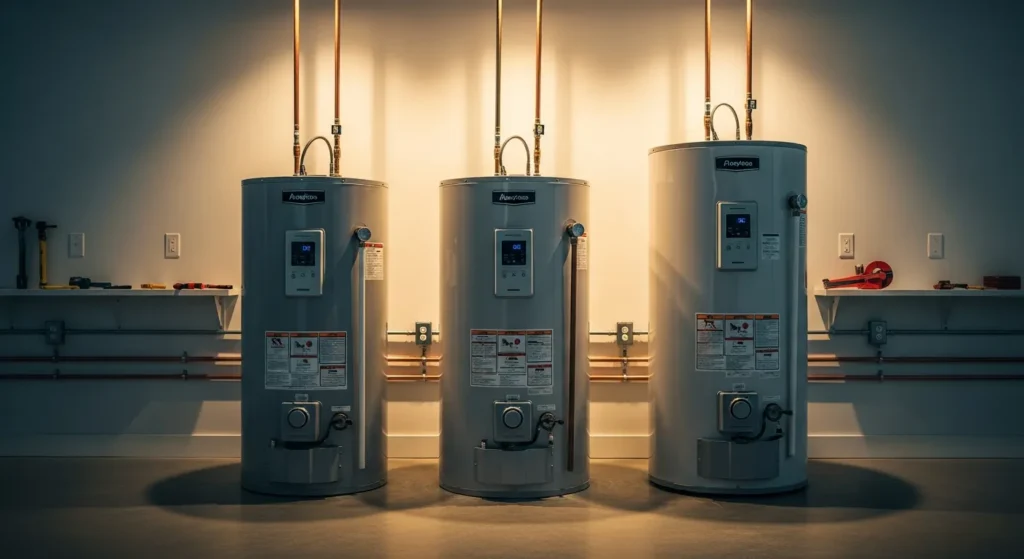




Choosing the right water heater size is one of the most important decisions you can make for your home’s comfort and energy efficiency. A unit that’s too small leaves you shivering mid-shower, while an oversized tank wastes energy heating water you never use. This guide breaks down everything you need to know to pick the perfect water heater size for your household.
Contact 911 Drain Lines and Plumbing or call (714) 909-1175 for expert water heater sizing and installation.
Why Does Water Heater Size Matter?
Your water heater is responsible for every hot shower, load of laundry, and dishwasher cycle in your home. If the tank is too small, you will run out of hot water during peak usage times. If it is too large, you are paying to keep extra gallons of water heated around the clock. The right size saves money on utility bills, extends the life of the unit, and keeps your family comfortable year-round.
According to the U.S. Department of Energy, water heating accounts for roughly 18% of a home’s total energy use. Selecting the correct tank size is one of the easiest ways to reduce that cost without sacrificing comfort.
How Many Gallons Does Your Household Need?
The most straightforward way to estimate tank size is by the number of people in your home. Here is a general guideline:
| Household Size | Recommended Tank Size | First-Hour Delivery (FHR) | Best For |
|---|---|---|---|
| 1 to 2 people | 30 to 40 gallons | 40 to 50 gallons | Apartments, condos, small homes |
| 3 to 4 people | 40 to 50 gallons | 50 to 60 gallons | Average single-family homes |
| 4 to 5 people | 50 to 60 gallons | 60 to 80 gallons | Larger families, multiple bathrooms |
| 5+ people | 60 to 80 gallons | 80+ gallons | Large homes, high hot water demand |
These numbers assume standard usage patterns. If your household runs the dishwasher, washing machine, and showers simultaneously, size up by 10 to 15 gallons.
What Is First-Hour Delivery Rating and Why Does It Matter?
First-hour delivery rating (FHR) measures how many gallons of hot water a heater can produce in the first hour of use starting with a fully heated tank. This number is often more important than tank capacity because it tells you how much hot water is available during your busiest times.
For example, a 50-gallon tank with a high FHR can outperform a 60-gallon tank with a lower FHR during peak morning routines. When comparing water heaters, always check the yellow EnergyGuide label for the FHR number and match it to your household’s peak-hour demand.
To estimate your peak-hour demand, add up the hot water used by each activity during your busiest hour:
- Shower: 10 to 15 gallons per person
- Shaving: 2 gallons
- Dishwasher: 6 gallons per load
- Washing machine (hot cycle): 7 gallons per load
- Hand washing dishes: 4 gallons
Should You Choose a Tank or Tankless Water Heater?
Tank water heaters store a set volume of hot water and reheat it as you use it. Tankless (on-demand) water heaters heat water only when a faucet or appliance calls for it, providing an essentially unlimited supply.
Tank water heaters are less expensive upfront, simpler to install, and work well for homes with predictable usage. They come in a range of sizes from 30 to 80 gallons, making it easy to find one that matches your demand. Installation is straightforward since the unit sits on the floor in a utility closet, garage, or basement. Tankless units cost more initially but save on energy bills over time and never run out of hot water. For a detailed comparison, see our guide on tankless vs. tank water heaters.
If you go with a tankless unit, sizing is based on flow rate (gallons per minute) rather than tank capacity. A typical household needs 7 to 10 GPM to run multiple fixtures at once. A single tankless unit rated for 8 GPM can supply two showers and a kitchen faucet simultaneously in most cases. For homes with very high demand, some installers recommend two smaller units placed closer to the point of use rather than one large central unit.
What Role Does Climate Play in Water Heater Sizing?
The temperature of the water entering your home directly affects how hard your water heater has to work. In colder regions where groundwater arrives at 40 to 50 degrees Fahrenheit, the heater must raise the temperature by 70 to 80 degrees to reach a comfortable 120 degrees. In Southern California, groundwater typically enters at 60 to 65 degrees, meaning the heater only needs to raise it 55 to 60 degrees. This shorter temperature rise means your water heater recovers faster and a slightly smaller unit can keep up with demand compared to the same household in a colder climate.
Homeowners in Orange County and the Inland Empire benefit from this natural advantage. However, if your home has long pipe runs between the water heater and the fixtures, you may lose heat in transit. Insulating hot water pipes and choosing a centrally located installation spot can reduce this heat loss and improve efficiency.
How Do You Calculate the Right Size for Your Home?
Follow these three steps to narrow down the perfect tank size:
- Count the people in your home. Use the table above as a starting point.
- Calculate your peak-hour demand. Add up the gallons used during your busiest hour of the day (typically mornings).
- Match the FHR. Choose a water heater whose first-hour delivery rating meets or exceeds your peak-hour demand.
For example, a family of four with two showers (25 gallons), one dishwasher load (6 gallons), and hand washing (4 gallons) during the morning rush has a peak demand of about 35 gallons. A 50-gallon tank with a 55-gallon FHR would handle this comfortably with room to spare.
What Other Factors Affect Water Heater Sizing?
Several factors beyond household size can influence the best tank capacity for your home:
- Number of bathrooms. Homes with three or more bathrooms should consider a larger tank even with a smaller household.
- Incoming water temperature. In colder climates, the heater works harder to reach the set temperature. Here in Southern California, mild groundwater temperatures (around 60 to 65 degrees) give most heaters an advantage.
- Fuel type. Gas water heaters typically have a faster recovery rate than electric models, meaning a smaller gas unit can keep up with demand that would require a larger electric tank.
- Fixture flow rates. Low-flow showerheads and faucets reduce hot water consumption, potentially allowing you to go with a smaller unit.
- Daily schedule. If household members shower at staggered times throughout the day rather than all at once, a smaller tank may be sufficient.
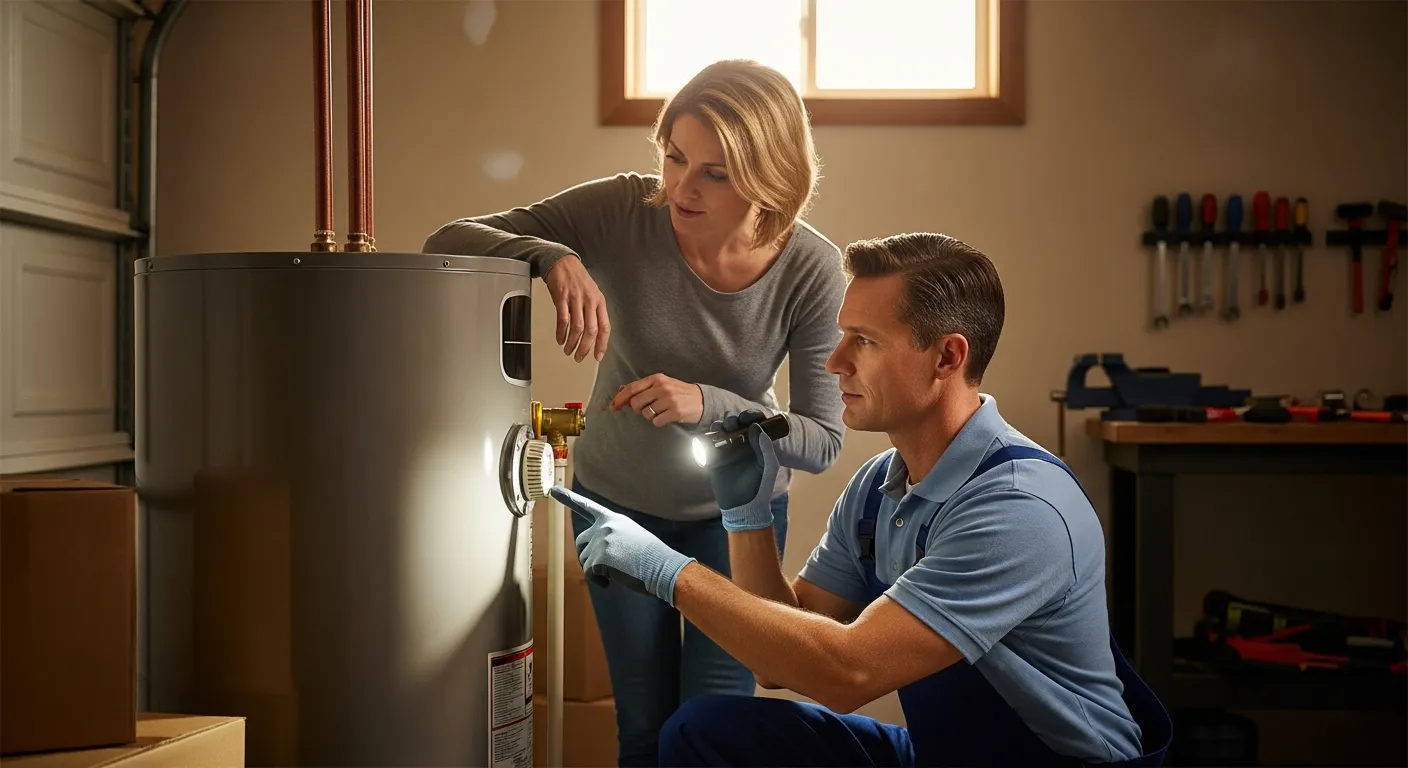
If you are unsure about your needs, a licensed plumber can assess your home’s hot water demand and recommend the ideal size. Learn more about water heater installation costs to budget for the right unit.
How Long Should Your Water Heater Last?
A properly sized water heater that is not overworked will last longer than one that constantly struggles to meet demand. Most tank water heaters last 8 to 12 years, while tankless models can last 15 to 20 years with regular maintenance. Oversizing slightly is less damaging than undersizing, as a constantly depleted tank experiences more thermal stress and sediment buildup.
Regular maintenance, including annual flushing to remove sediment, extends the life of any water heater. For more on lifespan expectations, read our guide on how long a water heater lasts.
When Should You Replace Your Current Water Heater?
If you are frequently running out of hot water, hearing rumbling noises from your tank, noticing rusty water, or your unit is over 10 years old, it may be time for a replacement. A new, properly sized water heater will improve comfort and reduce your energy bills. Check our water heater troubleshooting guide if you are experiencing issues, or learn about the common causes of no hot water.
Schedule a free water heater sizing consultation with 911 Drain Lines and Plumbing. Call (714) 909-1175 for same-day service in Orange County and the Inland Empire.
Frequently Asked Questions
What size water heater do I need for a family of four?
A family of four typically needs a 40 to 50 gallon tank water heater with a first-hour delivery rating of at least 55 to 60 gallons. If your household uses hot water heavily during peak hours, consider sizing up to a 50 or 60 gallon tank.
Is a 40-gallon water heater big enough for two people?
Yes. A 40-gallon tank is more than sufficient for a two-person household under normal usage. A 30-gallon tank can also work if your hot water demand is low.
How do I know if my water heater is too small?
Frequent cold water surprises during showers, long recovery times between uses, and the need to stagger hot water activities are all signs your water heater is undersized for your household’s demand.
Does a bigger water heater cost more to run?
Yes. Larger tanks have higher standby heat loss because they maintain more water at temperature. However, the difference is modest, usually $50 to $100 per year between a 40-gallon and 60-gallon tank of the same efficiency rating.
Should I get a tankless water heater instead of a bigger tank?
Tankless heaters are a good option if you want unlimited hot water and lower long-term energy costs. They cost more upfront but eliminate standby heat loss entirely. They are ideal for households that need hot water at unpredictable times or have limited installation space.