



Why Regular HVAC Maintenance Matters
Your HVAC system is the hardest-working appliance in your home. In Southern California, it battles scorching summers and cool winter nights year-round. Without a consistent HVAC maintenance checklist, you risk higher energy bills, poor indoor air quality, and costly breakdowns when you need comfort most. If your system does fail, our emergency HVAC repair team is available 24/7.
Regular HVAC maintenance delivers three major benefits:
- Lower energy costs. A well-maintained system runs up to 15% more efficiently than a neglected one, according to the U.S. Department of Energy.
- Extended equipment lifespan. Most HVAC systems last 15 to 20 years with proper care. Skip maintenance, and you could be replacing yours in under 10.
- Better air quality. Clean filters, coils, and ducts mean fewer allergens, dust particles, and pollutants circulating through your home.
Whether you handle basic tasks yourself or schedule a professional HVAC tune up, following a seasonal checklist keeps your system reliable and efficient all year long.
Spring and Summer AC Maintenance Checklist
Before temperatures climb, run through this ac maintenance checklist to make sure your cooling system is ready for the heat.
1. Replace or Clean Air Filters
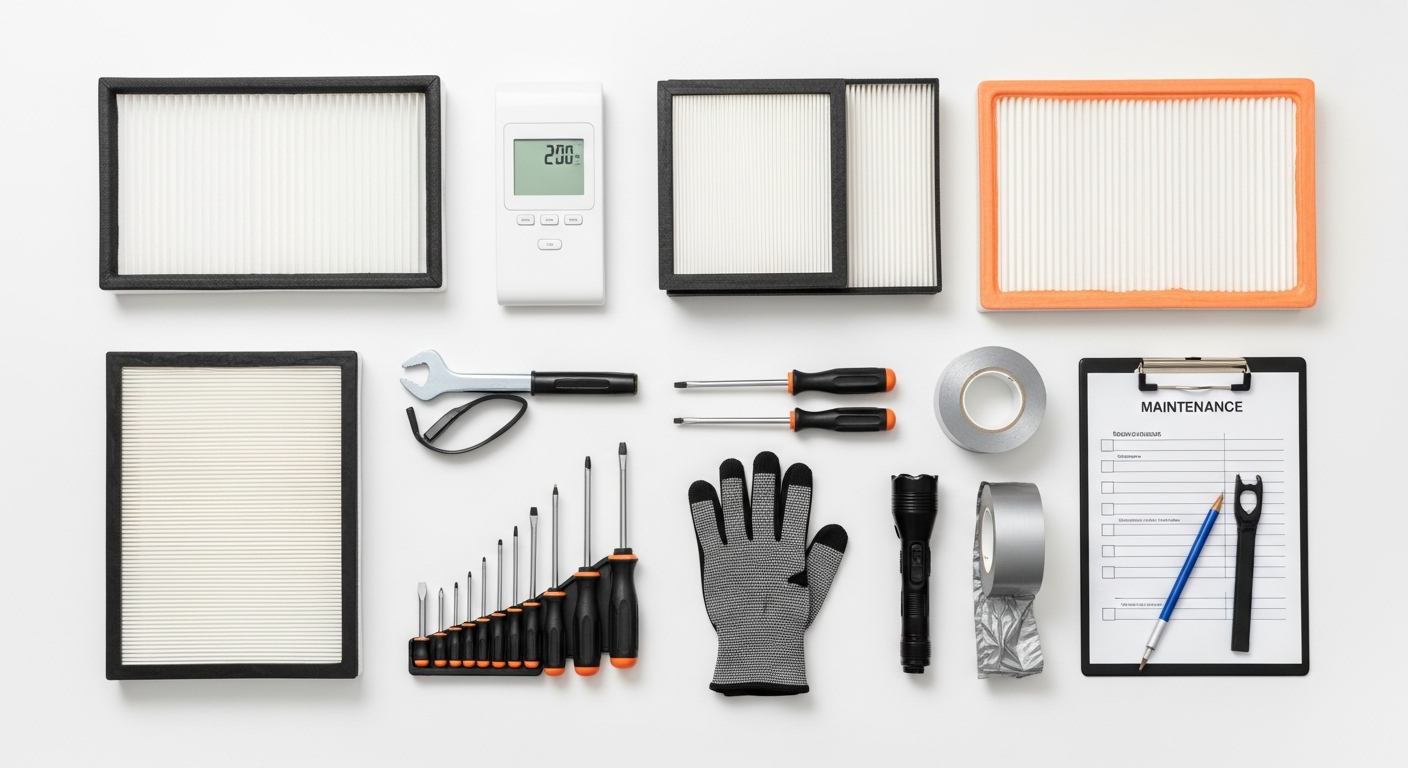
Dirty filters restrict airflow, force your system to work harder, and increase energy consumption. Replace disposable filters every 30 to 90 days. If you have reusable filters, rinse and dry them thoroughly before reinstalling.
2. Clean the Condenser Coils
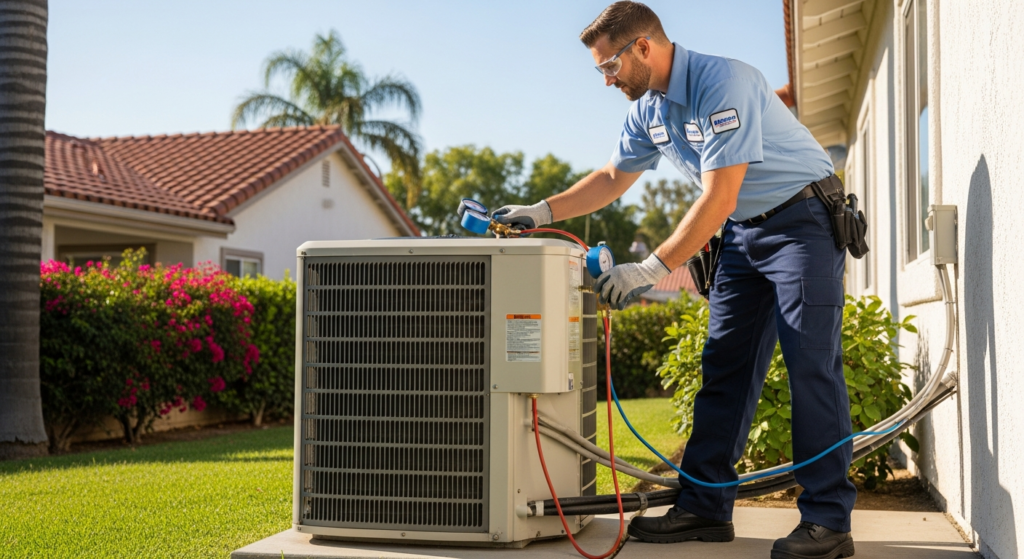
Your outdoor condenser unit collects dirt, leaves, and debris over the winter months. Turn off the power, remove any debris around the unit, and gently hose down the coils from the inside out. Keep at least two feet of clearance around the unit for proper airflow.
3. Check Refrigerant Levels
Low refrigerant means your AC cannot cool effectively. If your system blows warm air or cycles frequently, refrigerant may be low. This requires a licensed technician to diagnose and recharge safely.
4. Clear the Condensate Drain Line
A clogged drain line can cause water damage and increase indoor humidity. Flush the line with a mixture of vinegar and warm water to prevent algae and mold buildup. If the line is severely clogged, a professional can clear it quickly.
5. Test Your Thermostat
Set your thermostat to cooling mode and verify it triggers the system correctly. If you still use a manual thermostat, consider upgrading to a programmable or smart thermostat. If your thermostat is not working properly, get it checked before summer to save energy and improve comfort.
6. Inspect Ductwork for Leaks
Leaky ducts can waste up to 30% of your cooled air before it reaches your living spaces. Check accessible ducts for gaps, disconnections, or damaged insulation. Seal small leaks with mastic sealant or metal tape.
Fall and Winter Heating Maintenance Checklist
As temperatures drop, shift your focus from cooling to heating. This checklist helps you prepare your furnace or heat pump for the cooler months.
1. Inspect the Furnace or Heat Pump
Turn on your heating system before cold weather arrives to identify any issues early. Listen for unusual sounds like banging, squealing, or clicking. Strange noises often indicate worn components that need attention.
2. Check the Pilot Light or Ignition System
For gas furnaces, verify the pilot light burns a steady blue flame. A yellow or flickering flame may indicate a ventilation problem or gas issue. Electronic ignition systems should fire consistently without delays.
3. Clean or Replace Filters Again
Yes, filters need attention every season. Heating systems push just as much air as cooling systems, and a clogged filter during winter reduces heat output and strains the blower motor.
4. Test Carbon Monoxide Detectors
Gas-powered heating systems produce combustion byproducts. Make sure carbon monoxide detectors are installed near bedrooms and on every floor. Test them monthly and replace batteries annually. This is a safety essential, not optional.
5. Seal Drafts and Insulate
Check windows, doors, and any electrical outlet covers on exterior walls for drafts. Apply weatherstripping or caulk where needed. Proper insulation reduces the load on your heating system and lowers energy bills.
6. Schedule a Professional Duct Cleaning
If it has been more than three years since your last duct cleaning, schedule one before heating season. Dust, pet dander, and debris accumulate in ducts and get recirculated every time your furnace runs.
Monthly HVAC Maintenance Tasks You Can DIY
You do not need a technician for every maintenance task. Here are monthly items any homeowner can handle:
- Check and replace air filters. This takes less than five minutes and has the biggest impact on system efficiency.
- Clear debris around outdoor units. Remove leaves, grass clippings, and anything within two feet of the condenser.
- Check thermostat settings. Verify your programming matches your schedule. Adjust for seasonal changes.
- Inspect vents and registers. Make sure furniture, curtains, or rugs are not blocking airflow from supply and return vents.
- Listen for unusual sounds. New rattling, buzzing, or clicking noises during operation often signal developing problems.
- Monitor energy bills. A sudden spike in your energy bill with no change in usage patterns may point to an HVAC efficiency problem.
Annual Professional HVAC Tune Up: What a Technician Checks
Even with diligent DIY maintenance, your HVAC system needs a professional HVAC tune up at least once a year. Ideally, schedule AC service in the spring and heating service in the fall. Here is what a qualified technician will inspect:
- Refrigerant levels and pressure testing
- Electrical connections, voltage, and amperage on all motors
- Thermostat calibration and operation
- Condensate drain line clearing
- Blower motor performance and airflow measurement
- Heat exchanger inspection for cracks (critical safety check)
- Gas connections and combustion analysis (for gas systems)
- Evaporator and condenser coil cleaning
- Belt inspection and lubrication of moving parts
- System safety controls and startup/shutdown cycle testing
A professional tune up catches small problems before they become expensive emergency HVAC repairs. It also keeps your manufacturer warranty valid, since most warranties require proof of annual maintenance.
When to Call a Professional
DIY maintenance covers the basics, but certain situations require a licensed HVAC technician:
- No heating or cooling output. If your system runs but does not produce conditioned air, the problem likely involves refrigerant, a compressor, or internal components.
- Frequent cycling. A system that turns on and off every few minutes is short-cycling, which damages components and wastes energy.
- Strange odors. Burning smells, musty odors, or a rotten egg scent (indicating a gas leak) all require immediate professional attention.
- Water leaks around the unit. Pooling water near your indoor unit may indicate a clogged drain, a cracked pan, or a refrigerant issue.
- Thermostat issues. If adjusting the thermostat produces no response from your system, wiring or control board problems may be the cause.
- Rising energy bills. If your bills increase significantly without a change in usage, your system may need professional diagnosis.
Schedule your HVAC maintenance with 911 Drain Lines and Plumbing today. Our licensed technicians serve Orange County and the Inland Empire with 24/7 availability for emergency HVAC service.
Need professional help? Learn more about our HVAC services in Orange County.
Need professional help? Learn more about our AC Not Turning On? 7 Causes and How to Fix It in Orange County.
Need professional help? Learn more about our AC Freezing Up? Causes, Fixes, and Prevention Tips in Orange County.
Frequently Asked Questions
How often should HVAC maintenance be performed?
Schedule professional HVAC maintenance at least twice a year: once in spring for your air conditioning system and once in fall for your heating system. Monthly filter checks and basic homeowner tasks should happen year-round.
What is included in a standard HVAC tune up?
A standard HVAC tune up includes inspecting and cleaning coils, checking refrigerant levels, testing electrical connections, calibrating the thermostat, clearing the condensate drain, inspecting the heat exchanger, and verifying safe system operation.
Can I do HVAC maintenance myself?
Homeowners can handle basic tasks like replacing air filters, clearing debris around outdoor units, checking thermostat settings, and inspecting vents. However, tasks involving refrigerant, electrical components, gas connections, and internal system inspections should be left to a licensed professional.
Related: Ac Not Blowing Cold Air
Related: Ac Not Turning On
How much does HVAC maintenance cost?
Professional HVAC maintenance costs vary depending on the system type, location, and scope of service. Contact 911 Drain Lines and Plumbing for a personalized quote based on your system and needs.