



One of the most effective solutions to clear clogged drains or sewer lines is hydro jetting. The high-pressure water from a hydro jetting machine can clear away years of grease, roots, and debris, restoring your plumbing system to full functionality.
However, for homeowners with older plumbing systems, the question often arises: Is hydro jetting safe for old pipes? Let’s explore how hydro jetting works, the potential risks it may pose to older pipes, and whether it is the right option for you.
How Hydro Jetting Works
Hydro jetting involves using high-pressure water to clear blockages in pipes. The hydro jetting machine blasts water through a nozzle at pressures often exceeding 4,000 psi. This force is powerful enough to cut through tree roots, grease, and other stubborn materials that clog pipes, leaving them clean and clear.
The process is more efficient and effective than using traditional methods like snakes or plungers. It not only clears the immediate blockage but also washes away the buildup along the pipe walls, preventing future issues.
However, the question arises when dealing with older plumbing systems. The force of the water generated by hydro jetting can be intense, which brings concerns about the safety of older pipes that may already have some wear and tear.
Risks of Hydro Jetting for Older Pipes
While hydro jetting is a great option for cleaning and unclogging pipes, it can pose risks to older plumbing systems. Older pipes, especially those made from materials like cast iron, clay, or galvanized steel, may not be as durable as newer materials like PVC. If you are unsure what type of pipes your home has, our copper vs PEX comparison explains the key differences between common piping materials. Here are some potential risks to consider:
Pipe Damage or Cracks
Older pipes, particularly those made from cast iron or clay, are more likely to have cracks, corrosion, or other forms of damage.
The high-pressure water from hydro jetting can exacerbate these weaknesses. This potentially causes pipes to crack or break. In some cases, the water pressure may make existing damage worse, leading to leaks or even ruptures.
Corrosion and Rust
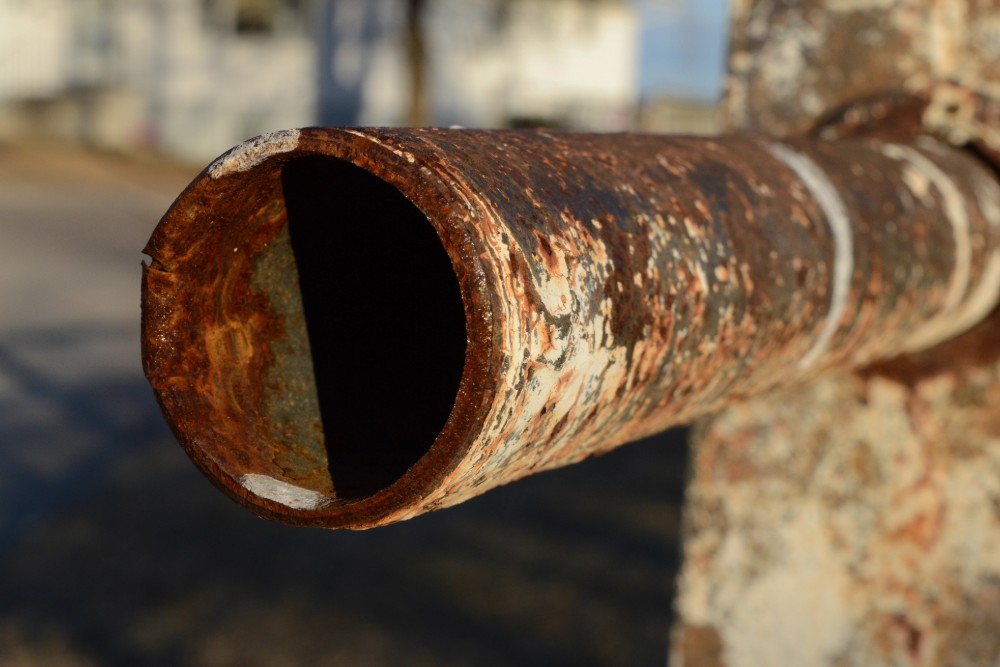
Older pipes are often more prone to corrosion. Over time, cast iron or steel pipes can rust and weaken their structure. When hydro jetting is performed on these corroded pipes, the high-pressure water can dislodge rust and further deteriorate the pipe’s condition. This can lead to further damage and more costly repairs down the road.
Connections and Joints
The connections and joints of older pipes are often the most vulnerable areas of the system. The powerful pressure from hydro jetting can put stress on these joints, which may loosen or disconnect. This can result in leaks, flooding, or even require a full pipe replacement.
When Hydro Jetting is Safe for Old Pipes
If the Pipes are Made of PVC or Other Durable Materials
PVC pipes, which are commonly used in modern plumbing systems, are generally more resistant to the pressures of hydro jetting. If you have PVC pipes, hydro jetting is usually safe and effective. These pipes are designed to withstand high water pressure. Therefore, they are ideal for the powerful jet streams used in this process.
If the Pipes Are in Good Condition
If your pipes are old but still in good condition, hydro jetting can help clear blockages without causing damage. The key is to get a professional plumber to check the condition of your pipes prior to hydro jetting. A sewer camera inspection can be performed to check for cracks, rust, or any other damage that might make your pipes more susceptible to harm.
When the Sewer Line is Not Severely Damaged
If your home’s sewer line is aging but still in good condition, hydro jetting can be a practical solution. A camera inspection provides a clear view of the pipe’s interior. This helps the plumber decide whether hydro jetting is the right approach.
When the line is free of major structural damage and only blocked by grease, debris, or roots, this method offers a safe and highly effective way to restore proper flow.
Why a Sewer Camera Inspection is Important Before Hydro Jetting
Before using hydro jetting on any pipe, old or new, a sewer camera inspection is essential. This step allows the plumber to assess the overall condition of your pipes and determine if hydro jetting is safe. The camera can detect cracks, blockages, and areas of corrosion that could be further damaged by high-pressure water.
A sewer camera inspection is a crucial first step, especially if your pipes are older or made from materials that may be more prone to damage.
By performing this inspection, plumbers can ensure that the hydro jetting process will not worsen the condition of your plumbing system. This proactive measure can save you from costly repairs or pipe replacements in the future.
Alternatives to Hydro Jetting for Old Pipes
In some cases, hydro jetting may not be the best option for cleaning older pipes. If your pipes are severely damaged or made from materials that are vulnerable to the pressure of hydro jetting, other methods may be safer.
Rooting Machine
If tree roots are causing the blockage in your pipes, a rooting machine can be an excellent alternative to hydro jetting. Rooting machines use a mechanical auger to break through tree roots and other obstructions without the high-pressure water involved in hydro jetting. This method is safer for pipes that are brittle or corroded, as it minimizes the risk of damage.
Pipe Lining or Trenchless Repairs
For old or damaged pipes, trenchless technology is an excellent alternative to hydro jetting. Pipe lining works by inserting a resin-coated liner into the damaged pipe and allowing it to harden. This process creates a new pipe inside the old one. It repairs damage without excavation, preserves your landscaping, and minimizes disruption to your property.
When to Call in the Professionals
When it comes to deciding “Is hydro jetting safe for old pipes,” it’s best to consult with a professional plumber. Our team at 911 Drain Lines is experienced in assessing the condition of your pipes and recommending the safest and most effective solution for your needs.
Call us today at (714) 746-7611 to learn more and schedule an appointment.