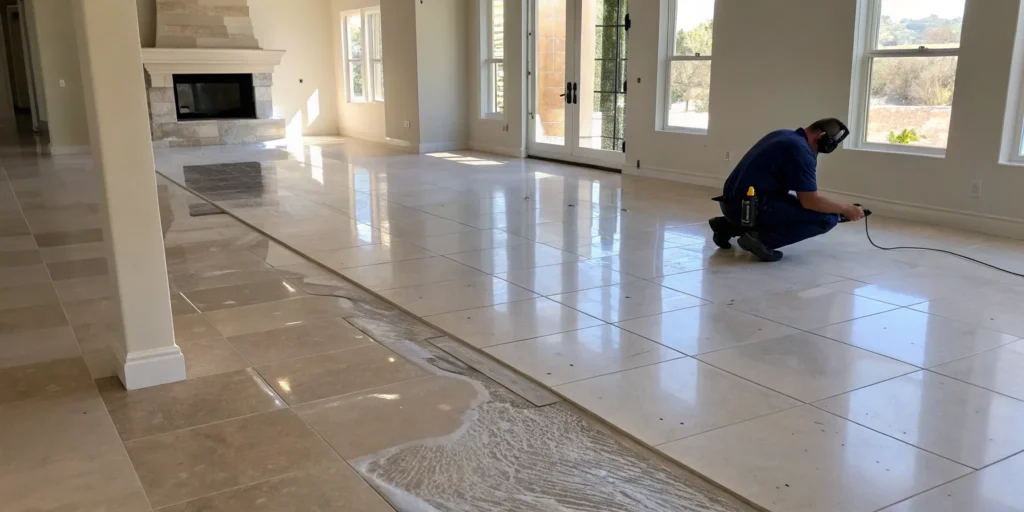




That faint sound of running water when all the faucets are off, a mysterious warm spot on your floor, or a water bill that suddenly spikes—these are the subtle clues of a serious problem hiding beneath your home. A slab leak occurs in the water lines under your concrete foundation, making it one of the most deceptive and potentially damaging issues a homeowner can face. Ignoring these signs of a slab leak can lead to cracked foundations, ruined flooring, and dangerous mold growth. This guide is your action plan. We’ll walk you through identifying the warning signs, understanding the repair process, and finding reliable professional help for slab leak detection Orange County, so you can protect your home from the ground up.
Key Takeaways
- Pay attention to the early warnings: A slab leak rarely announces itself with a flood; instead, look for subtle clues like an unexplained high water bill, warm spots on your floor, or the sound of running water when all faucets are off.
- Leak detection doesn’t mean demolition: Reputable plumbers use advanced, non-invasive technology like thermal imaging and acoustic listening devices, allowing them to find the exact source of the leak without tearing up your foundation.
- Take immediate, simple steps: If you suspect a slab leak, your first move is to shut off your home’s main water valve to minimize damage, and your second is to call a professional, as this is a complex issue that requires specialized expertise.
What Is a Slab Leak and Why Is Early Detection So Important?
A slab leak is one of those home repair terms that sounds intimidating, and for good reason. It refers to a leak in the water lines running beneath your home’s concrete foundation, or “slab.” Because these pipes are hidden from view, a leak can go unnoticed for a long time, silently causing damage. Understanding what a slab leak is, why it happens, and the importance of catching it early can save you from major headaches and costly repairs down the road. It’s a problem that requires immediate attention from a professional who understands the complexities of your home’s plumbing system.
Define a Slab Leak and Its Common Causes
Simply put, a slab leak is any leak that occurs in a water pipe located below your home’s concrete foundation. These leaks can happen in either the hot or cold water lines. The causes vary, but they often come down to a few common culprits. In many older homes, the original pipes are simply reaching the end of their lifespan and have started to corrode. Sometimes, the ground itself is the problem; shifting soil can put immense pressure on pipes, causing them to bend or break. Poor initial construction or accidental damage to a pipe during installation can also create weak spots that eventually give way, leading to a leak years later.
Why You Need to Act Fast
When it comes to a slab leak, time is not on your side. What starts as a small drip can quickly escalate, leading to serious problems. The water seeping from the pipe can saturate the ground under your foundation, causing it to shift and crack. This can compromise the structural integrity of your entire home. Inside, the damage can be just as severe, ruining your flooring, warping baseboards, and creating the perfect damp environment for mold and mildew to grow. Acting fast is crucial to prevent these secondary issues. Addressing the leak early minimizes the damage and can significantly reduce the overall repair cost, protecting both your home and your wallet from more extensive residential plumbing services.
Common Slab Leak Myths Debunked
Many homeowners believe a few common myths about slab leaks that can lead to delayed action. One major misconception is that they are rare. The truth is, slab leaks are more common than you might think, especially in areas with older homes. Another myth is that you’ll see a giant puddle of water if you have a slab leak. While that can happen, the signs are often much more subtle. You might notice a single warm spot on your floor, hear the faint sound of running water when all your faucets are off, or see an unexplained spike in your water bill. Don’t wait for obvious signs of water damage; if something feels off, it’s always best to contact us and have it checked out. We provide slab leak detection and sewer line repair in Irvine and plumbing services in Laguna Beach, Westminster, Villa Park, and Stanton.
How to Spot the Warning Signs of a Slab Leak
Slab leaks are tricky because they happen out of sight, beneath your home’s foundation. But even the most hidden leak leaves clues if you know what to look for. Catching these signs early can save you from expensive repairs and a major headache down the road. Think of yourself as a detective in your own home. Your mission is to spot the subtle hints that something is wrong with your plumbing. The evidence usually falls into three categories: physical signs around your house, unexpected changes in your water bill, and damage to your floors or foundation. Let’s walk through the specific warning signs you should keep an eye out for.
Physical Clues Around Your Home
The first thing you might notice is the sound of running water, even when all your faucets are turned off. This is a classic sign that water is escaping somewhere. You should also do a quick visual inspection of your home. Look for damp spots on your carpets, water pooling near the edges of your walls, or warped flooring. If you have a hot water line leak, you might even feel a mysterious warm spot on your floor. These are all clear indicators that water is collecting where it shouldn’t be. If you spot any of these issues, it’s a good idea to get your residential plumbing services checked by a professional.
Sudden Spikes in Your Water Bill
Your utility bill is one of the most reliable tools for detecting a hidden leak. Because slab leaks are often difficult to spot in the early stages, a surprisingly high water bill might be your first warning. A single dripping faucet can waste a lot of water, so imagine what a broken pipe under your foundation can do. If your water bill suddenly shoots up without a clear reason, like watering a new lawn or filling a pool, it’s time to investigate. Compare your recent bills to the previous months or the same time last year. A significant, unexplained increase strongly suggests you have a leak somewhere in your system.
Changes to Your Floors and Foundation
A slab leak can cause serious damage to your home’s structure. Pay close attention to your floors. Warm or damp spots can mean a hot water pipe is leaking directly underneath. You might also see your hardwood floors start to warp or your tiles crack under the pressure of shifting, water-logged soil. Over time, this moisture can lead to mold and mildew growth, which you might smell before you see. In more advanced cases, you may even notice cracks appearing in your foundation, walls, or ceiling. If you see any of these structural changes, it’s critical to contact us right away to prevent further damage.
How Professionals Find Leaks Without Tearing Up Your Home
The thought of a slab leak often brings up images of jackhammers and a torn-apart living room. You worry not just about fixing the pipe, but about the massive disruption and cost of repairing your floors. Thankfully, finding a leak doesn’t have to mean destroying your home. Professionals now use sophisticated, non-invasive tools to pinpoint the exact source of a leak with surgical precision. These methods are faster and more accurate, keeping your home intact and turning a potential disaster into a manageable repair.
Using Advanced Acoustic Listening Gear
One of the most effective tools is highly sensitive acoustic listening equipment. Think of it as a stethoscope for your home’s foundation. Our technicians use this gear to listen for the faint sound of water escaping a pipe under pressure. Even buried beneath concrete, a leak creates a distinct noise that this specialized equipment can pick up. By moving the sensor across the slab, our team can follow the sound to its loudest point, pinpointing the leak’s location with incredible accuracy. This process eliminates the need for exploratory digging, ensuring we only access the pipe exactly where it needs repair.
Locating Leaks with Thermal Imaging
Another game-changing technology is thermal imaging. Using an infrared camera, we can see temperature differences on your floor’s surface that are invisible to the naked eye. A water pipe leak changes the temperature of the surrounding concrete; a hot water leak creates a warm spot, while a cold water leak creates a cool one. The thermal camera displays these variations as a color-coded map, giving us a clear visual guide to the moisture. This method is completely non-damaging and provides fast, accurate results for our residential plumbing services.
Performing a Video Pipe Inspection
Sometimes, the best way to find a problem is to see it directly. A video pipe inspection allows us to do just that. We guide a small, high-resolution waterproof camera on a flexible cable into your plumbing system for a real-time video feed from inside your pipes. We can see the exact cause of the problem, whether it’s a tiny crack, corrosion, or a tree root intrusion. This not only confirms the leak’s location but also helps us assess the pipe’s overall condition, allowing us to recommend the most effective sewer line repair solution.
Finding Slab Leak Detection Services in Orange County
Once you know the signs and understand how professionals pinpoint the problem, it’s time to find the right team for the job here in Orange County. Choosing a local expert is key, because they understand the common construction styles and soil conditions in our area. You need a company that not only has the right tools but also the experience to use them effectively. A slab leak is stressful enough; your detection service should bring you peace of mind, not more headaches.
Our Comprehensive, Non-Invasive Detection Process
Detecting a slab leak is tricky because the problem is buried under your home’s foundation. That’s why our approach to professional slab leak detection is built around precision and care. We use advanced techniques to find the source of the leak without having to perform any destructive guesswork. Our goal is to identify the exact location of the issue with minimal disruption to your property. This non-invasive process saves you time and money on unnecessary repairs, letting us focus on fixing the actual problem and getting your home back to normal as quickly as possible.
The Modern Technology We Use
Gone are the days of breaking up concrete just to find a leak. Today’s slab leak detection methods are faster, more accurate, and much less invasive. We use state-of-the-art technology to pinpoint the exact location of a leak, which means less disruption for you and your family. By using tools like electronic listening devices and thermal imaging cameras, we can see and hear what’s happening inside your pipes from the surface. This modern approach is a core part of our residential plumbing services, ensuring we can resolve your issue efficiently and protect your home from further damage.
Why 24/7 Emergency Service Matters
A slab leak doesn’t operate on a 9-to-5 schedule, and neither do we. When water is damaging your home’s foundation, every minute counts. A quick response can be the difference between a straightforward repair and a major restoration project involving flooring replacement and mold remediation. That’s why we provide 24-hour emergency plumbing services throughout Orange County. We’re always ready to answer your call and take immediate action to protect your property. Getting a professional on-site quickly helps contain the damage, keeping your home safe and dry while preventing more costly repairs down the road.
What Does Slab Leak Detection and Repair Cost?
Figuring out the budget for a slab leak can feel overwhelming, but breaking it down makes it much more manageable. The total cost involves two main parts: finding the leak and then fixing it. Let’s walk through what you can expect for each stage.
Understanding Detection Service Pricing
Before any repairs can begin, a professional needs to pinpoint the exact location of the leak. The cost for this specialized detection service typically runs from $150 to $600. Think of this as the diagnostic fee. Investing in professional detection is crucial because it prevents unnecessary and destructive digging into your foundation. Using advanced tools, technicians can find the source of the problem with incredible accuracy. This initial step saves you money in the long run by ensuring that the repair work is targeted and effective. Our team provides comprehensive residential plumbing services to handle both detection and repair.
Factors That Influence Repair Costs
Once the leak is found, the repair cost can vary quite a bit. Most slab leak repairs cost between $1,500 and $4,500. However, if the damage is extensive and requires a full repiping of the lines under your home, the cost could be higher, from $4,000 to $10,000. Several things affect the final price, including how difficult it is to access the pipe, the specific repair method used, and the extent of the damage. For example, a minor spot repair will cost less than a more complex sewer line repair that involves trenchless technology.
Will Your Insurance Policy Cover It?
This is a question we hear all the time. Generally, a standard homeowners insurance policy may cover the damage caused by a sudden and accidental slab leak. This often includes the cost to tear out and replace the slab to access the pipe, as well as repairs to your flooring, walls, and any damaged personal belongings. What’s usually not covered is the cost of repairing the broken pipe itself, as that can be considered routine home maintenance. Every policy is different, so it’s essential to call your insurance agent to understand your specific coverage. We can provide a detailed assessment to help you with your claim, so feel free to contact us for an inspection.
What to Do When You Suspect a Slab Leak
Discovering a potential slab leak can feel overwhelming, but taking a few key steps right away can make a huge difference. Knowing what to do and when to call for help will protect your home from further damage and get the problem solved faster. Think of this as your game plan for tackling the issue head-on.
Your Immediate At-Home Action Plan
If you think you have a slab leak, the first thing you should do is shut off your home’s main water supply. This is usually located outside near the street or in your garage. Turning off the water stops the flow and helps prevent more water from seeping into your foundation. Once the water is off, open a few faucets to drain the remaining water from your pipes. While you wait for a professional, take a moment to walk around your home. Make a note of any warm spots on the floor, damp carpets, or areas where you heard running water. This information will be incredibly helpful for the technician.
When to Call a Professional Right Away
A slab leak is not a DIY project. Because the pipes are hidden beneath your home’s concrete foundation, finding and fixing the source requires specialized equipment and expertise. Waiting to call for help can lead to serious structural damage, mold growth, and much more expensive repairs down the line. If you’ve noticed any of the classic signs like a sudden spike in your water bill, the sound of running water when everything is off, or wet spots on your floor, it’s time to contact a professional. Getting an expert on-site quickly is the best way to confirm the leak and prevent a small issue from becoming a major disaster.
How to Prepare for the Detection Appointment
You can make the detection process smoother by preparing a few things before your technician arrives. Start by taking photos and videos of any visible damage, like cracks in the walls or damp flooring. This documentation is essential if you plan to file a homeowner’s insurance claim. Next, clear any furniture or clutter away from the areas where you suspect the leak might be. This gives the team easy access to perform their tests. Finally, write down a list of all the signs you’ve noticed and when you first saw them. Having this information ready helps our technicians pinpoint the problem area more efficiently.
How to Choose the Right Slab Leak Detection Company
Finding out you might have a slab leak is stressful enough. The last thing you need is the added anxiety of hiring the wrong company to fix it. Choosing the right partner for the job means finding a team that is not only skilled and trustworthy but also uses modern techniques to minimize disruption to your home and life. A great company will be transparent about their process, experienced in handling complex situations, and equipped with the right tools to do the job efficiently. They’ll treat your home with respect, understanding that you want the problem solved with as little mess and fuss as possible.
Hiring the wrong team can turn a manageable problem into a nightmare. It could lead to unnecessary demolition of your floors, inaccurate diagnoses, and repairs that don’t last. This not only costs you more money but also adds significant stress and inconvenience. On the other hand, taking a few extra minutes to vet your options can save you from these headaches. A qualified professional will provide an accurate diagnosis, a clear plan of action, and a lasting solution. Think of it as an investment in your peace of mind and the long-term health of your home. This guide will walk you through what to look for and what to ask, so you can feel confident in your decision.
Verify Licenses and Qualifications
First things first, let’s talk credentials. You wouldn’t let an unlicensed doctor perform a check-up, so you shouldn’t let an unlicensed plumber work on your home’s foundation. A valid contractor’s license ensures the technicians have the proper training, knowledge, and are held to state standards. It’s your first line of defense against shoddy work. Plus, always confirm they are fully insured. This protects you from any liability if an accident happens on your property. Our team of licensed plumbers is trusted across Orange County because we prioritize professionalism and accountability. A reputable company will always be upfront about its qualifications.
Ask About Their Technology and Methods
Gone are the days of destructive guesswork. Modern slab leak detection is far less invasive, more accurate, and much faster than it used to be. A top-tier company will use a combination of advanced tools to pinpoint the exact location of a leak without needing to tear up your floors. At 911 Drain Lines, our team has state-of-the-art tools to find leaks without the need for invasive digging. When you call a company, ask them what equipment they use. Do they have acoustic sensors, thermal imaging cameras, or video inspection tools? Their answer will tell you a lot about their commitment to efficient, modern solutions that respect your home.
Key Questions to Ask Before You Hire
Before you commit, it’s smart to have a few key questions ready. Some homeowners believe tiny slab leaks can be ignored, but this is a costly myth. The average household wastes about 14% of its annual water supply due to leaks, and even small ones can lead to big problems. Ask a potential company how they approach small leaks and what their process looks like for finding hidden issues, especially if you’ve noticed warm spots on the floor or a sudden spike in your water bill. A professional should be able to explain their process clearly and give you confidence in their abilities. Don’t hesitate to ask for a detailed estimate and inquire about their emergency availability.
The Dangers of Ignoring a Slab Leak
It’s tempting to dismiss a small warm spot on the floor or a tiny increase in your water bill, but a “wait and see” approach to a potential slab leak can be disastrous. What starts as a hidden drip beneath your home’s foundation can spiral into significant problems that affect your property, health, and wallet. Understanding the risks is the first step toward protecting your home from serious, long-term consequences.
Long-Term Structural and Foundation Damage
Think of your home’s foundation as its backbone. A slab leak introduces constant moisture that erodes the soil and concrete supporting your house. Over time, this water can cause the foundation to shift, crack, or settle, leading to uneven floors, doors that won’t close properly, and cracks in your walls. The damage isn’t just cosmetic; it compromises your home’s structural integrity. For properties at risk of water accumulation, a sump pump can help protect against flooding. Addressing these issues often requires comprehensive residential plumbing services to prevent a small leak from becoming a structural crisis. It’s a slow but incredibly destructive process that can be stopped with early detection.
Health Risks from Hidden Mold and Mildew
One of the most serious, yet invisible, dangers of a slab leak is mold and mildew growth. The dark, damp space beneath your flooring is the perfect breeding ground for these fungi. As water seeps from the leaking pipe, it creates a pocket of moisture where mold can thrive undetected. Before you even notice a musty smell, mold spores can spread through your home’s ventilation system, potentially triggering allergies, asthma, and other respiratory problems. Protecting your home’s air quality is just as important as protecting its structure, and that starts with stopping the source of the moisture.
How Minor Issues Turn into Major Expenses
Ignoring the early signs of a slab leak is like letting a small spark turn into a fire. The longer the leak continues, the more the damage and costs multiply. A simple pipe repair can become a massive project involving breaking through concrete, replacing flooring, drying out walls, and remediating mold. What might have been a manageable repair can easily turn into thousands of dollars in damages. The cost of water damage grows exponentially, so taking immediate action is the most financially responsible choice. If you suspect a problem, don’t wait. It’s always better to contact a professional for an inspection and get peace of mind.
What Are Your Repair Options After a Leak Is Found?
Once our technicians have pinpointed the exact location of the slab leak, the next step is deciding on the best repair strategy. The right approach depends on the age of your pipes, the extent of the damage, and your home’s layout. We’ll walk you through the most common options so you can make an informed choice for your property. It’s all about finding a lasting solution that fits your specific situation and minimizes disruption to your life.
Traditional Excavation and Repair
The classic method for fixing a slab leak is a spot repair. This involves carefully breaking through a small section of your concrete slab to directly access and fix the broken part of the pipe. This approach is often the most straightforward and cost-effective solution for a single, easily accessible leak in an otherwise healthy plumbing system. However, if your home has older pipes with widespread corrosion, a spot repair might just be a temporary fix. In those cases, a full repiping of the underground lines may be necessary to prevent future leaks from popping up elsewhere.
Modern Trenchless Repair Solutions
For many situations, less invasive methods are a fantastic alternative to excavation. Trenchless repairs can often fix leaks without the need to dig up your floors. One popular technique involves inserting a special epoxy lining into the existing pipe, which hardens to create a new, seamless pipe within the old one. This seals off minor leaks and reinforces the pipe. Another option is to reroute the water lines entirely, running new pipes through walls or your attic to bypass the damaged section under the slab. These modern sewer line repair methods can save you time, money, and the headache of major demolition.
The Typical Repair and Restoration Timeline
We know you want to get your home back to normal as quickly as possible. The timeline for a slab leak repair can vary, but we can give you a general idea. The initial detection process usually takes just a few hours. If a simple spot repair is all that’s needed, the job typically takes one to two days, which includes time for the new concrete to dry and be patched. For more extensive work like rerouting pipes or a full repipe, you can expect the project to last between two and four days. We always aim to work efficiently and will give you a clear, upfront timeline before we begin any work.
Frequently Asked Questions
My house is pretty old. Does that automatically mean I’m at high risk for a slab leak? While it’s true that older homes can be more susceptible to slab leaks because their original pipes may be corroding, age isn’t the only factor. Soil conditions and the quality of the initial plumbing installation also play a huge role. Instead of worrying, think of it as a reason to be proactive. If you live in an older home and have never had your plumbing inspected, it’s a smart move to have a professional take a look to assess the condition of your pipes before a problem starts.
Can I do anything to prevent a slab leak from happening in the first place? Some causes of slab leaks, like shifting soil, are out of your control. However, you can take a few steps to protect your plumbing. One of the best things you can do is monitor your home’s water pressure. Consistently high pressure puts a lot of strain on your pipes and can lead to breaks over time. You can also be mindful of using harsh, chemical drain cleaners, which can corrode your pipes from the inside out. Regular maintenance and being aware of small changes are your best defense.
I see a few signs of a leak, but they seem minor. How quickly do I really need to act? You should act immediately, even if the signs seem small. A warm spot on the floor or a faint sound of running water is your home’s early warning system. The issue isn’t just the water you’re losing; it’s where that water is going. Every day that water seeps under your foundation, it can be causing more erosion, creating a perfect environment for mold, and increasing the potential for serious structural damage. Calling for an inspection right away is the best way to stop a small issue from becoming a huge, expensive problem.
If you have to break through my floor for a repair, what happens after? Do you fix the floor too? That’s a great question that addresses a common concern. Our primary job is to handle the plumbing aspect of the repair, which includes accessing the pipe and fixing it properly. While we patch the concrete slab we opened, the final restoration of your flooring, like replacing tile or hardwood, is typically handled by a separate flooring contractor. We focus on what we do best, which is ensuring the leak is fixed permanently, and we can certainly recommend trusted professionals to help get your floors looking like new again.
My insurance policy is confusing. Can you help me figure out what they’ll cover? Navigating insurance can definitely be tricky. While we can’t speak for your specific policy, we can absolutely help you with the process. We provide detailed, professional documentation of our findings, including the cause and location of the leak and the extent of the damage. This information is exactly what your insurance company needs to process your claim. We’ll give you all the necessary paperwork to make your conversation with your agent as clear and straightforward as possible. Need help with a buried line? See our underground water line leak repair page.