



What Is a Sump Pump and Do You Need One in Southern California?
Southern California’s reputation for sunshine leads many homeowners to assume flooding is someone else’s problem. But if your home has a basement, a below-grade garage, a sunken living room, or sits in a low-lying area near a hillside or arroyo, one serious rainstorm can become a water damage emergency. Sump pump installation in Southern California is more relevant than most people think — and knowing how it works could protect your home before the next storm season hits.
Concerned about water intrusion or drainage around your home? Contact 911 Drain Lines for a free assessment — available 24/7 at (714) 746-7611.
What Is a Sump Pump?
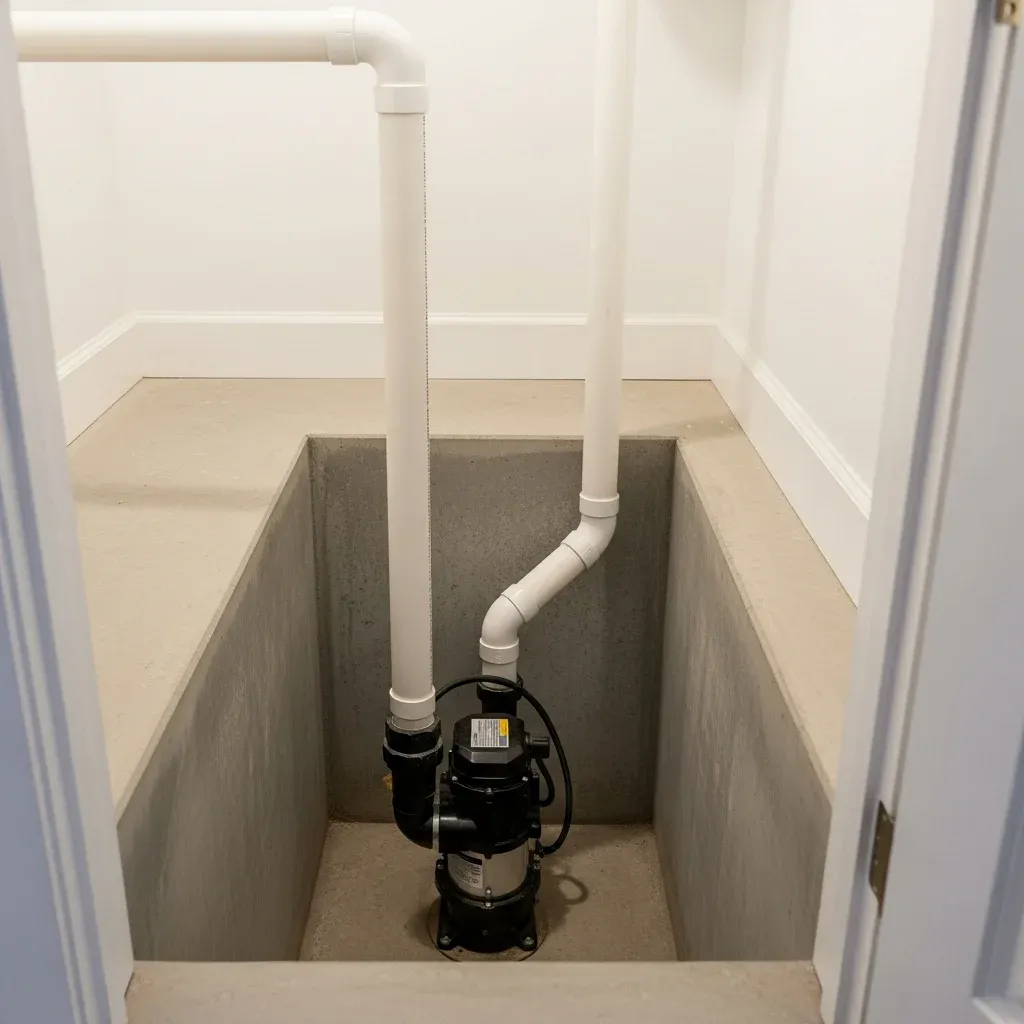
A sump pump is a water-removal device installed in the lowest point of a home — typically a pit dug into the floor of a basement or crawl space called a sump basin. When groundwater or surface water accumulates in that pit, a float switch activates the pump, which moves the water away from the foundation through a discharge pipe to a safe drainage point outside the home.
In simple terms: when water tries to invade your home from below or around the foundation, a sump pump intercepts it and redirects it before it can cause damage.
How Does a Sump Pump Work?
The mechanism is straightforward but highly effective:
- Water accumulates in the sump pit from groundwater rising through the soil, rainwater runoff draining toward the foundation, or a plumbing leak.
- A float switch triggers when the water level reaches a preset height — similar to the float in a toilet tank.
- The pump motor activates and forces water through a discharge pipe.
- Water exits the home, typically routing to a municipal storm drain, dry well, or landscaped area with proper slope.
- The pump shuts off automatically once the water level drops below the switch threshold.
Most residential sump pumps move between 1,000 and 4,000 gallons of water per hour. For homeowners in flood-prone neighborhoods in Orange County or the Inland Empire, that capacity can be the difference between dry floors and catastrophic water damage.
Types of Sump Pumps
Submersible Sump Pumps
A submersible pump sits entirely inside the sump pit, fully submerged in the water it removes. Because the motor is underwater, it runs quietly and efficiently, and the sealed housing resists moisture intrusion. Submersible pumps are the most common residential choice and handle larger water volumes effectively.
Best for: Finished basements, below-grade living spaces, high-volume flood risk areas.
Pedestal Sump Pumps
A pedestal pump has its motor mounted on a column above the sump pit, keeping it out of the water. Pedestal pumps are easier to service since the motor is accessible, and they tend to last longer because the motor never contacts water. However, they are louder and less suited to finished living spaces.
Best for: Smaller sump pits, unfinished utility areas, homeowners who want easier motor access.
Battery Backup Sump Pumps
This is one of the most critical considerations for Southern California homeowners. The scenario no one wants: a major storm knocks out power just when the rain is at its worst. Without electricity, even the best primary pump is useless. A battery backup sump pump activates automatically when water rises beyond the primary pump’s capacity or when power fails. Battery backup systems typically provide 8-12 hours of continuous operation — essential during SoCal’s most severe atmospheric river events.
Combination (Primary + Backup) Systems
Many homeowners in higher-risk areas opt for combination units that incorporate both a primary submersible pump and a battery backup system in one integrated housing. These offer the most comprehensive protection and simplify installation.
Do You Need a Sump Pump in Southern California?
Here is the honest answer: most SoCal homes do not need a sump pump — but the homes that do need one really need one. Risk depends on your specific property, not regional climate averages.
Want a professional evaluation of your property’s drainage risk? Our residential plumbing team can assess your home and recommend the right solution. Call (714) 746-7611 any time.
You Likely Need a Sump Pump If:
- Your home has a basement or below-grade areas. Below-grade spaces are inherently vulnerable to water intrusion, especially during heavy rain or when the water table rises after prolonged wet weather.
- You live near a hillside, canyon, or natural drainage path. Hillside runoff during heavy rain concentrates water toward low-lying homes and landscaping adjacent to slopes.
- Your neighborhood has a history of flooding. Orange County and the Inland Empire both have flood zones mapped by FEMA. Check whether your parcel overlaps with a Special Flood Hazard Area (SFHA).
- Your crawl space has a moisture problem. Persistent dampness in a crawl space indicates groundwater pressure that a sump pump can relieve.
- Your garage or utility room sits below grade. Sunken garages in hillside communities are particularly vulnerable to water intrusion during storm events.
- You have experienced water intrusion before. A prior flood — even a minor one — is the clearest signal that your property has a drainage vulnerability worth addressing proactively.
Southern California’s Storm Season Reality
While Orange County averages only 13 inches of rainfall per year, the region’s precipitation pattern is extreme: most of that rain arrives in short, intense events between November and March. The 2023-2024 storm season was a stark reminder — atmospheric rivers dropped inches of rain in hours across communities from San Clemente to Anaheim, flooding neighborhoods that had not seen standing water in decades.
Compacted urban soil, minimal permeable surface, and aging storm drain infrastructure mean even moderate rainfall can back up quickly. Below-grade spaces fill faster than homeowners expect. By the time you notice the problem, the damage is already done.
Sump Pump Installation: What to Expect
Sump pump installation in Southern California follows a standard process, though specifics vary depending on whether you have an existing sump pit or need one created from scratch.
Step 1: Site Assessment
A licensed plumber evaluates the lowest point of your home, soil composition, natural water flow direction, and available discharge path. For homes without a prior sump installation, this assessment determines where the pit will be dug and how the discharge line will route outside.
Step 2: Sump Pit Excavation
If no sump pit exists, a contractor excavates a hole approximately 18-24 inches in diameter and 24-36 inches deep through your basement or utility room floor. A perforated liner (the sump basin) is placed inside to prevent soil collapse.
Step 3: Pump Installation
The sump pump is placed inside the liner (submersible) or mounted above it (pedestal). The float switch is calibrated to the appropriate water level threshold. A check valve is installed on the discharge line to prevent back-flow when the pump shuts off.
Step 4: Discharge Line Routing
The discharge line runs from the pump through your foundation or exterior wall to a termination point at least 10 feet from the foundation — preventing discharged water from re-entering the soil near your home. Many Orange County municipalities require discharge to connect to the storm drain system rather than surface discharge.
Step 5: Electrical Connection
Sump pumps require a dedicated 120V outlet on a GFCI-protected circuit. Most installations require an electrician to verify or install the dedicated circuit. Battery backup systems connect to the same circuit with their own charger.
Step 6: Testing
The installation is tested by pouring water into the pit to trigger the float switch and confirm pump operation, float calibration, check valve function, and discharge direction. A reputable contractor verifies all components before signing off.
Sump Pump Installation Cost in Southern California
Sump pump costs vary based on system type, whether a new pit is required, discharge line complexity, and electrical work. Here is a realistic breakdown for Orange County and surrounding areas:
- Basic submersible pump (no pit required): $500-$900 installed
- Submersible pump with new pit excavation: $1,200-$2,500
- Pedestal pump installation: $400-$800
- Battery backup system add-on: $300-$600
- Combination primary + backup system (new installation): $2,000-$4,000
- Electrical work (dedicated circuit, if needed): $150-$400 additional
Costs at the higher end typically reflect permits (required in most Orange County jurisdictions), concrete cutting for new pit excavation, and complex discharge routing. Always request an itemized written estimate before authorizing work.
Sump Pump Maintenance: Keep It Working When You Need It
A sump pump that sits unused for months between SoCal’s infrequent storms can fail exactly when you need it most if it is not properly maintained. These steps protect your investment:
- Test monthly: Pour a bucket of water into the pit to confirm the float switch activates and the pump runs.
- Clean the pit quarterly: Remove debris and sediment that accumulates in the liner to prevent pump clogging.
- Inspect the discharge line annually: Verify the line is clear and the termination point is unblocked.
- Test the check valve: Confirm water is not draining back into the pit after the pump shuts off.
- Replace the battery backup battery every 2-3 years: Deep-cycle batteries degrade over time even with low use cycles.
- Schedule a professional inspection every 2-3 years: A plumber can check motor condition, float switch calibration, and overall system integrity.
Signs You May Need a Sump Pump (or a Replacement)
If any of these apply to your home, it is worth having a licensed plumber evaluate whether sump pump installation is appropriate:
- Water stains on basement or crawl space walls after rainstorms
- Musty odor in below-grade areas (indicates persistent moisture)
- Efflorescence (white mineral deposits) on concrete foundation walls
- Standing water in your garage or utility room during heavy rain
- Your existing sump pump is more than 10 years old or runs continuously
- Visible rust, cracks, or corrosion on your current pump
- The pump makes unusual grinding, rattling, or humming noises
Sump Pumps and Your Broader Plumbing System
A sump pump is one layer of a broader water management strategy. For homes with serious drainage vulnerability, a sump pump works alongside interior French drains, exterior waterproofing, and properly sloped landscaping. If your home’s drains are consistently slow or you have recurring backups, those issues should be addressed separately — a sump pump handles groundwater intrusion, not drain line clogs or sewer backups.
If you are concerned about sewer line condition in a home with water management issues, a sewer camera inspection is a smart first step to rule out related pipe problems before investing in a sump system. For older homes with multiple aging systems, our team can evaluate your full plumbing picture as part of a comprehensive residential plumbing assessment.
For homes dealing with recurring clogs, root intrusion, or buildup in underground lines, hydro jetting can restore full pipe capacity and is often performed alongside drainage assessments. If your sewer lines are damaged beyond clearing, trenchless sewer repair may be the minimally invasive solution that avoids costly excavation.
Frequently Asked Questions About Sump Pump Installation
Does Southern California require a permit for sump pump installation?
Most Orange County cities require a permit for sump pump installation, particularly when work involves concrete cutting, new electrical circuits, or connection to the municipal storm drain system. Your licensed plumber should handle the permit process. Installing without a required permit can create problems when you sell the home.
Can I install a sump pump myself?
Homeowners can technically replace a pump in an existing sump pit with basic plumbing skills. However, new pit excavation, concrete cutting, and electrical work require licensed contractors in California. DIY mistakes — particularly incorrect float calibration or improper discharge routing — can cause the pump to run dry, burn out the motor, or route discharged water back toward your foundation.
How long do sump pumps last?
Quality submersible pumps typically last 10-15 years with proper maintenance. Pedestal pumps can last 25 years or longer because the motor stays dry. Battery backup systems last 5-10 years depending on usage and battery replacement schedule.
What size sump pump do I need?
Pump capacity is measured in gallons per hour (GPH) at a given head pressure. For most residential applications in SoCal, a 1/3 or 1/2 horsepower pump rated at 2,000-3,000 GPH is adequate. Larger homes with significant below-grade area or higher flood risk may require 3/4 HP capacity. A plumber can size the pump correctly based on your pit depth and discharge line length.
Will my homeowner’s insurance cover sump pump failure?
Standard California homeowner’s insurance policies typically do not cover water damage caused by sump pump failure or groundwater flooding. Separate flood insurance through FEMA’s National Flood Insurance Program and sump pump failure riders are available. Check with your insurer about coverage options, especially if you live in a mapped flood zone.
Get Expert Sump Pump Help in Orange County and the Inland Empire
If you are unsure whether your home needs a sump pump, or if you have an existing system that has not been serviced in years, the team at 911 Drain Lines and Plumbing is ready to help. We serve all 34 cities in Orange County, the Inland Empire, and surrounding Southern California communities with same-day service and no overtime charges — 24 hours a day, 365 days a year.
Our licensed technicians can evaluate your home’s drainage situation, recommend the right sump pump system, and handle installation from pit to permit. Contact us today for a free estimate or call us directly at (714) 746-7611 — any time, any day.