



Clogged pipes stop water flow and create messy puddles in kitchens or bathrooms. Most homeowners want a quick solution for slow drains without calling a plumber immediately. Chemical drain cleaners break down the buildup that sticks to metal or plastic pipe walls.
Understanding “How does drain cleaner work?” helps homeowners choose the right product for stubborn clogs. These liquids travel through standing water to reach the blockage and trigger a chemical reaction. Heat and chemical action dissolve thick sludge, so water flows freely through the system again.
How Drain Cleaners Work in California Homes Systems
Chemical liquids create a powerful reaction when they touch the thick hair or grease trapped inside pipes. This process changes the solid waste into a liquid or gas, so water flushes it away. Lye or acid generates heat to melt the sticky fats and oils effectively.
Gravity moves the liquid down through the sink trap, where most clogs sit. The chemical mixture sits on the blockage for several minutes, breaking down tough grime. Once the waste dissolves, water moves freely, and pipes stay odor-free.
Types of Drain Cleaners Used Today in Plumbing
- Liquid Cleaners: Caustic soda serves as the main ingredient in these common bottles found at the store. This chemical creates heat to turn grease into soap, which dissolves in water quickly. Most liquids work well for bathroom sinks filled with hair and toothpaste.
- Acidic Cleaners: Professional plumbers sometimes use sulfuric acid to eat through very tough paper or food waste. This strong liquid works fast but requires great care to avoid damaging the metal. Acids dissolve organic matter by removing all the water from the solid clog.
- Oxidizing Cleaners: Bleach or nitrates release oxygen to break down organic material. They are effective against mold or slimy bacteria in dark pipes. The bubbling action pushes debris down the sewer line.
- Enzymatic Cleaners: Living bacteria eat the organic waste inside the plumbing over a longer period of time. These natural options work more slowly than chemicals but protect the pipes from any damage. Monthly use keeps the drains clear of slow-moving grease or heavy soap scum.
Chemical Drain Cleaners and Their Basic Function Explained
Sodium hydroxide at the bottom of a sink triggers saponification, turning thick grease into a runny soap that flows with water. Heat accelerates the reaction as the liquid attacks the clog.
Dense chemicals sink through standing water to reach the trap, where blockages often linger. Heat and chemical bonds break apart hair, grease, or food waste, opening clear paths once flushed.
When Store-Bought Drain Cleaners Fail in Practice
Solid items such as small toys or metal fragments remain lodged even after the strongest chemical cleaners are used. These objects do not break down from heat or lye and continue to block the pipe. Removing them requires mechanical tools to physically extract the obstruction from the plumbing system.
Tree roots often grow into outdoor pipes and stop the flow of waste from the house. Chemicals cannot kill thick wood or stop the roots from growing back into the line. Professional cameras help find these deep breaks in the underground pipes.
Safety Risks of Using Chemical Drain Cleaners Improperly
- Skin Burns: Direct contact with drain cleaner can cause painful red marks or deep chemical burns. Wearing gloves protects the hands while pouring, and rinsing immediately is essential if any splash touches bare skin or eyes.
- Toxic Fumes: Mixing different chemical bottles can release dangerous gases that make breathing difficult. These fumes can irritate the throat, cause dizziness, or even lead to more serious health issues. Ventilating the area by opening windows helps keep air circulating safely.
- Pipe Damage: Old metal pipes weaken and become brittle when exposed to heat from chemical reactions. Excessive exposure can create leaks or even break the plumbing entirely. Repairing or replacing a damaged pipe is far more expensive than using a drain cleaner correctly.
- Eye Safety: Small drops can fly into the air when the liquid hits the standing water. Wearing goggles keeps the eyes safe from the burning acid or lye in the bottle. Vision stays clear when the eyes have a plastic shield against the splashes.
Environmental Impact of Drain Cleaners in California Homes
- Water Quality: Residual chemicals travel through sewer lines and can reach treatment plants. Filtration systems struggle to remove all traces of strong acids or heavy salts. Clean water is crucial for the health of fish, birds, and local ecosystems.
- Soil Health: Leaks in underground pipes allow chemicals to seep into the soil, killing beneficial microorganisms. Healthy soil relies on natural minerals without interference from harsh liquids.
- Local Wildlife: Runoff entering streams can harm sensitive animals such as frogs, turtles, and other aquatic species. Even small amounts of chemicals can damage shells or skin. Protecting waterways maintains the balance of the local ecosystem.
- Safe Disposal: Pouring leftover liquid into trash bins or yards creates hidden hazards. Taking old bottles to specialized collection centers prevents contamination of soil and nearby forests or parks.
How Professional Drain Cleaning Works Differently Than Chemicals
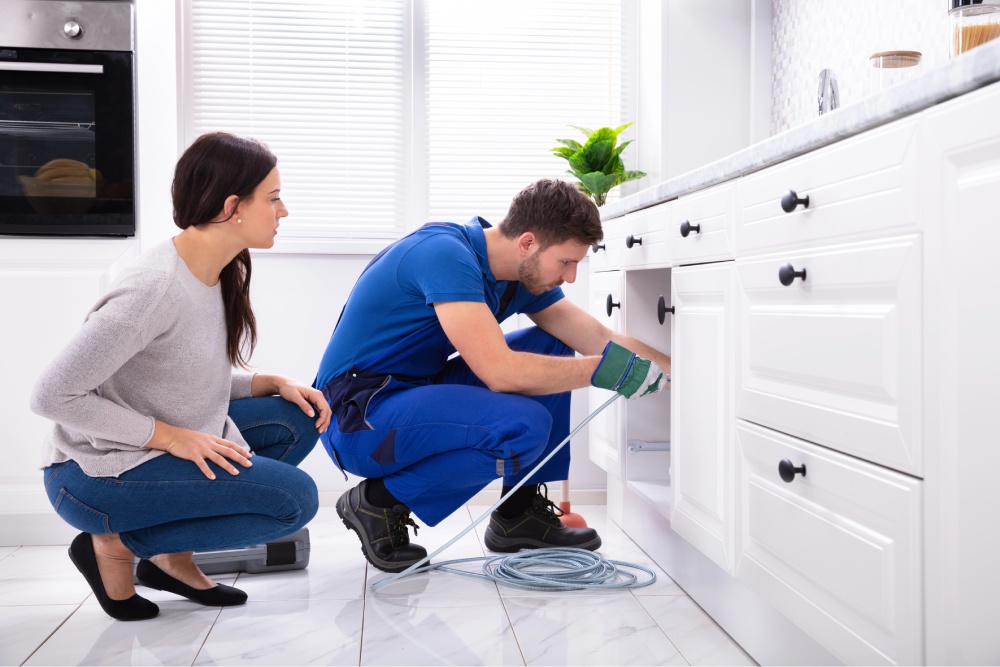
Professional plumbers remove blockages mechanically instead of relying solely on chemical reactions. A spinning metal cable breaks apart hair, grease, and roots, clearing the full pipe width.
High-pressure water jets scrub interior walls, removing old layers of buildup. This leaves pipes smooth so new debris cannot cling. Technicians use small waterproof cameras to confirm the results and ensure the line is fully clear.
Understanding “How does drain cleaner work?” helps homeowners see the limits of chemical solutions compared to professional methods.
Signs Drain Cleaners Are Not Enough for Clogs
- Multiple Drains: When water rises in both the tub and sink at the same time, a deep clog exists far from the home. Chemicals cannot reach this far down the sewer line.
- Foul Smells: Persistent rotten odors from the kitchen or bathroom drains indicate trapped food or slime buildup. Liquid cleaners cannot remove these layers completely.
- Slow Draining: Water that sits in the basin for a long time indicates a very dense or hard clog. The liquid cleaner might only poke a tiny hole through the mess without clearing the path. Constant slow flow means the pipe diameter has become very small.
- Gurgling Noises: Strange sounds from the toilet or the floor drain show that air cannot move through the pipes. This bubbling means a thick object blocks the vent or the main line completely. Persistent noise points to a mechanical issue that liquids will never fix.
Call 911 Drain Lines Now for Fast Answers and Real Solutions to Stubborn Drain Problems
If you wonder “How does drain cleaner work?” and want safe results, our team responds fast with proven tools.
We handle homes and businesses across Orange County with emergency drain cleaning, sewer inspections, and trenchless line replacements. Our licensed plumbers use modern equipment and clear steps, offering professional drain cleaning services in California when backups disrupt daily routines.
We stay available day and night, keeping response times short while costs stay fair for local families. Our crew includes engineers and general contractors, so wall or floor access happens without extra vendors or delays. That full-service approach lets us finish cleaning, repairs, and restoration under one roof for smoother results.
When store products fail, call us as a local drain cleaning expert in CA who clears lines completely. Contact 911 Drain Lines today to book service, request help online, or call now for immediate assistance.