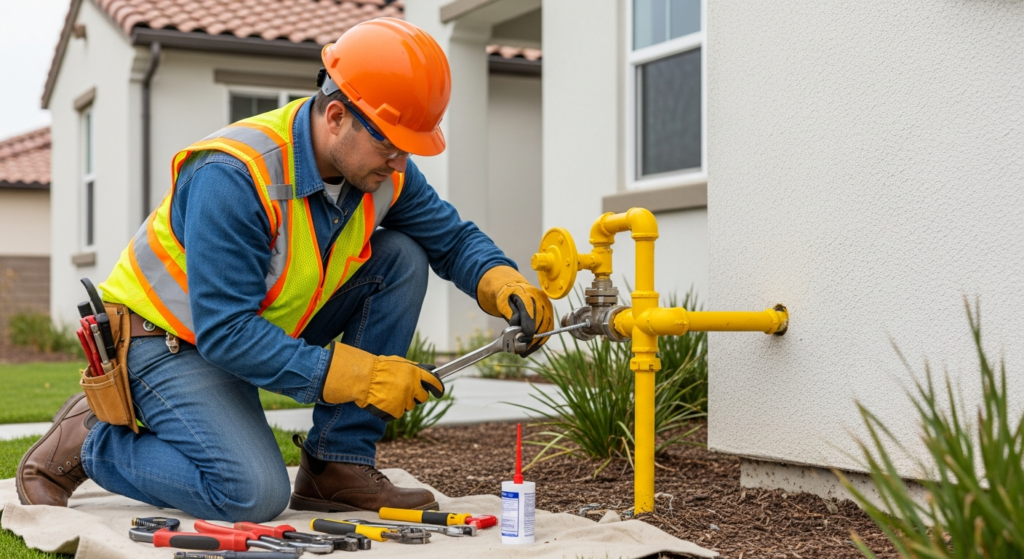




Gas line problems are not something homeowners can ignore. A damaged, corroded, or leaking gas line poses serious safety risks including fire, explosions, and carbon monoxide poisoning. Understanding gas line repair costs upfront helps you budget for this essential service and avoid being caught off guard during an emergency.
This guide breaks down what Orange County homeowners can expect to pay for gas line repair and replacement, the factors that affect pricing, and how to know when it is time to call a professional.
Average Gas Line Repair Costs
Gas line repair costs vary widely depending on the type of repair, the length of pipe involved, and whether the line is accessible or buried underground. Here is a breakdown of typical costs:
Minor Repairs
Small fixes like tightening connections, replacing fittings, or repairing a short section of exposed pipe typically cost $150 to $400. These are the most common gas line repairs and can usually be completed in one to two hours.
Moderate Repairs
Repairs that involve replacing a section of gas pipe, fixing a leak in a wall or crawl space, or rerouting a short run of pipe generally cost $400 to $1,200. These jobs require more time, materials, and may involve cutting into drywall or flooring.
Major Repairs and Full Replacement
Replacing an entire gas line from the meter to the home, repiping multiple gas lines, or replacing underground gas lines typically costs $1,500 to $5,000 or more. Major projects involving trenching, permits, and inspections fall at the higher end of this range.
Gas Leak Detection
Professional gas leak detection typically costs $100 to $350. This service uses electronic detection equipment to pinpoint the exact location of a leak without unnecessary excavation. Some plumbers waive the detection fee if you proceed with the repair.
Factors That Affect Gas Line Repair Cost
No two gas line repairs are identical. Several factors determine your final cost:
Location and Accessibility
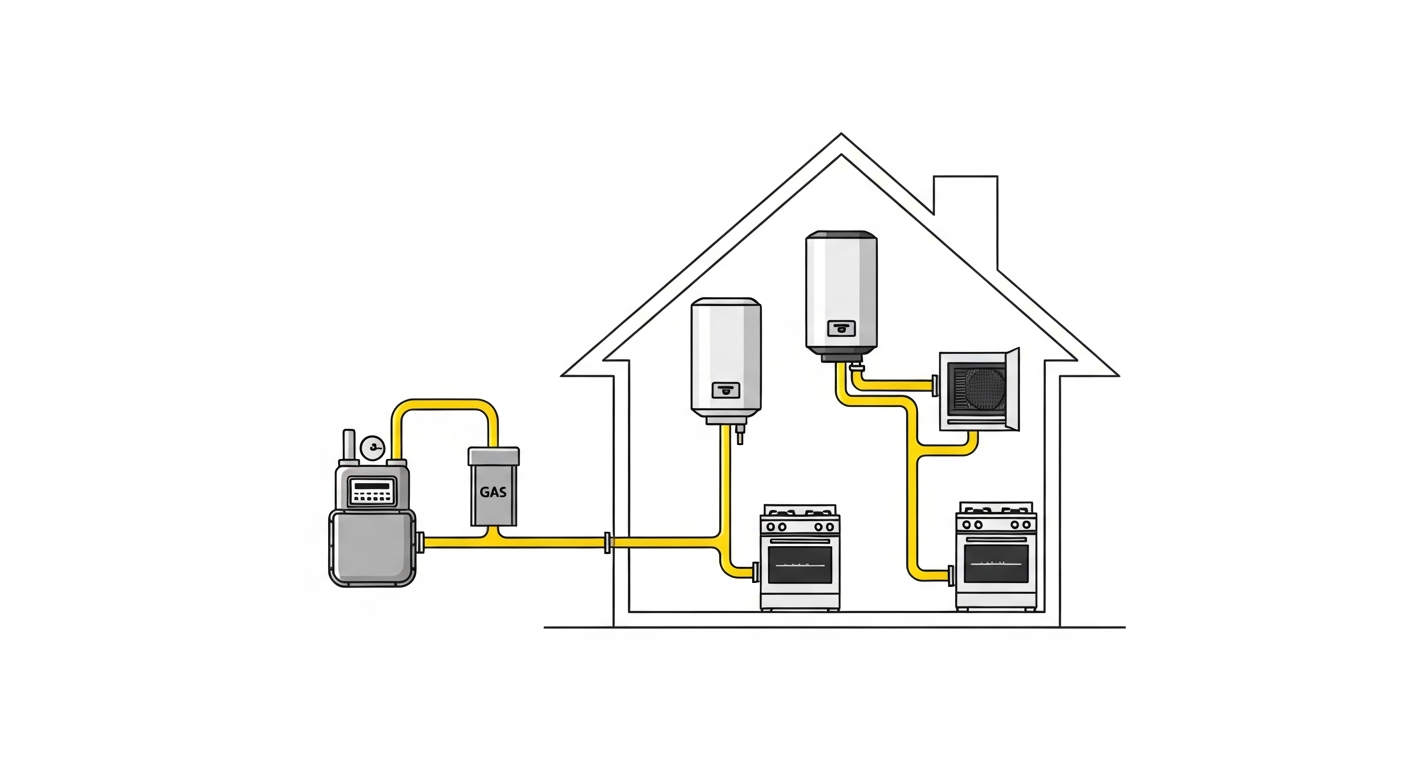
Gas lines behind walls, under concrete slabs, or buried underground are significantly more expensive to repair than exposed lines in a garage or utility room. Underground repairs may require trenching, which adds labor and restoration costs.
Length of Pipe
Replacing a 10-foot section of gas pipe costs far less than running a new 50-foot line from the meter to a back patio gas appliance. Pipe material (black iron, CSST flex, or copper) also affects the per-foot cost.
Permits and Inspections
Most gas line repairs and all gas line replacements in Orange County require a permit from the local building department. Permit costs range from $75 to $300. A pressure test and inspection by the city is required before the gas company reconnects service.
Emergency vs. Scheduled Service
Emergency gas line repairs (evenings, weekends, or holidays) typically cost 25% to 50% more than scheduled service. If you smell gas, call your gas company and 911 immediately, then schedule the repair.
Gas Line Material
Older homes may have galvanized steel or copper gas lines that are more expensive to work with. Modern installations typically use black iron pipe or corrugated stainless steel tubing (CSST), which can be faster and less expensive to install.
Signs You Need Gas Line Repair
Gas leaks can be subtle. Watch for these warning signs:
- Rotten egg or sulfur smell near gas appliances or along the gas line path. Natural gas is odorless, but the utility company adds mercaptan (a sulfur compound) so you can detect leaks.
- Hissing or whistling sounds near gas pipes or connections.
- Dead vegetation in a line pattern in your yard, which can indicate an underground gas leak killing plants.
- Higher-than-normal gas bills without increased usage.
- Pilot lights that keep going out on your water heater, furnace, or stove.
- Visible corrosion or damage on exposed gas pipes.
- Bubbles in standing water near the gas line path.
Gas Line Repair vs. Replacement
Not every gas line issue requires a full replacement. Here is how to determine which approach makes sense:
Repair Makes Sense When:
- The leak is at a single connection or fitting
- The pipe is in good overall condition with an isolated problem
- The gas line is relatively new (less than 25 years old)
- The repair area is easily accessible
Replacement Is Better When:
- The pipe material is corroded throughout (common in galvanized steel)
- Multiple leaks have occurred in the same line
- The gas line is more than 40 years old
- You are adding new gas appliances and need larger capacity
- Code violations exist in the current installation
New Gas Line Installation Costs
If you are adding a new gas appliance (outdoor grill, pool heater, fire pit, or generator), you will need a new gas line run from an existing line or the meter. Typical costs include:
- Gas line to outdoor kitchen or grill: $300 to $800
- Gas line to pool or spa heater: $500 to $1,500
- Gas line to fire pit: $300 to $1,200
- Gas line to standby generator: $500 to $2,000
- Full home gas repiping: $2,000 to $7,000
Why You Should Never DIY Gas Line Repair
Gas line work is not a DIY project. Here is why:
- Safety: Improperly repaired gas lines can cause explosions, fires, and carbon monoxide poisoning.
- Legal requirements: California law requires gas line work to be performed by a licensed plumber or contractor with the appropriate C-36 (plumbing) classification.
- Insurance: DIY gas line work can void your homeowner’s insurance coverage.
- Permits: Gas line repairs require permits and inspections that only licensed contractors can pull.
Frequently Asked Questions
How long does a gas line repair take?
Most minor gas line repairs are completed in 1 to 3 hours. Moderate repairs involving pipe replacement take 3 to 6 hours. Full gas line replacement can take 1 to 3 days depending on the scope and whether trenching is required.
Does homeowner’s insurance cover gas line repair?
Standard homeowner’s insurance typically covers gas line damage caused by sudden, accidental events (like a tree falling on the line). It usually does not cover gradual wear, corrosion, or damage caused by lack of maintenance. Check with your insurance provider for specifics.
How often should gas lines be inspected?
The National Fire Protection Association recommends having gas lines professionally inspected at least once every two years. Homes with gas lines older than 25 years should be inspected annually. Your gas utility company also performs periodic inspections at the meter.
What should I do if I smell gas in my home?
Leave the house immediately without turning on or off any electrical switches or appliances. Do not use your phone inside the home. Once outside and at a safe distance, call 911 and your gas utility company. Do not re-enter until cleared by the fire department.
Get a Gas Line Repair Estimate
If you suspect a gas leak or need gas line repair, do not delay. 911 Drain Lines and Plumbing provides 24/7 gas line repair and replacement services across Orange County and the Inland Empire. Our licensed plumbers (C-36 classification) use electronic leak detection to diagnose problems quickly and provide upfront pricing before any work begins. For expert help, contact our residential plumbing services team.
Related: 24/7 Emergency Plumber
Contact us or call for a same-day gas line inspection and repair estimate.