



It’s the big question every homeowner faces when their system starts to fail: should you repair it or replace it? Investing in a repair can feel like a smart, budget-friendly move, but what if it’s just a temporary fix for a unit that’s on its last legs? On the other hand, a full replacement is a significant upfront cost. Making the right choice comes down to understanding a few key factors, including the age of your unit, the cost of the fix, and its overall performance. We’ll break down the pros and cons of each option to help you make a confident, cost-effective decision for your home and find the right service for water heater repair Inland Empire.
Key Takeaways
- Pay attention to the warning signs: Noises, leaks, and inconsistent temperatures are your water heater’s way of asking for help. Before calling a pro, check simple things like the power supply and thermostat settings for a potential quick fix.
- Know when to repair versus replace: A repair makes sense for newer units with isolated issues. However, consider a replacement if your heater is over ten years old, requires frequent fixes, or shows any signs of rust, as this indicates the tank is failing.
- Prioritize annual maintenance to extend its life: Simple, proactive care is the key to avoiding surprise breakdowns. Scheduling a yearly flush to remove sediment and an inspection of the anode rod will help your water heater run efficiently and last significantly longer.
Is Your Water Heater Acting Up? 5 Telltale Signs
Your water heater is one of those home appliances that works silently in the background, until it doesn’t. When it starts to fail, it usually sends out a few warning signals first. Paying attention to these signs can help you catch a small problem before it turns into a major, floor-soaking emergency. If you notice any of these five telltale signs, it’s a good idea to have a professional take a look. Ignoring them could lead to more expensive damage or leave you without hot water when you need it most. Let’s walk through what you should be looking and listening for.
No Hot Water (or Just Lukewarm)
This is the most obvious sign that something is wrong. You turn on the shower expecting a steamy stream, but instead, you get a blast of cold or lukewarm water. If there’s no hot water at all, the issue could be a tripped circuit breaker for an electric model or an extinguished pilot light for a gas one. If the water is only getting slightly warm, it might point to a failing heating element or a thermostat that isn’t working correctly. Whatever the cause, a lack of hot water is a clear signal that your system needs a professional diagnosis. A timely water heater repair can often solve the problem without needing a full replacement.
Rumbling, Popping, or Whining Noises
Your water heater should operate almost silently. If you start hearing strange noises like rumbling, popping, or high-pitched whining, it’s often a sign of sediment buildup inside the tank. Over time, minerals from the water settle at the bottom, creating a thick layer. This sediment traps water underneath it, which then boils and creates steam bubbles that cause the popping sounds. This process not only makes your heater less efficient (and more expensive to run) but also puts stress on the tank itself, which can lead to cracks and leaks. These noises are your heater’s way of asking for help, so don’t ignore them.
Water Temperature That Goes Hot and Cold
Is your shower temperature all over the place? One minute it’s scalding hot, and the next it’s uncomfortably cool. This frustrating inconsistency is more than just an annoyance; it’s a symptom of a problem within your water heater. Fluctuating temperatures often point to a faulty thermostat that can no longer regulate the heating cycle properly. It could also be a broken dip tube, which is supposed to direct incoming cold water to the bottom of the tank for heating. When the dip tube fails, cold water mixes with the hot water at the top, creating that unpredictable temperature swing.
Rusty or Murky Water
If you turn on the hot water tap and see discolored, rusty, or murky water, it’s a major red flag. This usually means the inside of your water heater tank is corroding. Your tank has a component called an anode rod, which is designed to attract corrosive elements and sacrifice itself to protect the tank lining. Once the anode rod is completely used up, the tank itself begins to rust from the inside out. This not only affects your water quality but also weakens the structural integrity of the tank, making a leak or burst much more likely. This is a serious issue that requires immediate attention from a residential plumbing services expert.
Puddles or Leaks Around the Tank
Finding water pooling around the base of your water heater is never a good sign. While the cause could be as simple as a loose connection or a leaking pressure relief valve, it often indicates a more serious problem: a crack in the tank itself. A crack in the internal tank is unfortunately not something that can be repaired. The constant pressure and temperature changes will only make it worse over time, leading to significant water damage in your home. If you see any moisture or active leaking, it’s crucial to contact us for an emergency inspection to prevent a potential flood.
What’s Wrong With My Water Heater? Common Issues Explained
Those strange noises and puddles aren’t just random quirks; they’re your water heater’s way of telling you something is wrong. Understanding what these signs mean can help you figure out your next steps. Here are five of the most common culprits behind a misbehaving water heater.
Sediment Buildup
If your water heater sounds like it’s making popcorn, you’re likely dealing with sediment buildup. Over time, minerals from our local water supply, like calcium and magnesium, can settle at the bottom of the tank. This creates a thick layer that insulates the water from the heating mechanism. As the burner or element tries to heat the water, it has to work through this mineral layer, causing those popping and rumbling sounds. This not only makes your heater less efficient, driving up energy bills, but it can also cause the tank to overheat and deteriorate faster. A professional water heater repair service can flush the tank to remove the buildup.
A Faulty Thermostat
Is your shower water suddenly fluctuating between scalding hot and uncomfortably cool? The problem might be a faulty thermostat. The thermostat acts as the brain of your water heater, telling it when to start and stop heating to maintain a consistent temperature. When it begins to fail, it can’t accurately read the water temperature, leading to unpredictable results. You might get lukewarm water, or it could become dangerously hot. Since this involves electrical components, it’s a job best left to a qualified technician who can safely test and replace the thermostat, getting your hot water back to a reliable and safe temperature.
Failing Heating Elements
Waking up to an ice-cold shower is a clear sign that a key component has given up. In an electric water heater, this is often due to a failing heating element. Most electric models have two elements, an upper and a lower, that work to heat the water inside the tank. If one burns out, you might notice you have less hot water than usual or that it doesn’t get as hot. If both fail, you’ll have no hot water at all. These elements work hard and eventually wear out. A professional can quickly test the elements for continuity and handle the residential plumbing services needed to replace them.
Pressure Relief Valve Problems
A puddle of water forming around the base of your tank is a major red flag that should never be ignored. Often, this leak comes from the temperature and pressure (T&P) relief valve. This is a critical safety feature designed to automatically open and release pressure if it builds up to dangerous levels inside the tank. If the valve is leaking, it could mean one of two things: either the valve itself is faulty, or there’s a serious pressure problem within your system. In either case, it’s a sign of a potentially hazardous situation that requires immediate professional attention to prevent a tank rupture.
Gas Supply or Pilot Light Issues
For those with a gas water heater, a lack of hot water often points to a problem with the fuel source. The issue could be as simple as an extinguished pilot light, which you may be able to relight by following the manufacturer’s instructions. However, if the pilot light won’t stay lit, it could indicate a faulty thermocouple or a problem with the gas valve. Since these issues involve your home’s gas system, safety is the top priority. It’s always best to call for professional gas line repair rather than attempting to fix it yourself.
DIY Troubleshooting: What to Check Before You Call
When your water heater starts acting up, your first instinct might be to panic. But before you pick up the phone, a few simple checks can help you identify the problem. Sometimes, it’s a quick fix you can handle yourself. Other times, these steps will confirm you need a professional, giving you more specific information to share when you call.
Safe First Steps for Homeowners
Your safety is always the top priority. If you see a significant amount of water pooling around your water heater, it’s best to call for help right away. The same goes for any signs of a gas leak, like a rotten egg smell. In that case, leave your home immediately and call your gas company, then a professional plumber. These are not DIY situations. For less urgent issues, like lukewarm water or strange noises, you can proceed with a few basic checks.
Check the Power and Thermostat
Sometimes the solution is simpler than you think. For an electric water heater, find your circuit breaker and make sure the switch for the water heater hasn’t been tripped. For a gas model, check that the pilot light is lit. Next, look at the thermostat dial on the tank. It should be set to around 120-125°F. A setting that’s too high can be a scalding risk, while one that’s too low will leave you with lukewarm showers.
Look for Obvious Leaks
Take a close look at the tank and the surrounding area. Inspect the pipes and valves connected to the unit for any drips or moisture. You should also check the floor for puddles, water stains, or rust. A small, slow leak can cause serious water damage over time, so catching it early is key. If you find any evidence of a leak, it’s a clear sign you need professional water heater repair to prevent further problems.
Know When to Call a Professional
If you’ve checked the power, thermostat, and for leaks, but the problem continues, it’s time to call in an expert. Issues like faulty heating elements, sediment buildup, or a malfunctioning pressure relief valve require specialized tools and knowledge. Trying to fix these yourself can be dangerous and may lead to bigger, more expensive problems. A licensed and insured technician can accurately diagnose the issue and perform a safe, effective repair. When you’re ready, you can contact us 24/7 for help.
How Repairs Differ by Water Heater Type
Not all water heaters are created equal, and the right repair strategy depends entirely on the type of system you have in your home. Think of it like taking your car to a mechanic; a technician needs to know if they’re working on a standard sedan, a hybrid, or an electric vehicle to diagnose the problem correctly. The same principle applies to your water heater. The most common types found in homes today are traditional storage tank heaters, modern tankless models, and energy-efficient heat pump (or hybrid) units. Each one has a unique design, a different set of common problems, and specific repair needs.
Understanding which type you have is the first step toward a solution. A traditional tank heater might have issues with sediment buildup or a failing heating element, while a tankless unit could be struggling with mineral scaling that restricts water flow. Heat pump models add another layer of complexity, combining standard plumbing with refrigeration technology. On top of that, you have to consider the fuel source, as the approach for a gas line issue is completely different from fixing a faulty electrical connection. Knowing these distinctions will help you have a more informed conversation with a professional and better understand the path to getting your hot water running again.
Fixing Traditional Tank Heaters
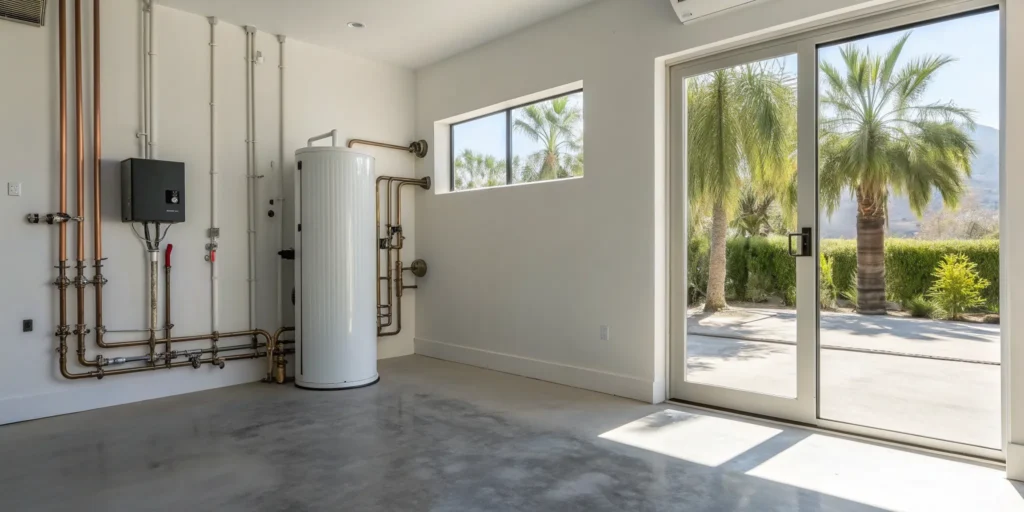
Traditional tank heaters are the workhorses you see in most garages and utility closets. When it comes to repairs, there’s one golden rule: if the tank itself is leaking, it’s time for a replacement. Unfortunately, a corroded tank can’t be patched up. However, many other common problems are entirely fixable. If you’re dealing with a lack of hot water, the culprit is often a faulty part like a burnt-out heating element (in electric models) or a malfunctioning thermostat. These components can be replaced without needing to install a whole new unit, saving you significant time and money. A professional water heater repair service can quickly diagnose the issue and get your system back in working order.
Servicing Tankless Water Heaters
Tankless water heaters are fantastic for their energy efficiency and on-demand hot water, but they come with their own set of maintenance needs. Since they don’t store water, you won’t have to worry about a tank leak. Instead, the most common issue is mineral buildup, or scaling, inside the unit’s narrow pipes. This is especially true in areas with hard water. Scaling can restrict water flow and reduce efficiency, requiring a professional descaling service to flush the system. If your tankless unit needs replacement rather than repair, understanding tankless water heater costs will help you budget for the upgrade. Other potential problems can involve the ignition system on gas models or a faulty flow sensor. Because of their complex electronics, servicing these units requires specialized knowledge to avoid causing further damage.
Repairing Heat Pump (Hybrid) Models
Heat pump water heaters, also known as hybrid models, are the most technologically advanced option. They work by pulling heat from the surrounding air and transferring it to the water in the tank. This process makes them incredibly energy-efficient, but it also makes them more complex to repair. A problem with a hybrid unit could stem from its plumbing components, just like a traditional heater, or it could be an issue with the heat pump system itself, which involves fans, evaporators, and compressors. Fixing these models often requires a technician with experience in both plumbing and HVAC systems. A qualified professional can not only perform the repair but may also help you find local rebates for these high-efficiency appliances.
Gas vs. Electric Heater Repairs
The fuel source of your water heater plays a huge role in how it’s repaired. For gas heaters, problems often trace back to the gas supply. A pilot light that won’t stay lit could be due to a faulty thermocouple, while issues with inconsistent heating might point to a problem with the gas control valve. These repairs require careful handling and a deep understanding of gas systems. Electric heaters, on the other hand, have simpler mechanics. Issues are almost always related to electrical components, like a bad thermostat, a tripped circuit breaker, or a failing heating element. While the average repair cost is around $600, this can change based on the specific part and local labor rates. For a clear diagnosis, it’s always best to contact us for a professional assessment.
Repair or Replace? How to Make the Right Choice
Deciding whether to fix your current water heater or invest in a new one can feel like a major financial crossroads. It’s not always a clear-cut choice, but by looking at a few key signs, you can figure out the most sensible path forward for your home and your budget. The right decision often comes down to the age of your unit, the nature of the problem, and how much you’re willing to spend now versus later.
The Case for Repairing
If your water heater is relatively new and has been reliable up to this point, a repair is often the smartest move. Many common issues are fixable without needing to replace the entire unit. You should consider a water heater repair if you notice things like lukewarm water, strange popping or rumbling sounds, or fluctuating temperatures. These symptoms often point to a specific failing part, such as a heating element or thermostat, which can be replaced. A professional can diagnose the problem and get your system back up and running, saving you the significant upfront cost of a brand-new heater.
The Case for Replacing
Sometimes, a repair is just a temporary fix for a unit that’s on its last legs. Replacement becomes the clear winner if your water heater is more than a decade old. Another red flag is when you find yourself spending a lot on frequent repairs. As a rule of thumb, if a repair costs about half as much as a new unit, it’s time to start shopping. The most definitive sign, however, is rust. If you see rust on the tank itself or in your hot water, it means the tank is corroding from the inside out and a leak is inevitable. At that point, replacement is your only option.
Key Factors: Age, Efficiency, and Performance
The age of your water heater is one of the biggest factors in this decision. Most traditional tank heaters last about 8 to 12 years, while tankless models can work well for up to 20 years with proper care. If your unit is approaching the end of its expected lifespan, replacing it proactively can save you from a sudden, messy failure. This is also a great time to think about efficiency. Modern water heaters, especially tankless ones, are far more energy-efficient and can significantly lower your monthly utility bills. If your old heater struggles to keep up with your family’s needs, upgrading can provide better performance and long-term savings.
Comparing the Costs
Let’s talk numbers. The average water heater repair can run several hundred dollars, depending on the specific part and labor involved. While that’s not a small amount, it’s much less than the cost of a full replacement. However, if your tank is leaking, a repair isn’t possible, and you’ll have to replace it. A new unit is a bigger investment upfront, but it comes with a new warranty and the promise of higher efficiency, which saves you money over time. To get a clear picture of your options, it’s always best to get a professional quote for both the repair and a potential replacement.
Finding a Pro: What to Look for in a Repair Service
When your hot water goes out, your first instinct is to find someone to fix it fast. But choosing the right professional is about more than just speed. You want a technician who is qualified, trustworthy, and committed to keeping your home safe. Knowing what to look for can help you find a reliable partner for any plumbing issue, giving you confidence that the job will be done right the first time. Here are the key things to consider when you’re searching for a water heater repair service.
Licensed, Insured, and Ready for Emergencies
First things first, always confirm that any company you consider is licensed and insured. A license is your proof that their technicians are qualified and have met state requirements for their trade. Insurance protects you and your home from liability in the rare case of an accident on the job. Beyond these basics, look for a team that’s ready to respond when you need them most. Water heater problems don’t stick to a 9-to-5 schedule, so having access to 24/7 emergency water heater repair provides incredible peace of mind. You can rest easy knowing an expert is available anytime, day or night.
A Strong Local Reputation
A company with deep roots in the community often has a reputation to uphold. Look for a service provider that has been serving the Inland Empire for years and has positive feedback from your neighbors. These businesses understand the specific needs of local homes and are built on a foundation of trust and quality service. A strong local presence is a good indicator that the company is committed to its customers and stands behind its work. When you hire a team that’s invested in the community, you’re more likely to receive dedicated and reliable residential plumbing services from technicians who treat your home like their own.
Experience with Your Specific Model
Water heaters come in all shapes and sizes, including traditional tank, tankless, gas, electric, and hybrid models. The technician you hire should have direct experience working with your specific type of unit. Don’t hesitate to ask if they are familiar with your brand and model before they come out. A versatile plumber who works with everything from electric and natural gas to tankless water heaters will be able to diagnose the problem more accurately and perform the repair more efficiently. This expertise ensures they have the right tools and parts to get your hot water running again without unnecessary delays or guesswork.
A Clear Commitment to Safety
When it comes to appliances that use gas or high-voltage electricity, safety is non-negotiable. A professional service will always prioritize your safety by strictly following all local plumbing codes and regulations. This might involve getting permits and inspections for certain types of work, which is a critical step in ensuring the job is done correctly and safely. A company’s commitment to safety is also reflected in the guarantees they offer on their work. This is especially important for any service involving your home’s gas lines, where professional gas line repair is essential for preventing dangerous leaks.
Breaking Down the Cost of Water Heater Repair
When your water heater stops working, one of the first questions you probably have is, “How much is this going to cost?” It’s a fair question, and the answer depends on whether you need a simple fix or a full replacement. The final bill for a water heater repair can vary quite a bit based on the specific issue, the type of unit you have, and its age. Let’s walk through what you can expect so you can make an informed decision without any surprises.
Typical Costs for Common Repairs
On average, a water heater repair can cost around $600, but this is just a ballpark figure. A simple fix, like replacing a faulty thermostat or a heating element on an electric model, will be on the lower end of the spectrum. However, the cost can increase depending on the complexity of the job and the type of water heater in your home. Gas, electric, tank, and tankless models all have different parts and repair processes, which affects the final price. The best way to know for sure is to have a professional diagnose the specific problem.
What to Expect for a Full Replacement
If your water heater is between 8 and 12 years old or if you’ve spent about half the cost of a new unit on repairs in the last year, it’s probably time to consider a replacement. While the upfront cost is higher than a repair, installing a new, energy-efficient model can save you money on utility bills and prevent future emergency calls. A new unit gives you peace of mind and reliable hot water for years to come, making it a smart long-term investment for your home.
Factors That Influence the Final Price
Several key things determine the final price of a water heater installation. The model you choose is a big one; tankless heaters, for example, cost more initially but can reduce water heating costs significantly over time. The complexity of the installation also matters. If your new unit requires updated plumbing or new gas lines, that will add to the labor costs. Finally, some installations require a permit, which is another factor. Always ask for a clear, detailed estimate before work begins so you understand exactly what you’re paying for. You can always contact us for a transparent quote.
Protecting Your Investment: Warranties and Maintenance
A water heater is one of your home’s hardest-working appliances, and it’s a significant investment. Once you’ve had it repaired or replaced, you want to make sure it lasts. That’s where warranties and regular maintenance come in. Think of them as your game plan for getting the most out of your water heater and avoiding surprise breakdowns down the road. A little proactive care goes a long way in protecting your system and your budget.
Understanding Service Guarantees
When you hire a professional for a repair, you should get more than just a quick fix; you should get peace of mind. That’s what a service guarantee is all about. This warranty comes from the service company itself and covers their workmanship and the parts they install. If something goes wrong with the repair within the warranty period, they’ll come back and make it right. Always choose a company that offers warranty-backed water heater repair so you know they stand confidently behind their work. This guarantee is separate from the manufacturer’s warranty and protects your investment in the service you paid for.
What Your Manufacturer’s Warranty Covers
The warranty from the manufacturer covers the appliance itself. Typically, this includes the tank and specific parts for a set number of years. However, it’s important to know that most manufacturer warranties don’t cover the cost of labor for repairs or installation. Coverage can also vary between brands. Some brands are sold exclusively through plumbing professionals, which can sometimes streamline the warranty process if an issue arises. Take a few minutes to find and read your unit’s warranty so you understand exactly what’s covered. Knowing these details can save you from unexpected expenses if a part fails.
The Value of an Annual Maintenance Plan
Routine maintenance is the single best thing you can do to keep your home’s plumbing and heating systems in top condition. For your water heater, an annual check-up can prevent the most common problems, like sediment buildup that reduces efficiency and causes damage. A professional maintenance visit usually includes flushing the tank, inspecting the anode rod (which prevents rust), and checking for any signs of wear and tear. This simple yearly task helps your water heater run more efficiently, extends its lifespan, and catches small issues before they turn into expensive emergencies.
Ask About Available Discounts
Keeping your water heater in great shape doesn’t have to break the bank. Many service companies offer special deals or membership plans that make maintenance more affordable. These plans often include benefits like a free annual flush, safety inspections, and discounts on future repairs. It never hurts to ask what’s available. Before you book a service, be sure to inquire about any current promotions or maintenance packages. You can always contact us to learn about our latest offers and find a plan that works for your home and budget.
Simple Maintenance for a Longer-Lasting Water Heater
A little proactive care can make a huge difference in how well your water heater performs and how long it lasts. Instead of waiting for a cold shower to tell you something’s wrong, you can follow a few simple maintenance steps. These tips will help you save money on energy bills, avoid unexpected breakdowns, and get the most out of your investment. Think of it as a small-time commitment for long-term peace of mind.
Schedule an Annual Flush and Inspection
Our water here in the Inland Empire is known for being hard, which means it’s full of minerals. Over time, these minerals settle at the bottom of your water heater tank as sediment. This buildup forces your heater to work harder to heat the water, reducing its efficiency and lifespan. An annual flush clears out this sediment, keeping your unit running smoothly. During a professional inspection, a technician can also spot small issues before they become major headaches. Scheduling a yearly water heater repair and maintenance check is one of the smartest things you can do to protect your system and ensure you always have reliable hot water when you need it.
Set the Right Temperature for Our Climate
Most manufacturers set water heater thermostats to 140°F, but you rarely need it that high. Setting it to around 125°F is the sweet spot for most households. This simple adjustment does two important things: it saves you money on your energy bill and reduces the risk of scalding, which is especially important if you have kids or elderly family members at home. A lower temperature also slows the buildup of mineral deposits inside your tank. While you can often adjust this yourself, if you’re unsure where the thermostat is or how to change it safely, a professional can handle it during your annual maintenance visit. It’s an easy win for both safety and efficiency.
Check the Anode Rod
Inside your water heater tank is a hidden hero called the anode rod. Its job is to corrode so your tank doesn’t. This metal rod attracts corrosive elements in the water, essentially sacrificing itself to protect the steel tank from rusting out. Over a few years, the anode rod will completely dissolve. Once it’s gone, the tank itself starts to corrode, leading to leaks and total failure. Checking the anode rod every couple of years and replacing it when needed can double the life of your water heater. If you see rusty water, it’s a sign the rod is gone. This is a key part of our residential plumbing services inspection.
Proactive Care for a Longer Lifespan
A standard tank water heater typically lasts between 8 and 12 years, while tankless models can last up to 20 years. The key to reaching, and even exceeding, these lifespans is consistent maintenance. If your water heater is getting older and you find yourself calling for repairs more often, it might be time to consider a replacement. Investing in a new, energy-efficient model can save you from the hassle of constant fixes and lower your utility bills in the long run. If you’re not sure whether to repair or replace your unit, we can help you weigh the options. Feel free to contact us for an honest assessment of your system’s health and what makes the most sense for your home.
Frequently Asked Questions
How often should I really get my water heater serviced? For most water heaters, scheduling a professional check-up once a year is the best practice. This annual visit allows a technician to flush out mineral sediment, which is a common issue here, and inspect key parts like the anode rod. Think of it as preventative care; it helps your heater run more efficiently, extends its lifespan, and gives you a chance to catch small issues before they turn into a weekend emergency without hot water.
Is a rumbling or popping noise from my water heater a serious problem? While those sounds aren’t a sign of an imminent explosion, they are a serious warning that you shouldn’t ignore. The noise is typically caused by a thick layer of mineral sediment at the bottom of the tank, which forces the unit to work much harder to heat the water. This not only drives up your energy bills but also puts a lot of stress on the tank itself, which can eventually lead to cracks and leaks. It’s your heater’s way of telling you it needs to be professionally flushed.
My water heater is leaking. What should I do right now? The first thing to do is to prevent further water damage and ensure your safety. If you can do so safely, shut off the water supply to the tank; there should be a valve on the cold water pipe leading into it. Next, turn off the power. For an electric model, find the corresponding switch in your circuit breaker box. For a gas model, turn the switch on the unit to the “off” position. Once you’ve done that, call a 24/7 plumbing service for an emergency inspection.
Is it safe for me to try relighting the pilot light on my gas water heater? You can often relight the pilot light yourself by following the specific instructions printed on the water heater’s label. However, your safety is the top priority. If you smell gas (like rotten eggs) at any point, stop what you are doing, leave your home, and call your gas company immediately. If you follow the instructions and the pilot light won’t stay lit, it’s a sign of a different problem, like a faulty part, and you should call a professional for a gas line repair.
When does it make more sense to replace my water heater instead of just repairing it again? A good rule of thumb is to consider the heater’s age and the cost of the repair. If your tank heater is over 10 years old, replacement is often the smarter long-term investment. You should also lean toward replacement if you find yourself calling for frequent repairs or if a single repair costs about half as much as a new unit. The one non-negotiable sign is rust; if you see rusty water or corrosion on the tank itself, a leak is likely coming soon and replacement is your only safe option.