



When your sewer line is working properly, you never think about it. But when something goes wrong, it can turn into a messy, stressful problem fast—slow drains, backups, foul odors, or even soggy patches in the yard. The good news: most sewer line issues can be diagnosed quickly and fixed with the right approach—often without tearing up your landscaping.
At 911 Drain Lines and Plumbing, we help homeowners and businesses across Orange County (including Irvine, Newport Beach, Santa Ana, Anaheim, Anaheim Hills, Costa Mesa, Laguna Hills, Orange, Brea, and Fullerton) with sewer line repair and replacement, including modern trenchless options that minimize digging and disruption.
Below is a practical guide to help you understand the warning signs, common causes, and the best repair vs. replacement solutions.
Common Warning Signs of Sewer Line Problems
Sewer line issues usually give you clues before they become a full-blown emergency. Watch for these red flags:
- Multiple drains slow at the same time (sinks, tubs, toilets)
- Recurring clogs that keep coming back even after snaking
- Gurgling sounds from drains or toilets
- Foul sewer odors inside or outside the property
- Toilet backups or water level changes
- Wet spots or lush patches of grass in one area of the yard
- Sewer backup (the big one—needs immediate attention)
If you notice a combination of these symptoms, it’s often a sign the main sewer line has a blockage, break, or collapse—not just a small drain issue.
What Causes Sewer Line Damage?
Sewer lines are underground and out of sight, but they take a beating over time. The most common causes include:
1) Tree Root Intrusion
Roots naturally grow toward moisture. Tiny cracks or loose joints can invite roots in, which then expand and trap debris until the line blocks completely.
2) Aging or Corroded Pipes
Older homes may have sewer pipes made from materials that degrade over time. As pipes weaken, they can crack, scale up, or collapse.
3) Shifting Soil or Ground Movement
Soil expansion, settling, or minor ground movement can cause pipes to separate, belly (dip), or break.
4) Grease, Debris, and “Flushable” Products
Grease buildup, wipes, hygiene products, and paper towels can accumulate and create stubborn blockages that don’t fully clear without professional equipment.
Repair vs. Replacement: How to Choose the Right Fix
A lot of people ask: “Can it be repaired, or do I need a full replacement?”
The honest answer is: it depends on the pipe’s condition, the location of the damage, and how severe the problem is.
Sewer Line Repair Is Often Best When…
- The issue is isolated (a small crack, localized root intrusion, or partial blockage)
- The pipe structure is mostly intact
- A targeted fix will restore full function without recurring problems
911 Drain Lines uses advanced inspection tools to pinpoint the problem and recommend the least disruptive solution possible.
Sewer Line Replacement Makes More Sense When…
- The pipe is collapsed or severely broken
- There are multiple failing sections
- The line is too corroded or deteriorated for a lasting repair
- You’re dealing with chronic backups that keep returning
When replacement is needed, trenchless technology can often replace the line with far less digging than traditional methods.
The Fastest Way to Get Answers: Sewer Camera Inspection
Guesswork wastes time and money. A sewer camera inspection allows a technician to visually confirm what’s happening inside the pipe—blockages, cracks, corrosion, and root intrusion—without unnecessary digging.
This inspection is usually the first step toward a clear plan:
- Where is the issue located?
- How bad is the damage?
- Is repair enough—or is replacement smarter long-term?
Trenchless Sewer Line Solutions: Less Digging, Faster Results
Traditional sewer replacement can mean major excavation across the yard, driveway, or landscaping. Trenchless methods are designed to reduce that disruption.
Trenchless Sewer Replacement
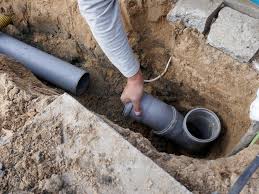
Trenchless replacement is a minimally invasive way to sewer repair or replace sewer lines while protecting your property from extensive excavation.
Trenchless Pipe Bursting
Pipe bursting is a method where the old pipe is broken apart while a new pipe is pulled into place—often a great option for older, failing sewer lines because it replaces the pipe fully without a long trench.
Benefits of trenchless options often include:
- Less landscape and concrete disruption
- Faster completion compared to full open-trench work
- Durable, long-term pipe materials
- Reduced restoration costs afterward
What to Expect During Sewer Line Repair or Replacement
Every job is different, but a typical process looks like this:
- Diagnosis (camera inspection + locating)
- Clear the line if needed (for example, hydro jetting to remove buildup before repair)
- Recommend the best fix (repair, lining/spot repair, or replacement)
- Complete the work (trenchless or traditional depending on the site)
- Final testing + clean work area
On many sewer repair projects, the timeline can be as quick as a day, while larger replacements may take longer depending on complexity and access.
Don’t Wait on Sewer Problems (They Rarely Improve on Their Own)
A minor sewer issue can become a major one quickly—especially if there’s a partial collapse, heavy root intrusion, or ongoing backups. If you’re seeing warning signs, the best move is to get a professional inspection and a clear plan before it turns into property damage or a health hazard.
911 Drain Lines and Plumbing provides 24/7 emergency sewer line repair throughout Orange County, with modern inspection tools and trenchless repair technology to reduce disruption.
Need Sewer Line Repair or Replacement in Orange County?
If your drains are backing up, you’re smelling sewer odors, or you suspect a sewer line break, We are ready to help—day or night. Call us now!